








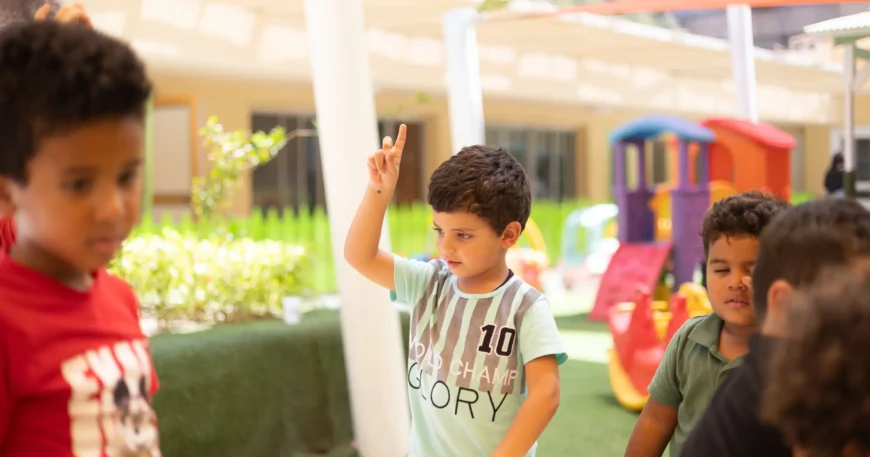
From the moment your baby stares intently at a moving mobile to the day your preschooler asks “why?” for the tenth time in a row, you are witnessing the magnificent engine of their mind at work. Cognitive development is the process of how children think, explore, and figure things out. It’s the foundation for all future learning, from reading their first book to solving complex math problems. At The Baby Academy®, with our nurturing nurseries in New Cairo, Maadi Degla, Mohandesein, and Heliopolis, we are dedicated to building confident, curious little thinkers. This article explores the key pillars of cognitive growth and how we intentionally cultivate them every day.
The Four Pillars of a Young Child’s Cognitive Development
Cognitive growth is a complex, interwoven process, but we can break it down into four key, measurable areas we focus on:
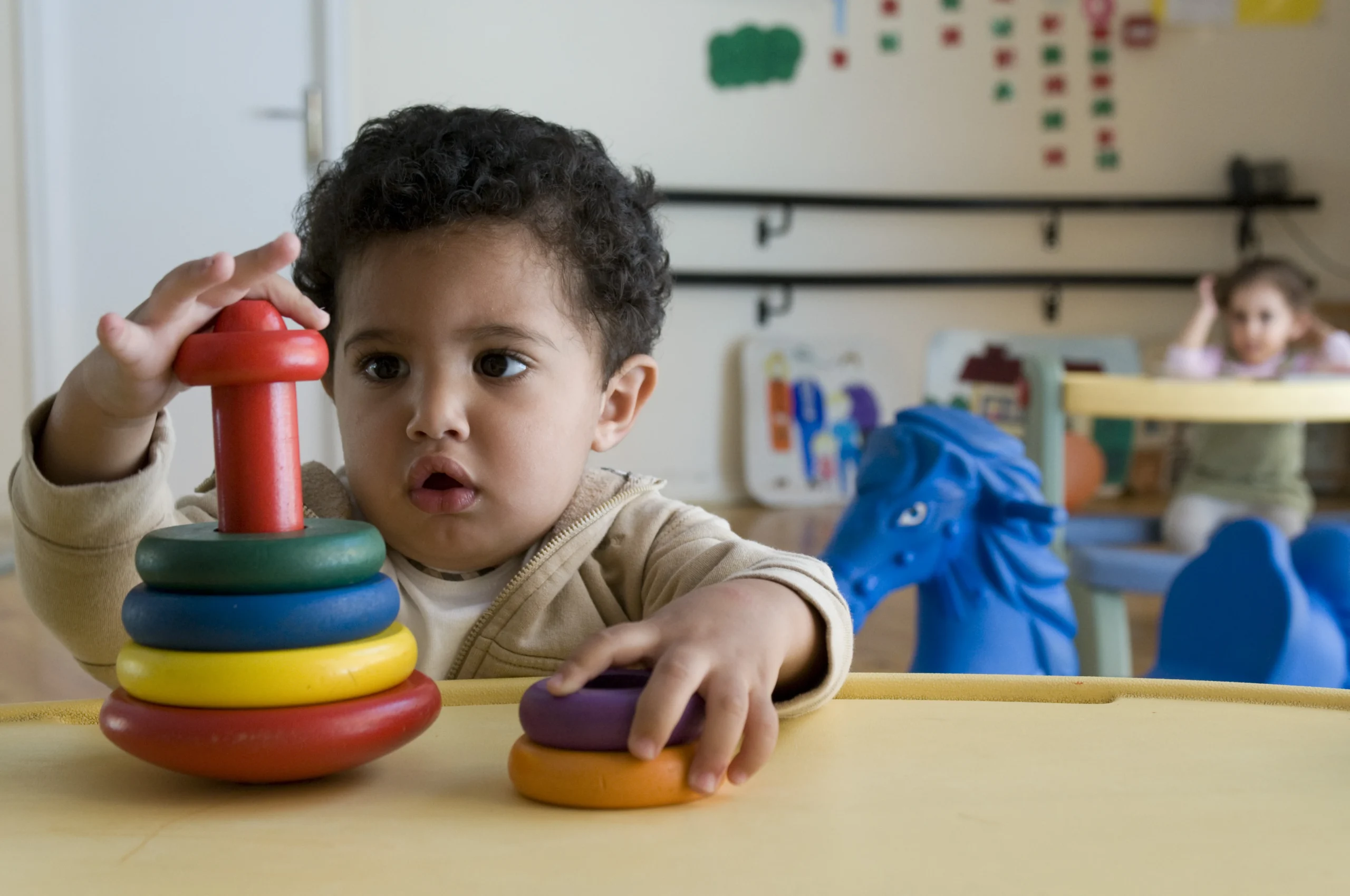
- Problem-Solving:This is the ability to overcome obstacles and achieve a goal. It starts when an infant figures out how to reach a toy just out of grasp and evolves into a preschooler negotiating who gets to use the blue crayon first.
- Memory & Recall:Memory is the filing cabinet of the mind. It allows children to retain and retrieve information, from remembering where their favorite book is kept to recalling the sequence of a daily routine.
- Critical Thinking:This goes beyond simple recall. It’s the ability to analyze, evaluate, and create. It’s when a child predicts what will happen next in a story, compares two objects, or forms their own opinion.
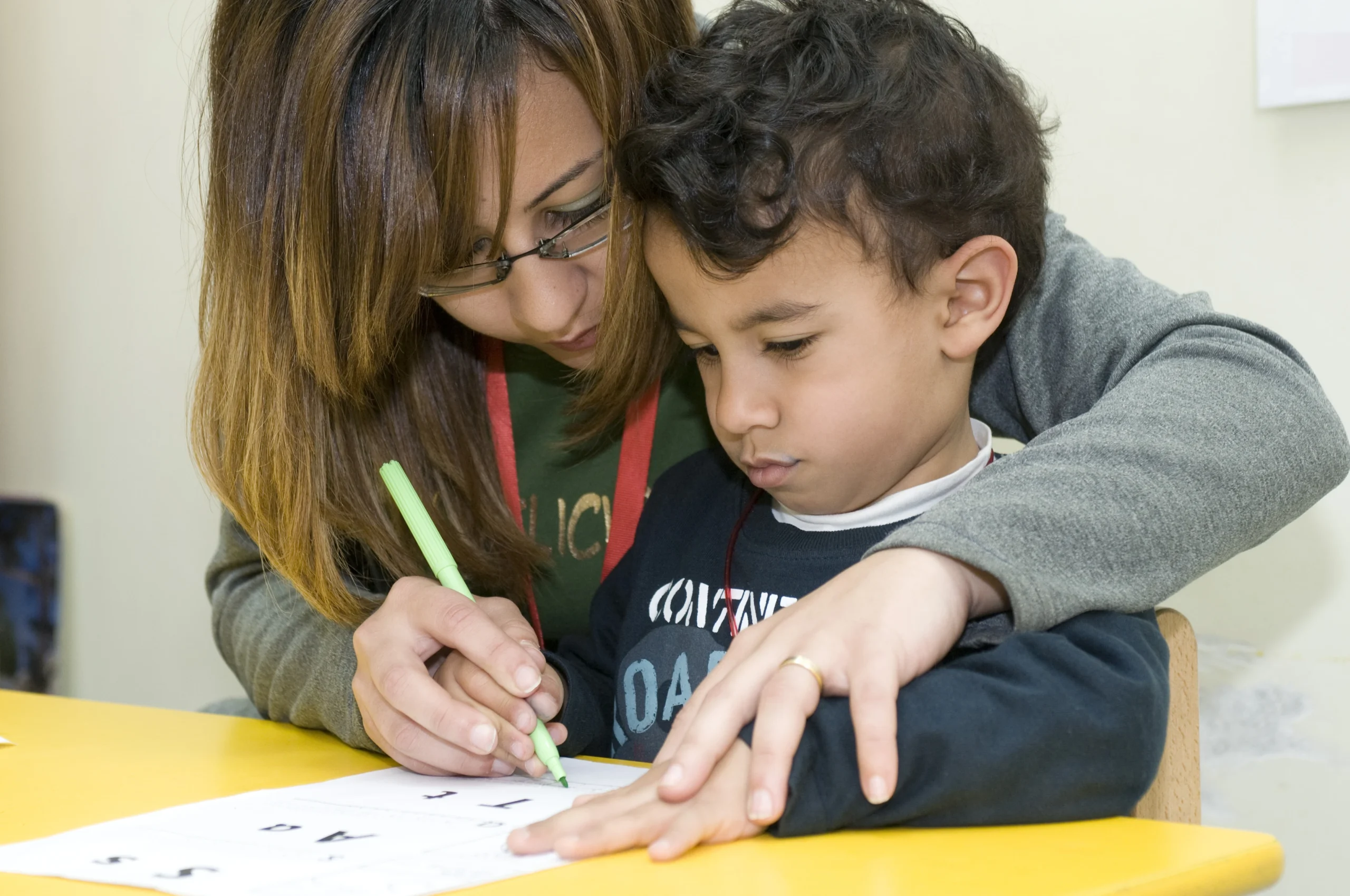
- Early Literacy & Numeracy:These are the essential building blocks for academic success. Literacy isn’t just reading; it’s loving books, recognizing letters, and understanding that text has meaning. Numeracy isn’t just counting; it’s understanding quantity, recognizing patterns, and grasping concepts like “more” and “less.”
The Baby Academy®’s Cognitive Curriculum: Thinking Made Tangible
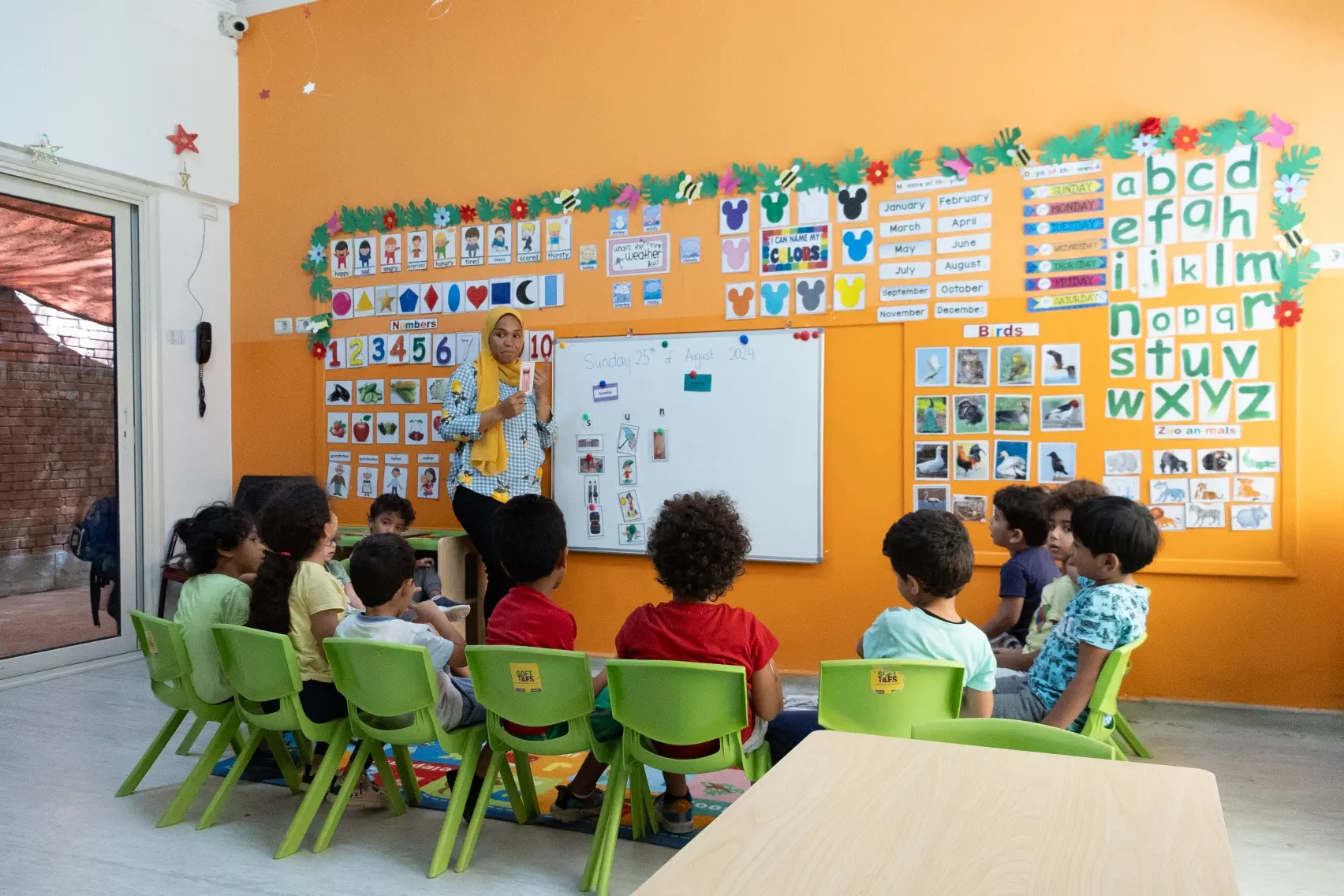
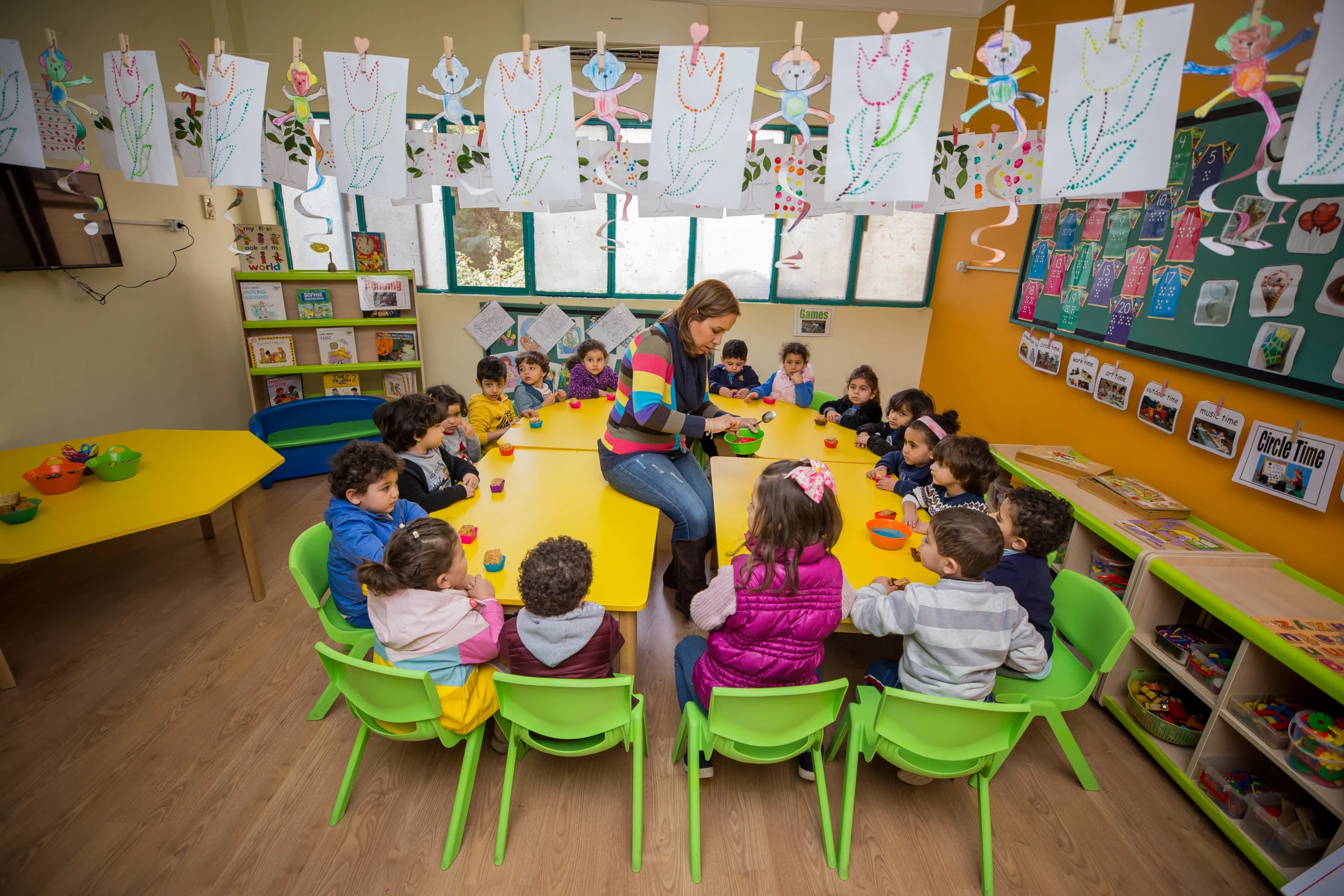
We believe that cognitive skills aren’t taught through worksheets; they are discovered through purposeful play and guided exploration. Across all our branches in Cairo, our environments are designed to be “thinking gyms.”
- Fostering Problem-Solving:
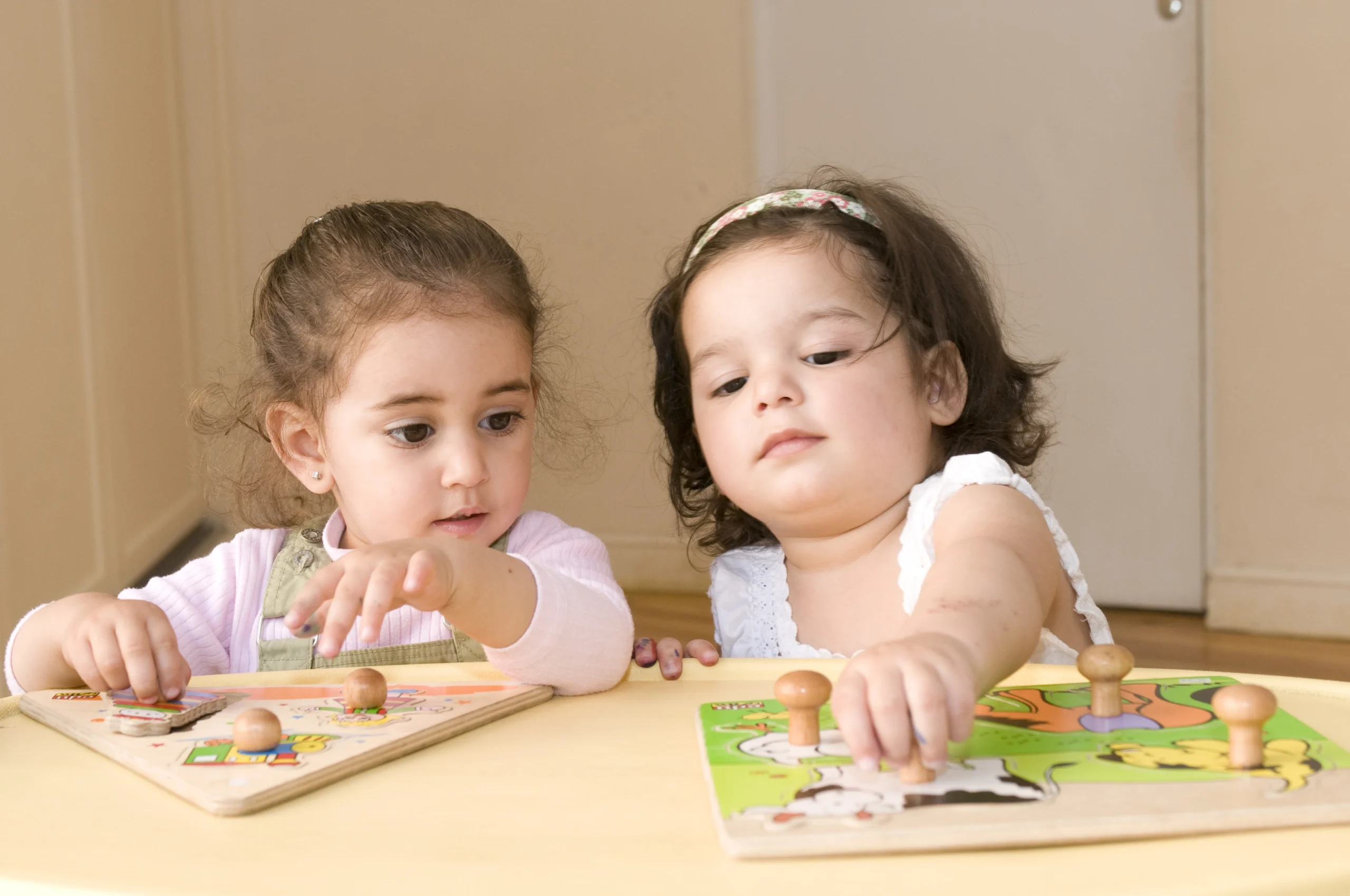
- The Power of Puzzles: We offer a progression of puzzles, from simple knobbed puzzles for toddlers to complex 24-piece puzzles for preschoolers, all requiring strategic thinking and spatial reasoning.
- “What Would You Do?” Scenarios: Our teachers present gentle challenges. “We have ten blocks but need to build a bridge for these toy cars. How can we do it?” This encourages trial, error, and innovative thinking.
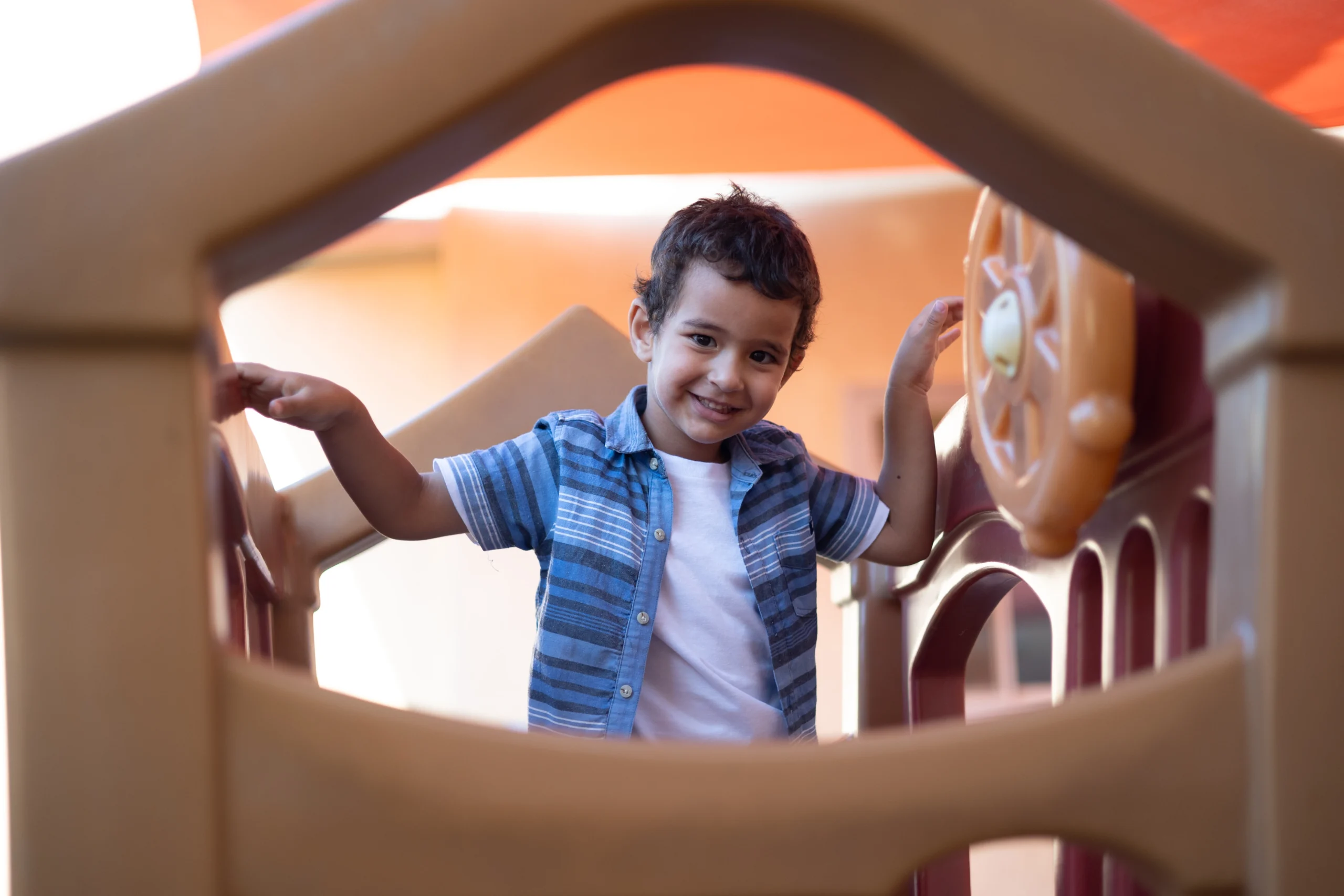
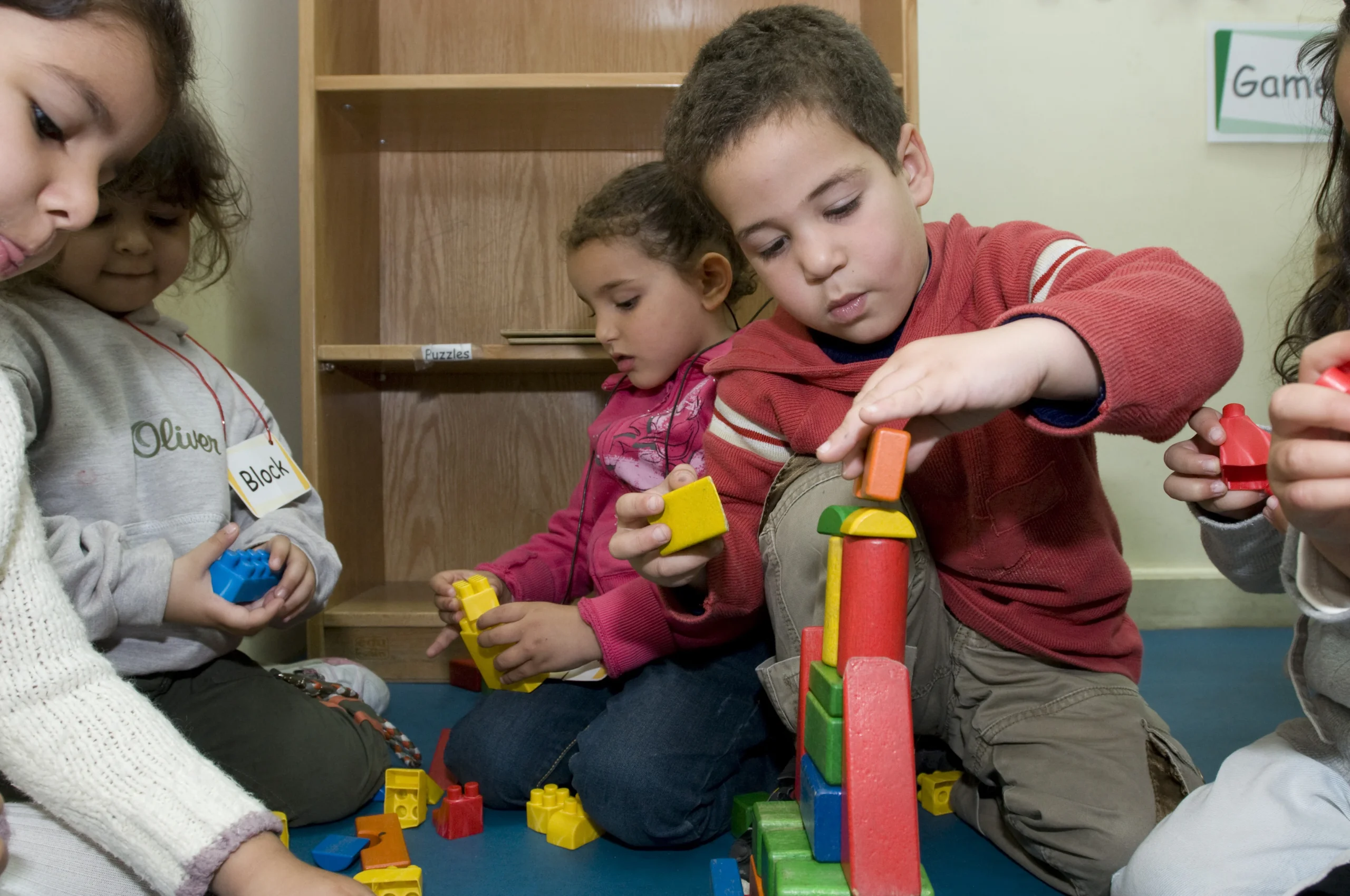
- Design & Build Stations: Our construction areas with blocks, Lego, and recycled materials are constant hubs of architectural problem-solving.
- Strengthening Memory & Recall:
- Memory Games: We play simple matching games with cards or objects, which are fantastic for boosting visual memory.
- Story Sequencing: After reading a book, we ask children to arrange picture cards in the order events happened, strengthening narrative recall and comprehension.
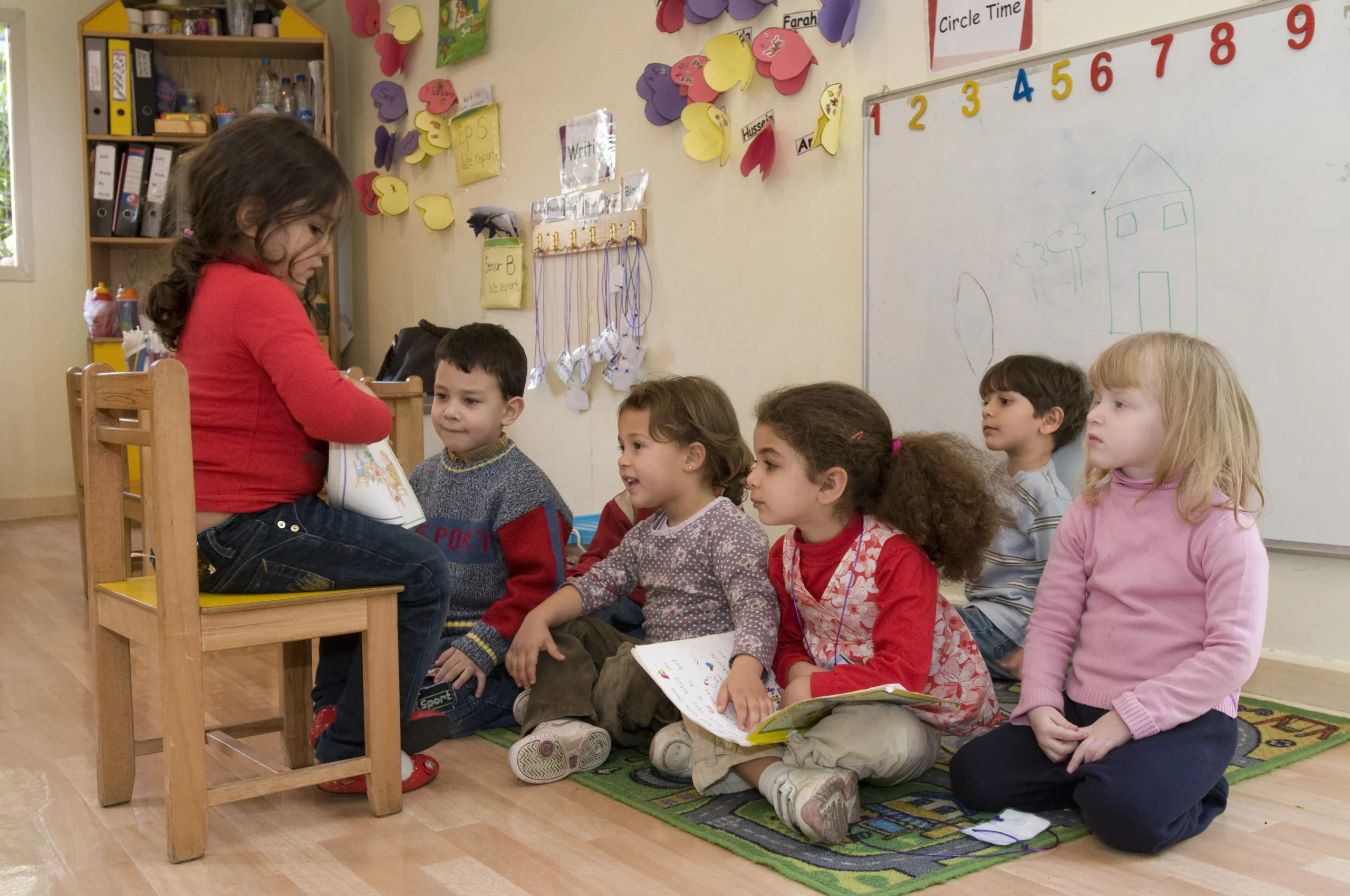
- Consistent Routines: The predictable flow of the day itself—circle time, then outdoor play, then lunch—helps children build a strong internal memory structure.
- Igniting Critical Thinking:
- Open-Ended Questions: Our educators are trained to ask questions that have no single right answer. Instead of “What color is this apple?” we ask, “How do you think this apple grew?” or “What would happen if we planted these seeds?”
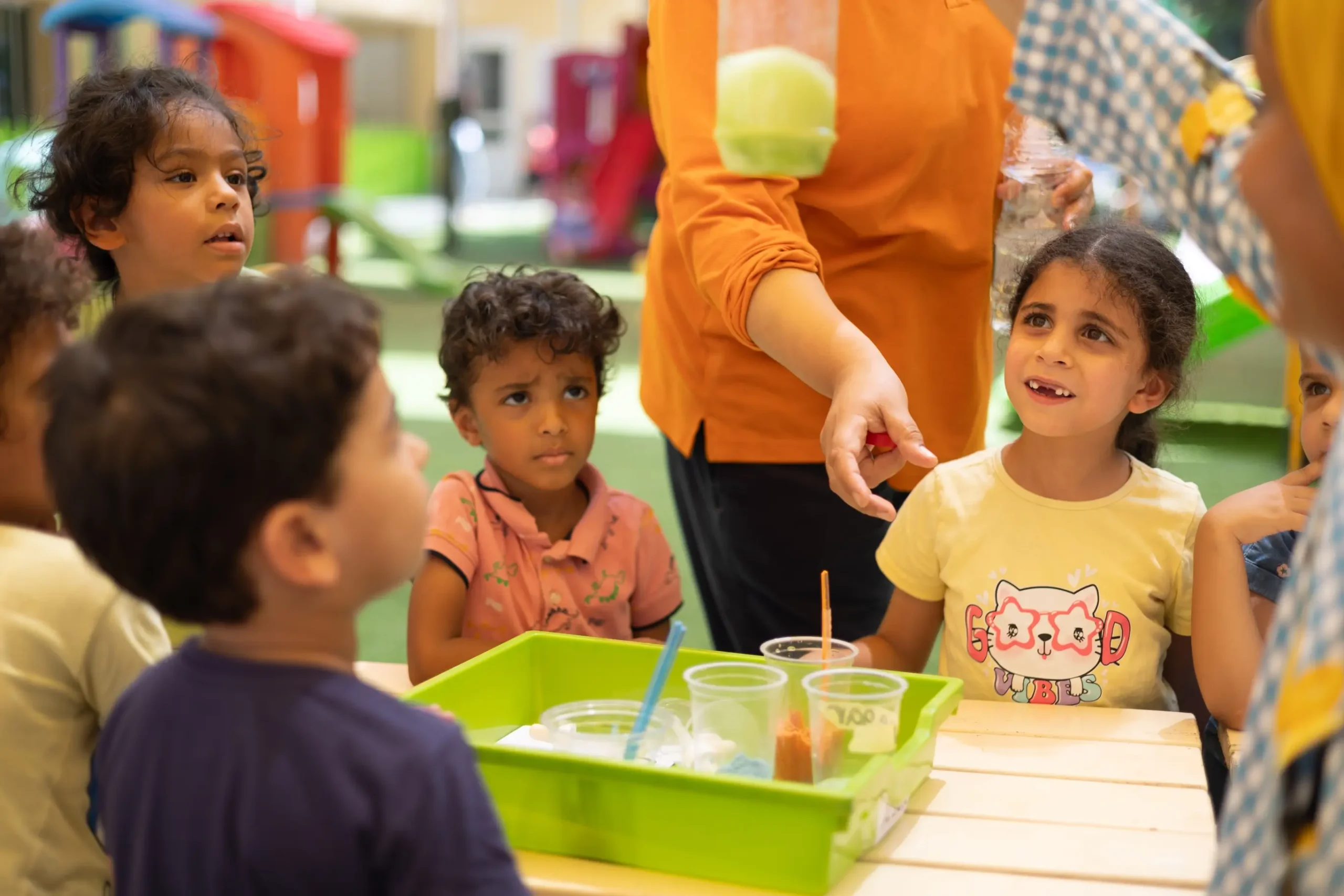
- Sink-or-Float Experiments: Simple science activities are a goldmine for critical thinking. Children make predictions, test their hypotheses, and observe cause-and-effect in a hands-on way.
- Classification Activities: We provide baskets of objects and encourage children to sort them—by color, size, type, or use. This teaches them to analyze attributes and find commonalities.
- Building Early Literacy & Numeracy:
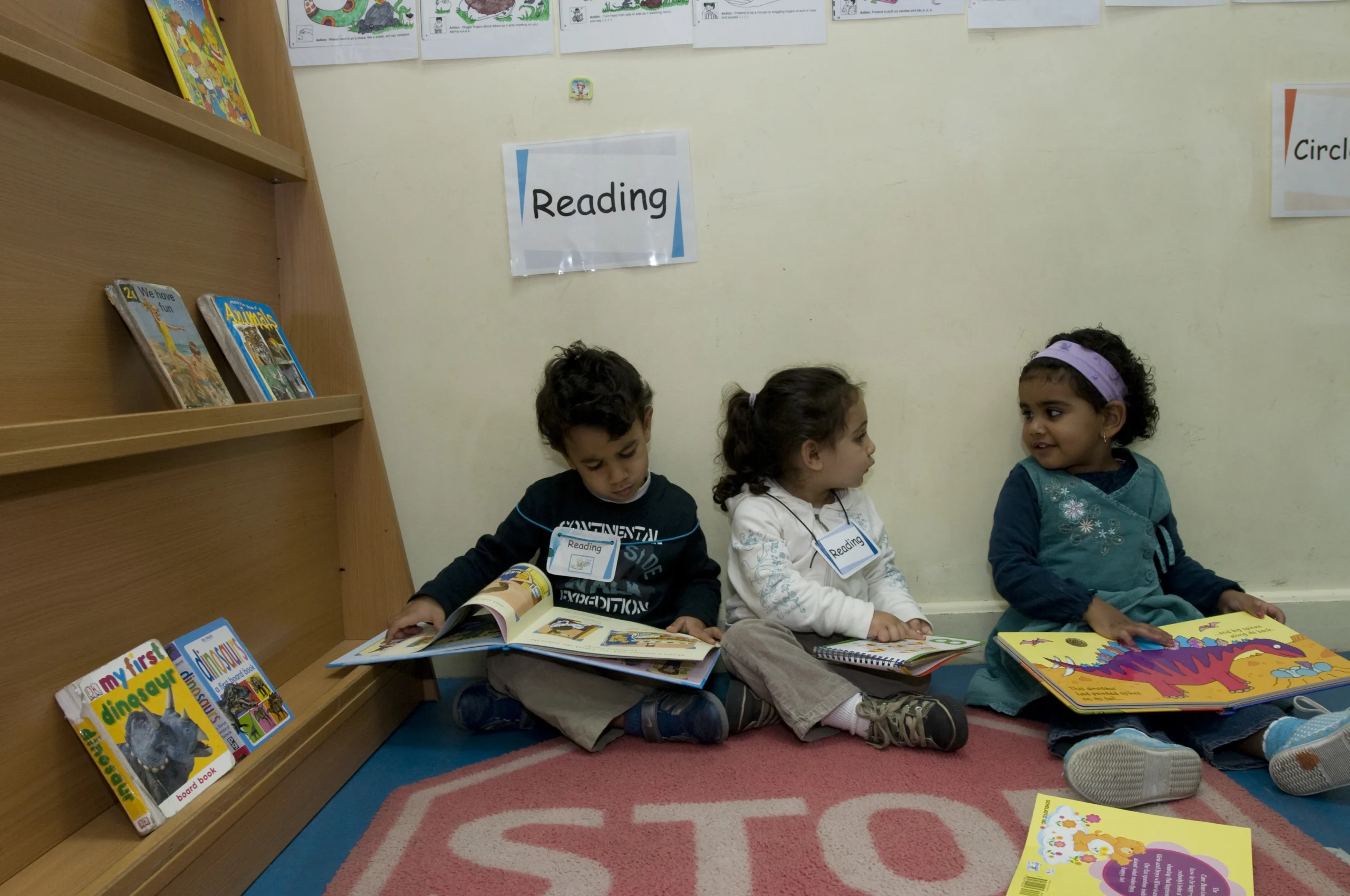
- A Print-Rich Environment: Our classrooms are labeled. The “Art Area” has a sign with a picture and the words. This helps children understand that print carries meaning.
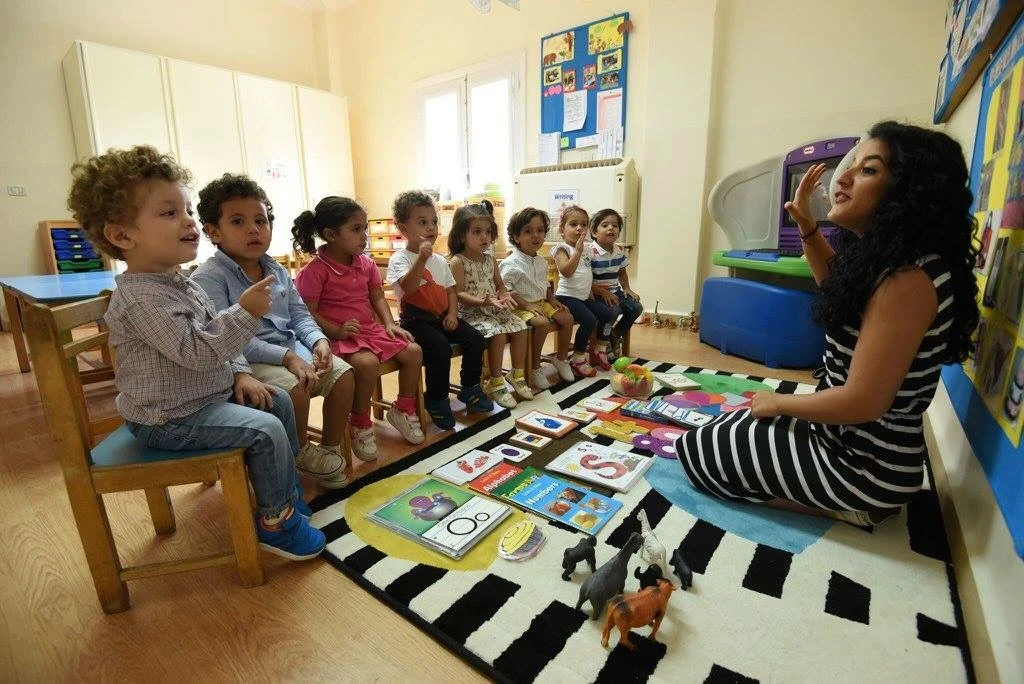
- Phonological Awareness Play: We sing rhyming songs, play with silly alliteration (“Silly Sammy sipped soup”), and clap out the syllables in words—all foundational skills for reading.
- Math in Everyday Moments: We count the steps as we walk downstairs. We set the table and talk about “one napkin for each child.” We notice patterns in our bead threading and in the tiles on the floor.
Partnering with Parents: Boosting Cognitive Skills at Home in Cairo
You can effortlessly weave cognitive development into your daily life. Here’s how:
- Embrace the “Why” Phase: When your preschooler asks “why,” resist the urge to give a quick answer. Instead, ask, “What do you think?” This validates their curiosity and pushes them to think critically.
- Cook Together: Following a recipe involves sequencing, measuring involves numeracy, and observing changes (like ingredients mixing) is a science experiment.
- Turn Errands into Learning: At a supermarket in Citystars or a local market in Zamalek, ask your child to find two red fruits (problem-solving and classification) or count how many aisles you walk down (numeracy).
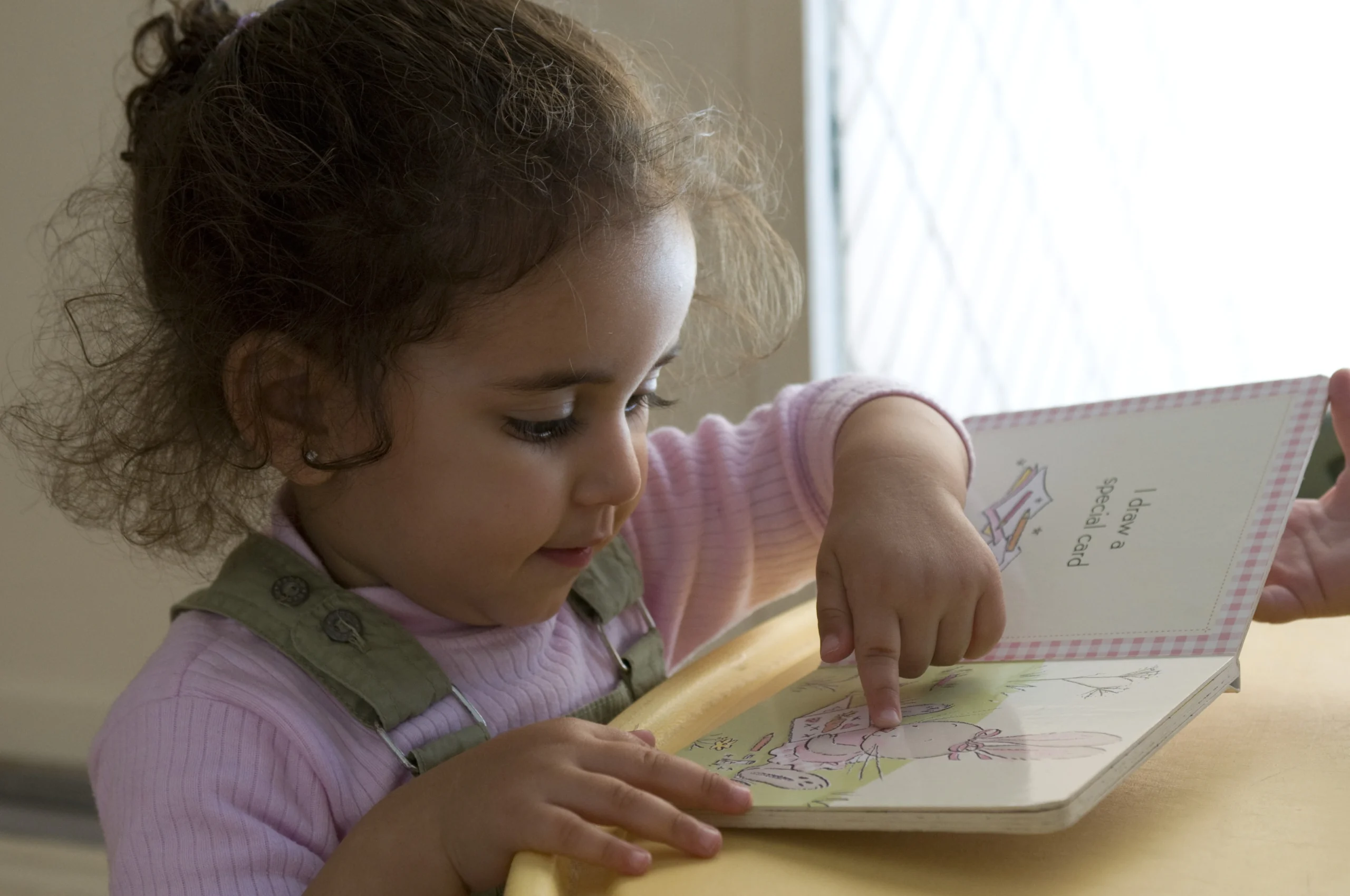
- Read interactively: Don’t just read the words. Ask questions about the pictures, “What do you think will happen next?” This builds comprehension and critical thinking.
Cultivating a Lifetime of Learning
At The Baby Academy®, we see cognitive development not as a race to memorize facts, but as a journey to cultivate a love for learning itself. Our goal in our Maadi, Heliopolis, New Cairo, and Mohandesein branches is to equip children with the thinking tools they will use for the rest of their lives.
Ready to see our thinking gyms in action? Contact your nearest The Baby Academy® branch in Cairo to schedule a tour and discover how we turn everyday moments into extraordinary learning opportunities for your little thinker.

Related Posts