








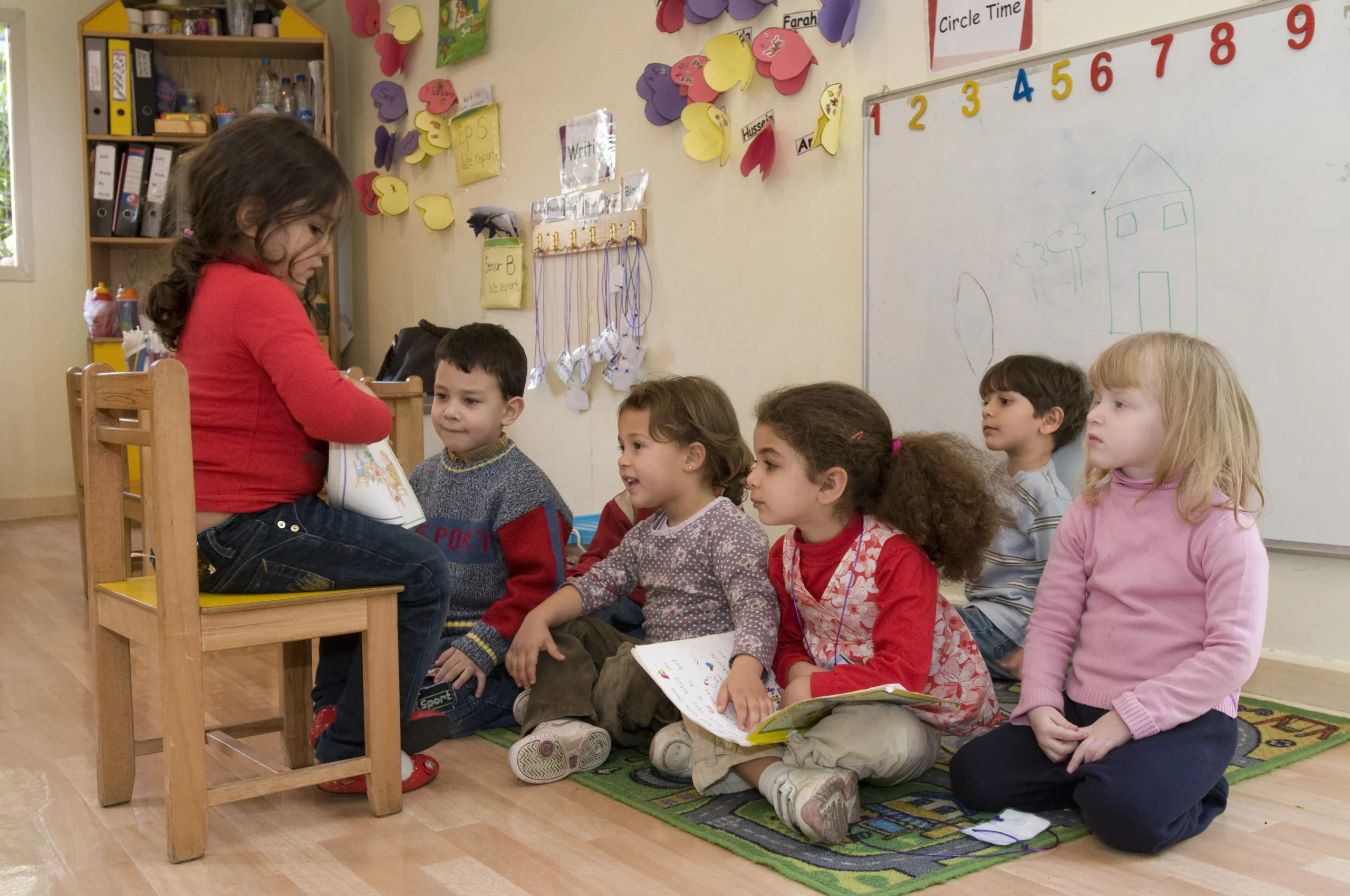
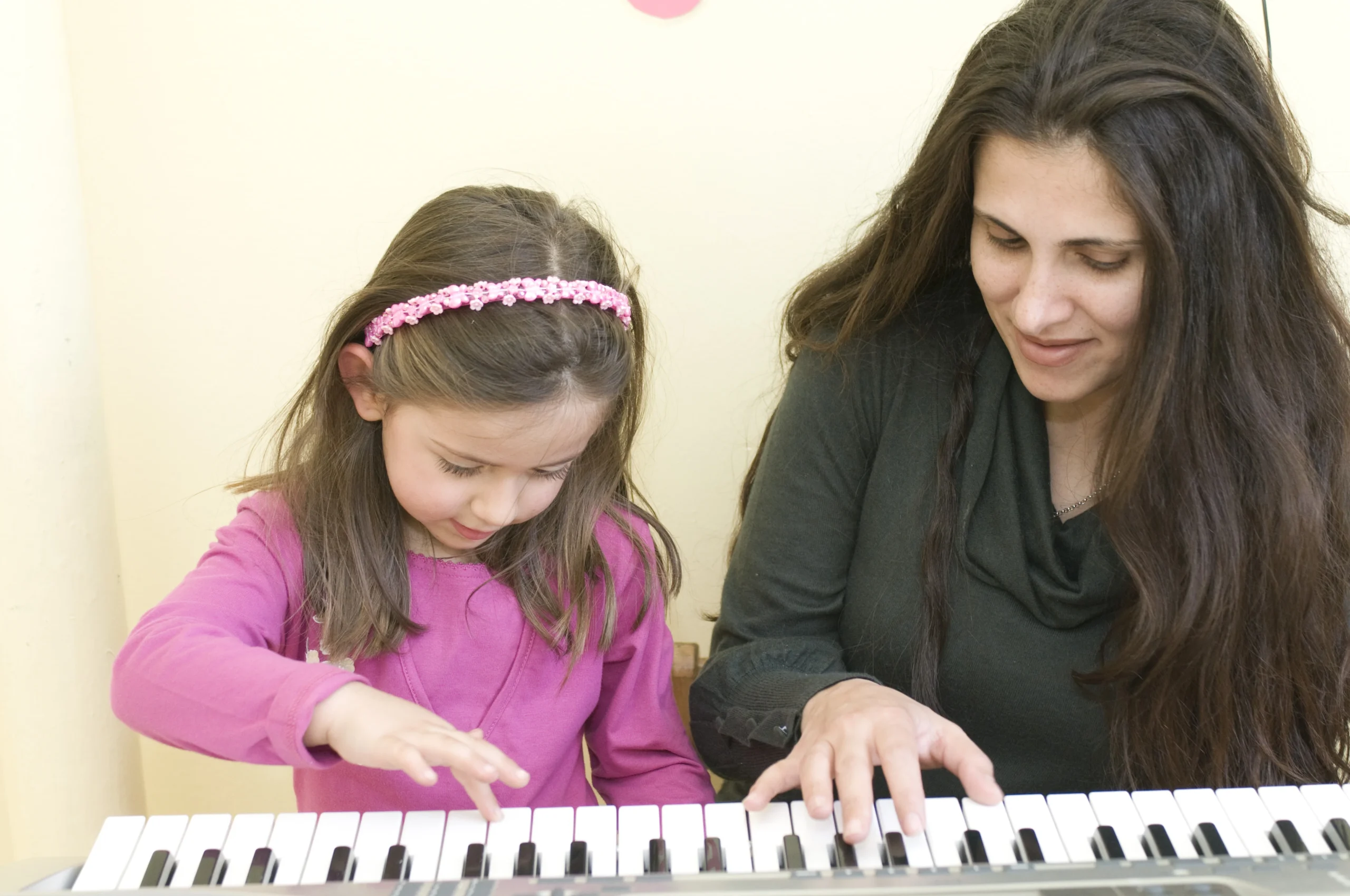
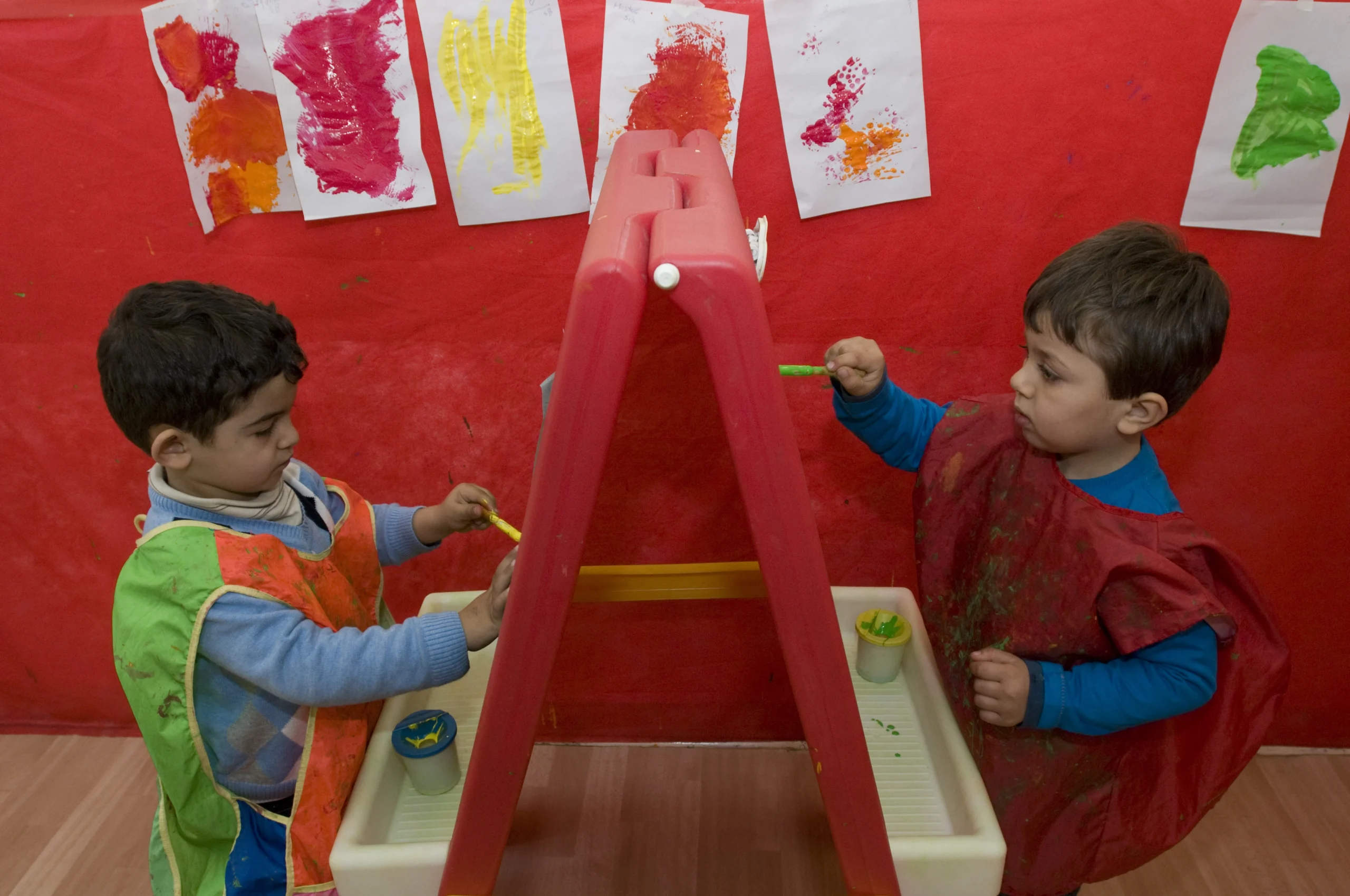

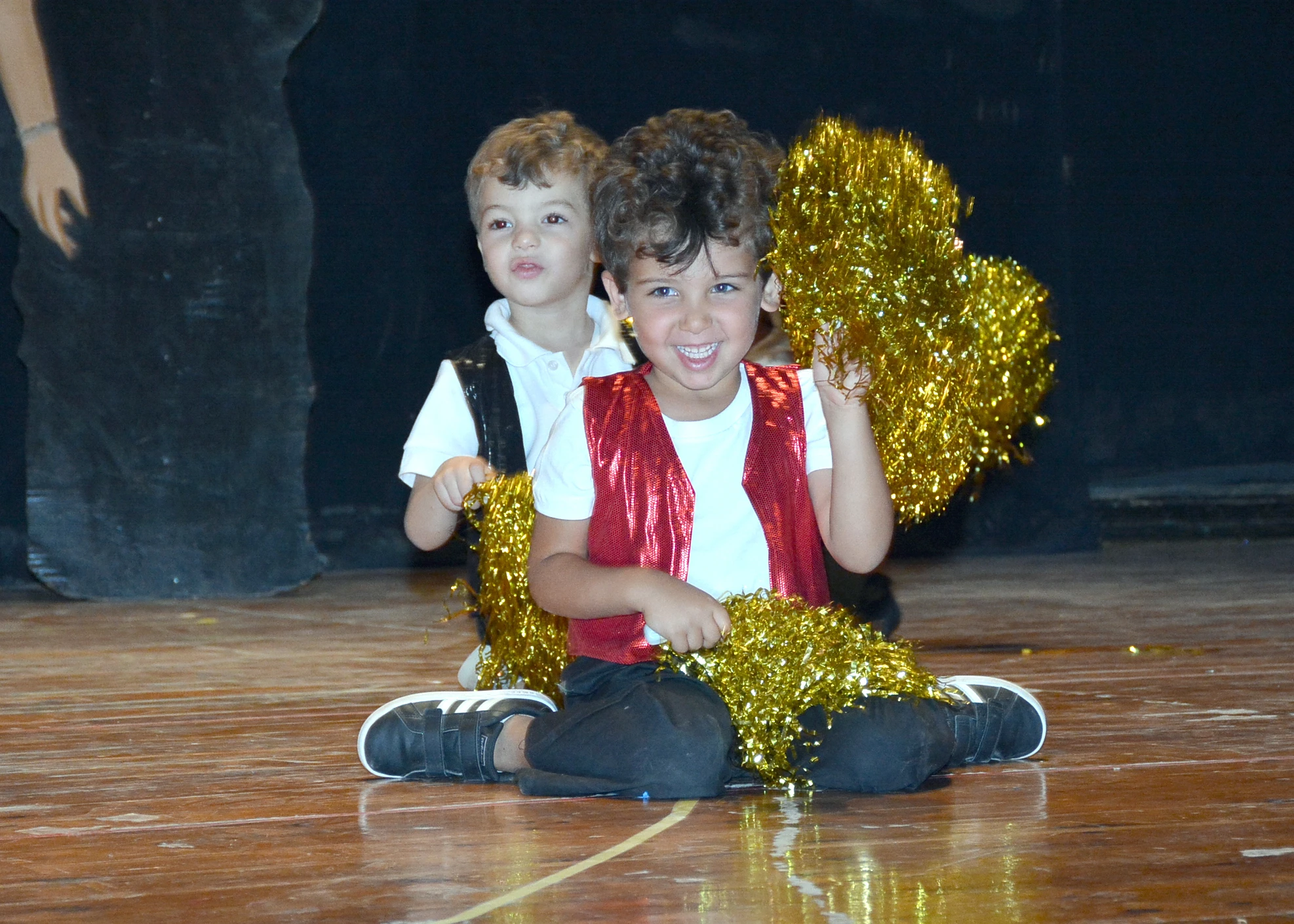
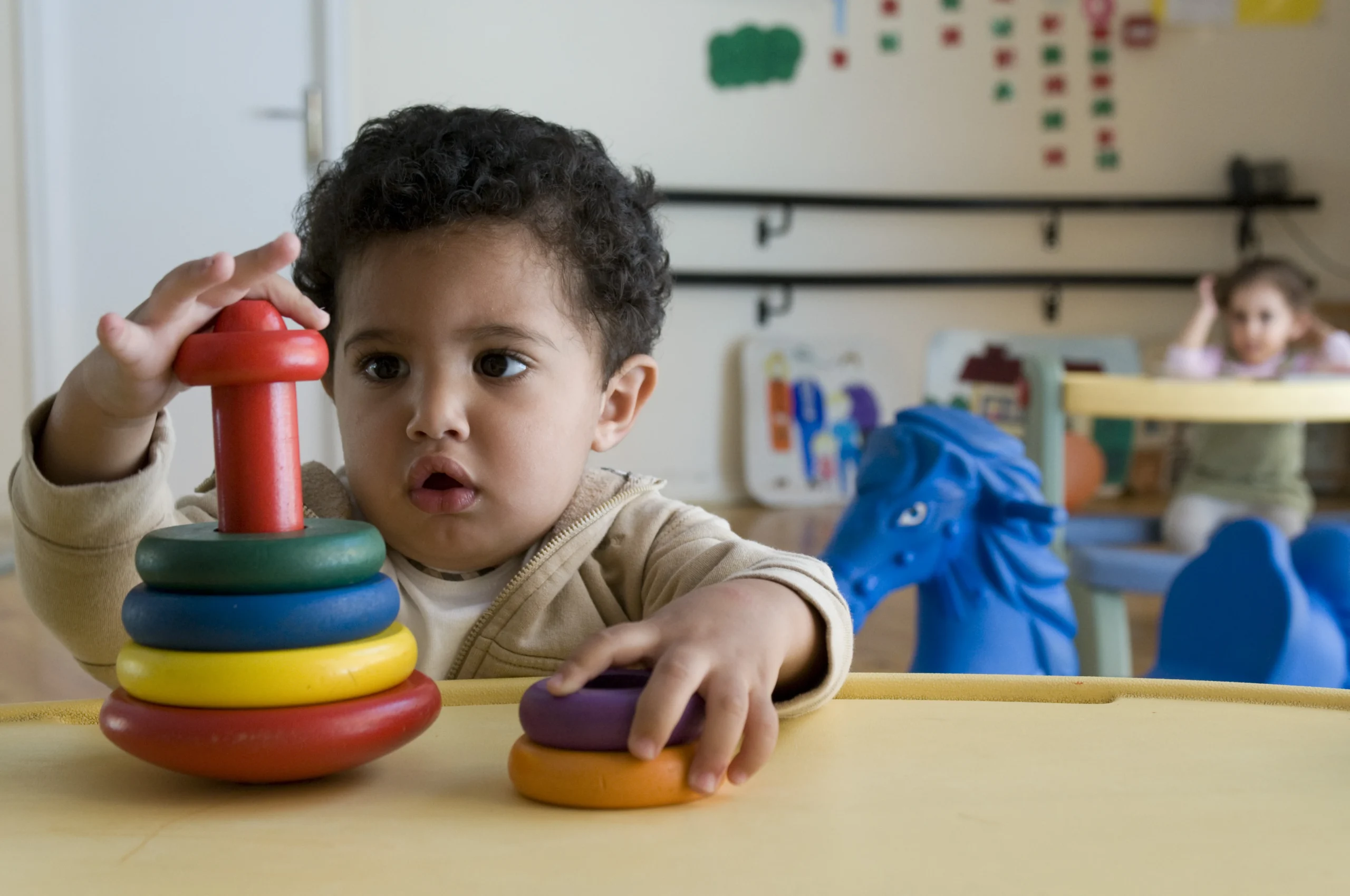
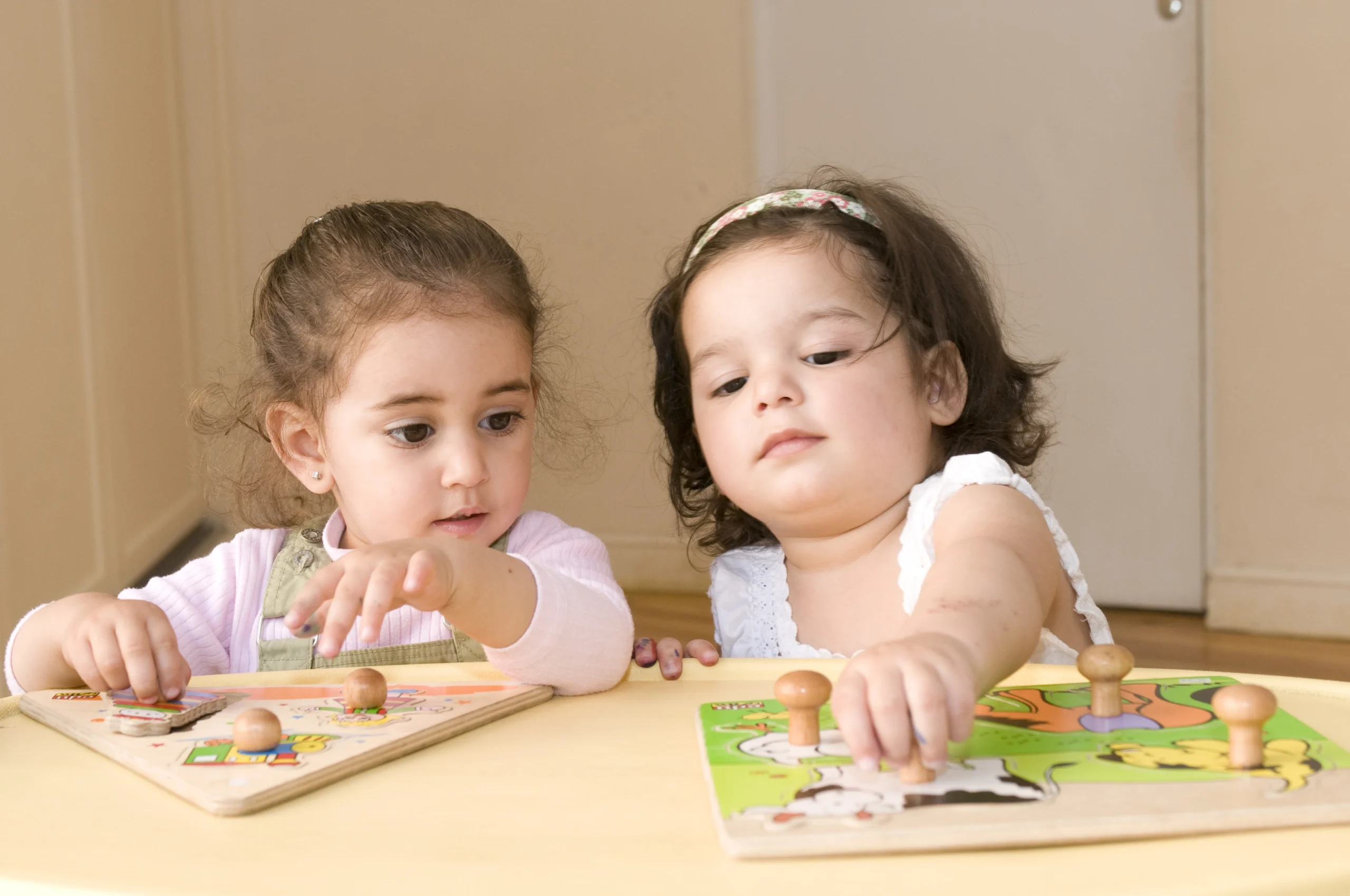
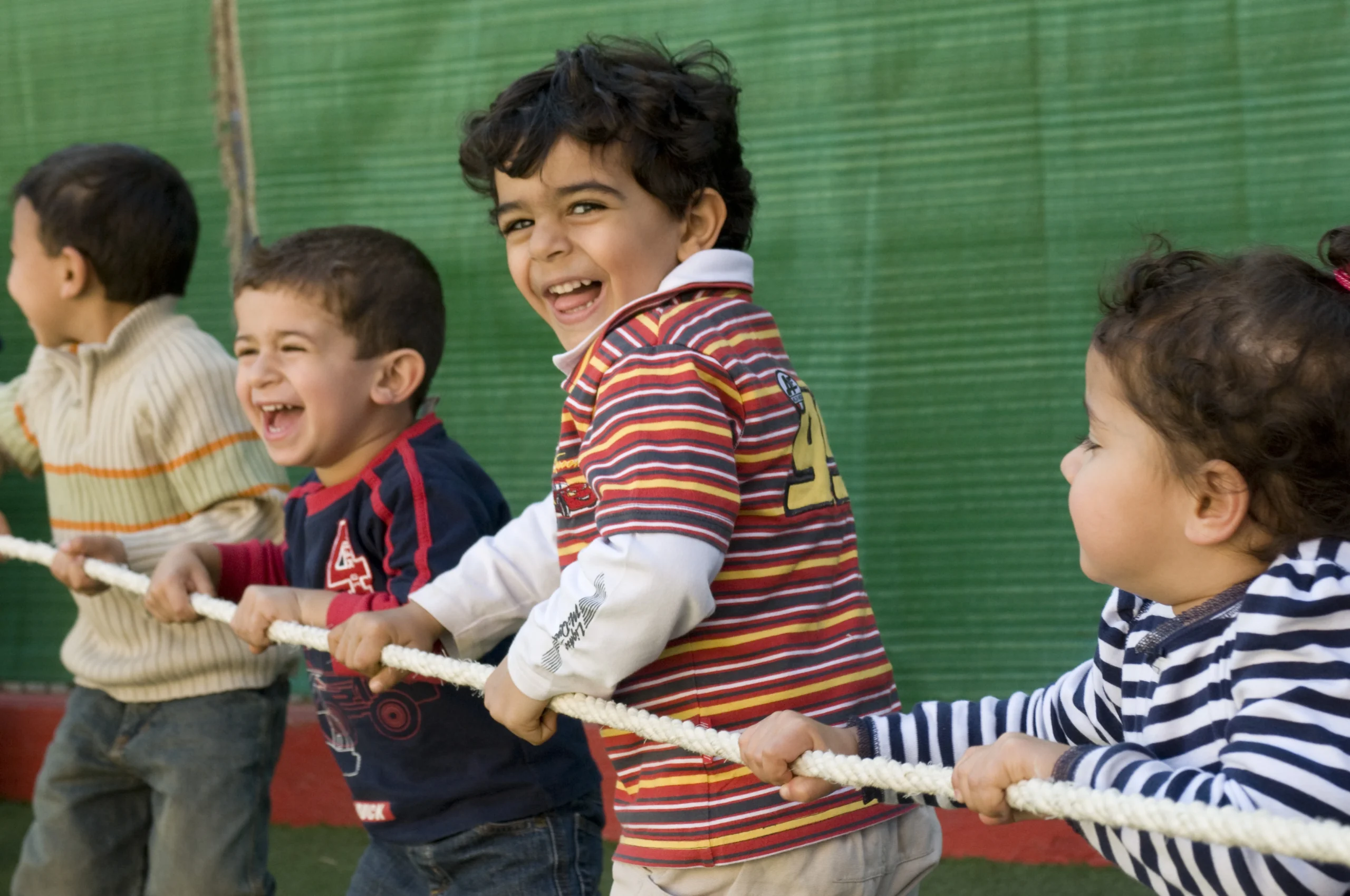
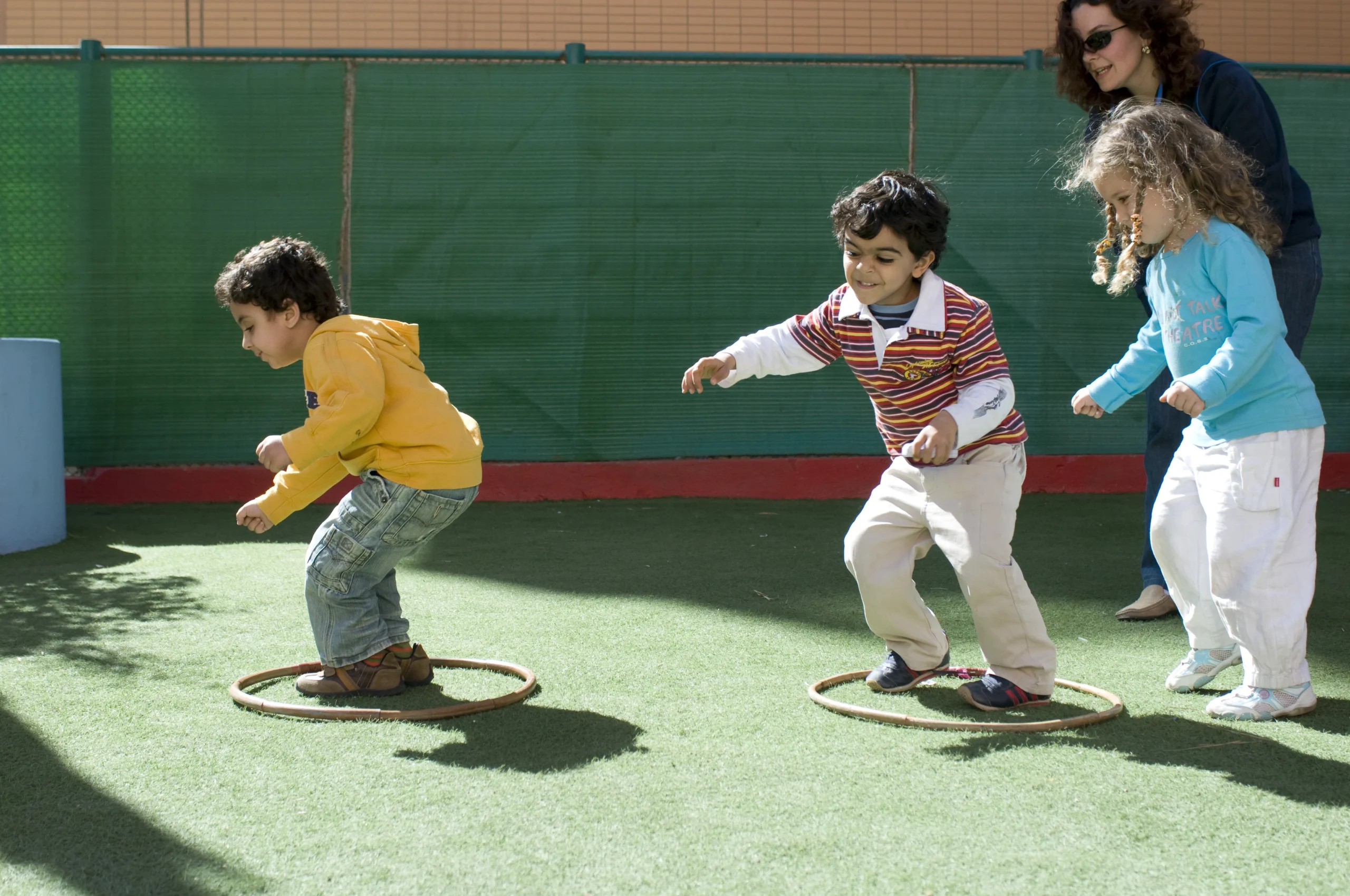
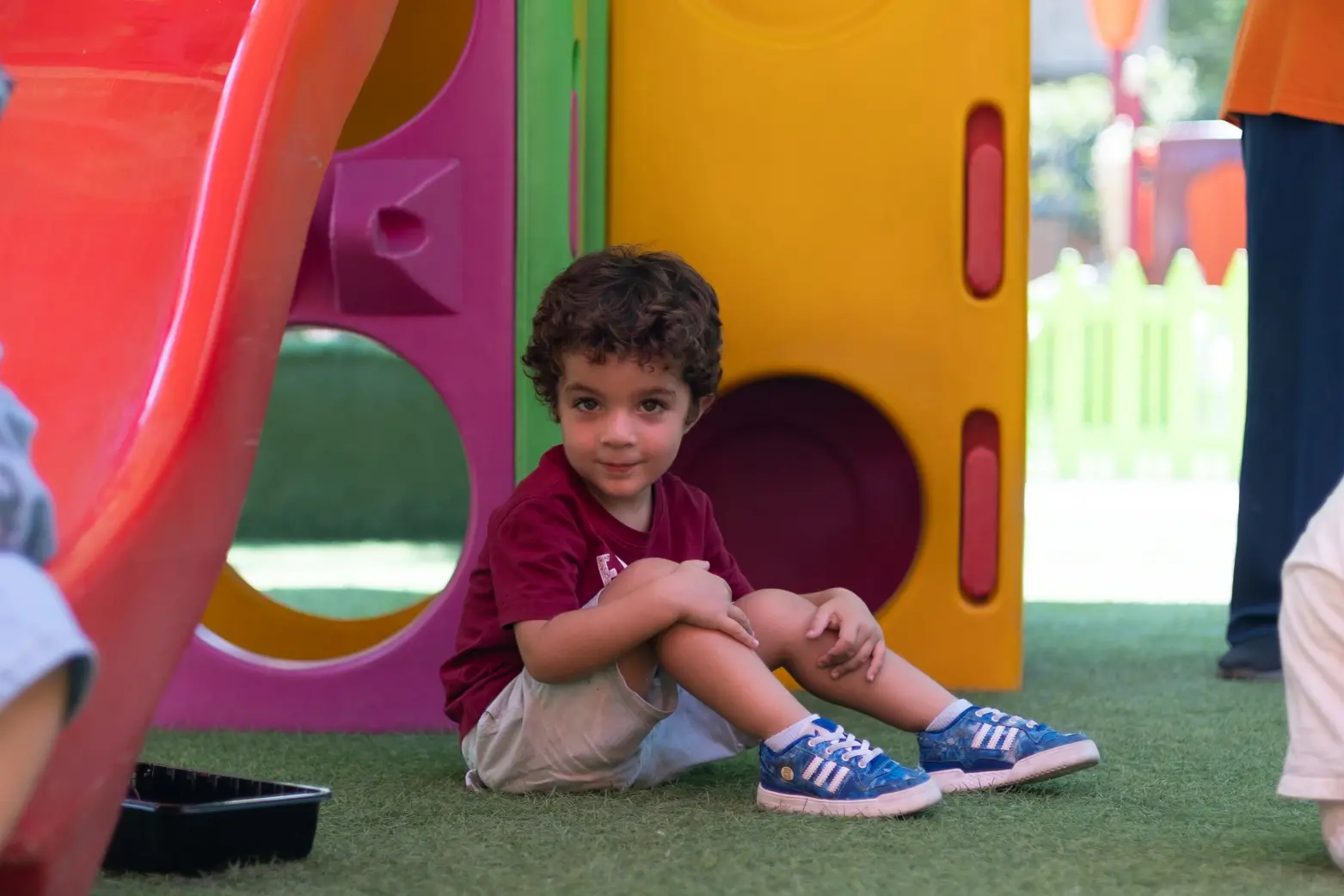
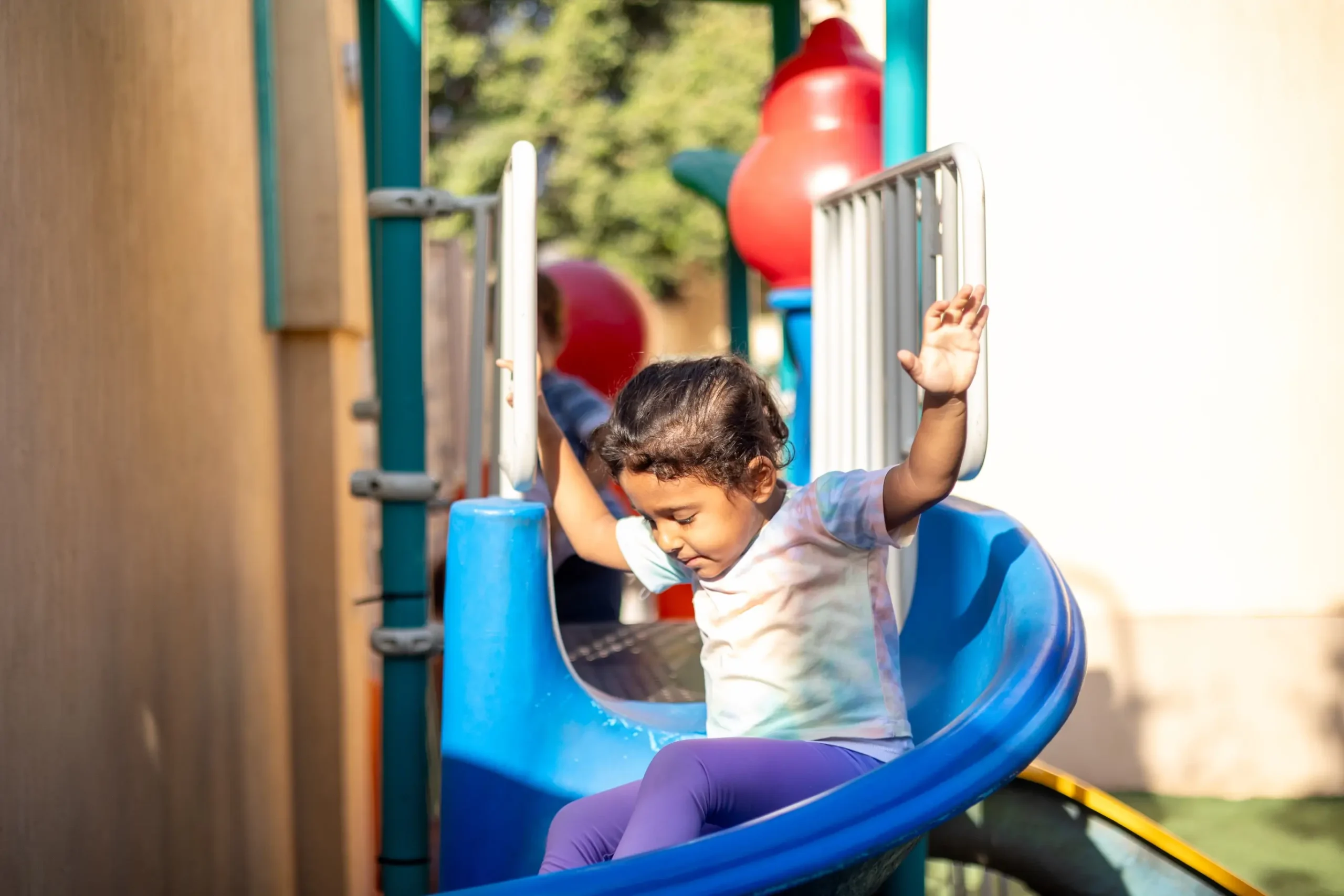
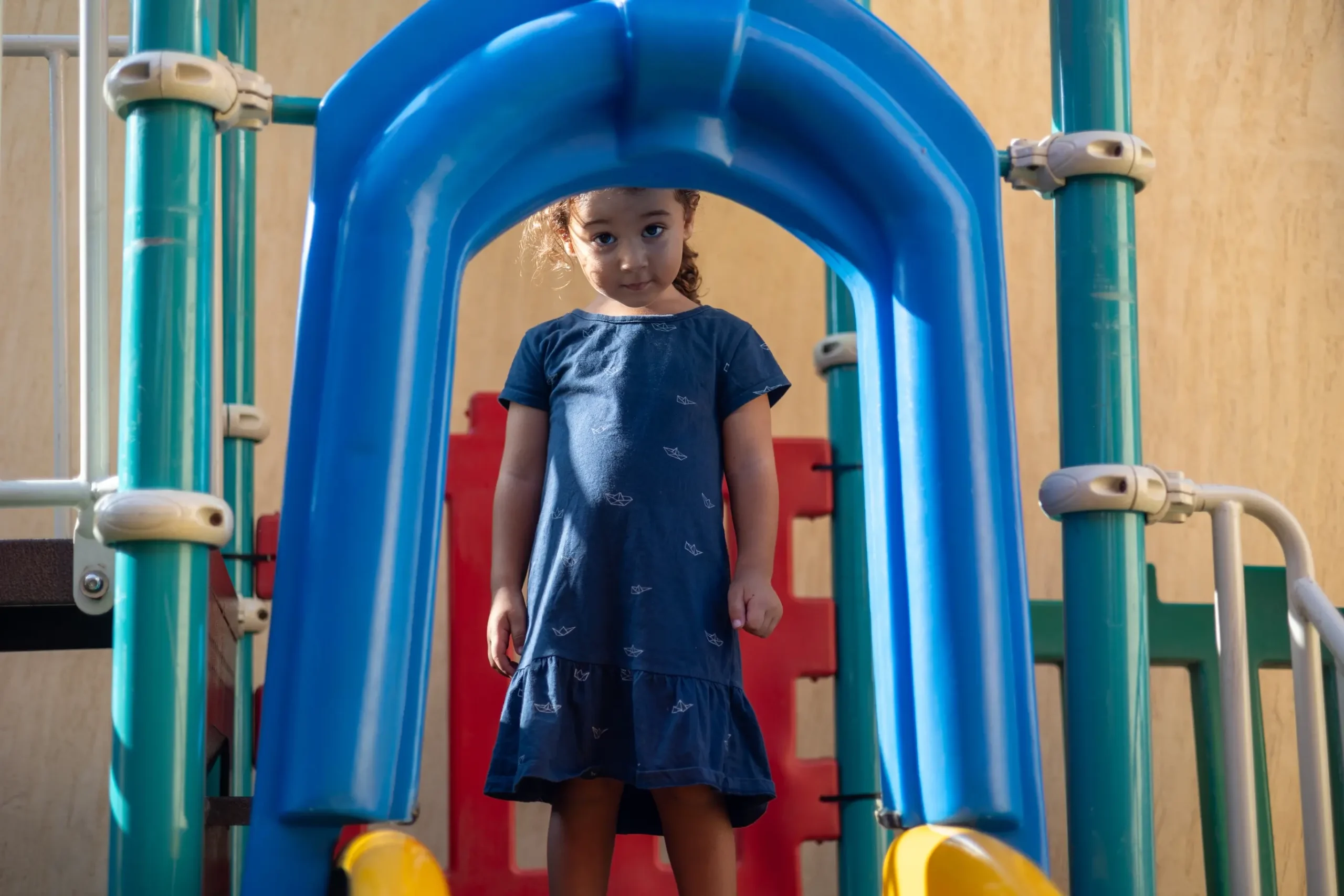
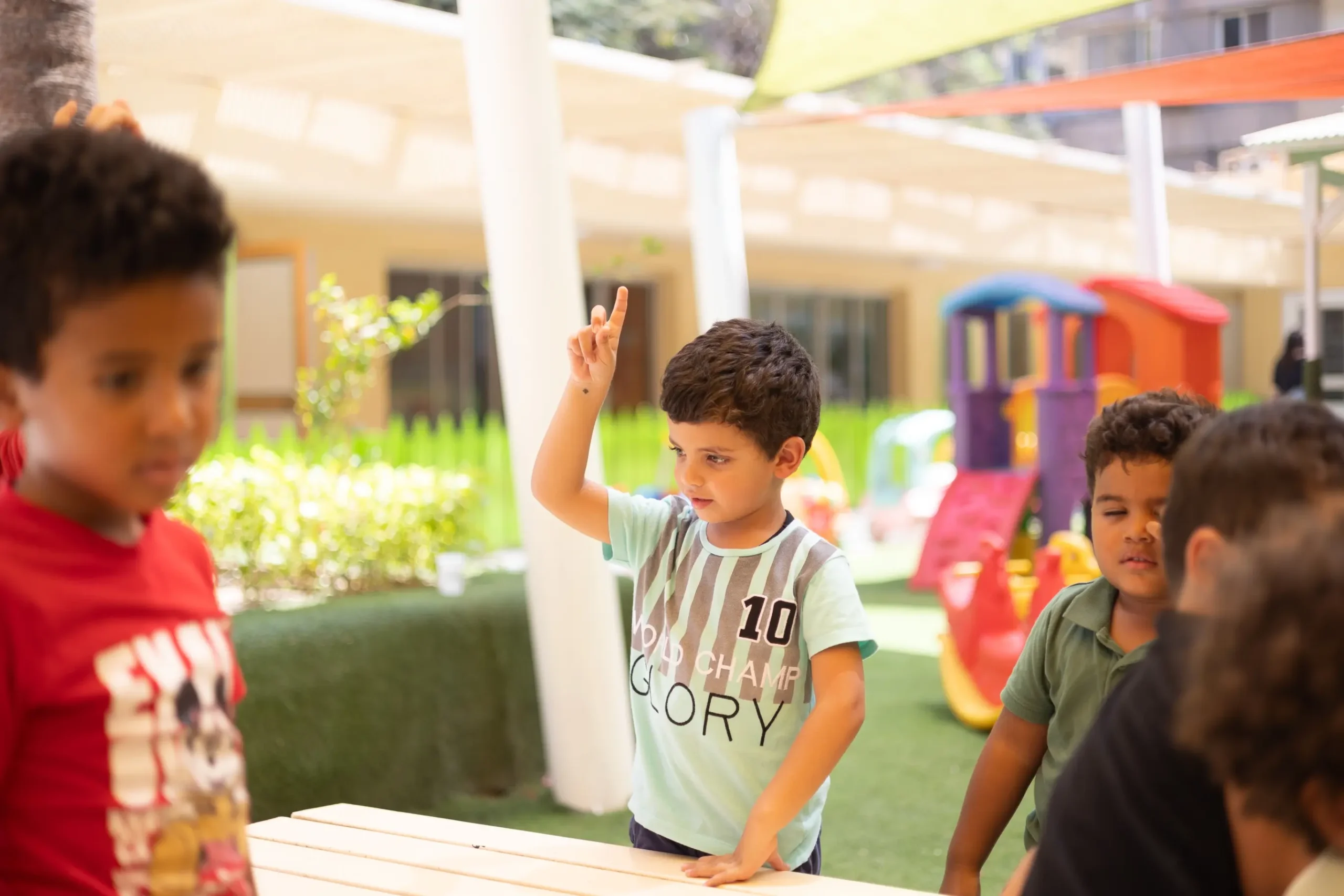
The words “discipline” and “punishment” are often used interchangeably, but at The Baby Academy®, we see them as fundamentally different. Punishment is about making a child pay for a mistake. Discipline, from the Latin word disciplina, means “to teach.” Our approach across all our nurseries in Maadi, Heliopolis, New Cairo, and Mohandesein is rooted in this philosophy of teaching. We aim to guide children toward understanding their emotions, making positive choices, and developing intrinsic self-control. This article shares our constructive strategies for managing challenging behaviors and fostering a cooperative, respectful environment.
Understanding the “Why” Behind the Behavior
Before we can address a behavior, we must seek to understand its root cause. A tantrum, hitting, or refusal to cooperate is often a child’s primitive way of communicating an unmet need or a big feeling they can’t yet express. Common triggers include:
- Big Emotions:Frustration, anger, jealousy, or overwhelm.
- Unmet Physical Needs:Hunger, thirst, tiredness, or overstimulation.
- A Lack of Skills:Not knowing how to share, take turns, or ask for help.
- A Need for Connection:Sometimes, “misbehavior” is a bid for attention.
Our Toolkit: Positive Discipline Strategies in Action
Our educators are trained in proactive and responsive techniques that preserve a child’s dignity while effectively teaching appropriate behavior.
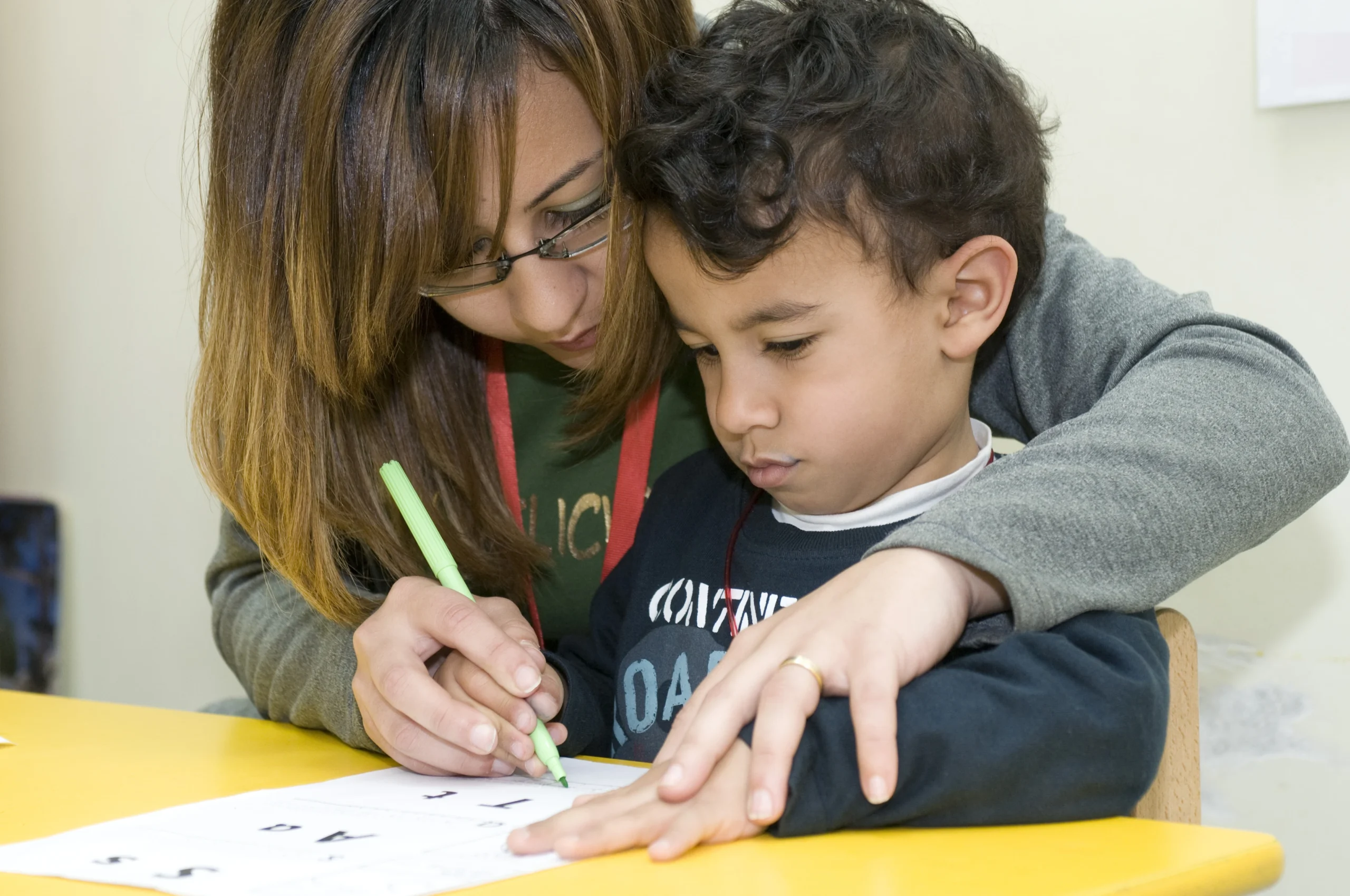
- Connection Before Correction:The first step is always to connect emotionally. We get down to the child’s eye level and use a calm, gentle tone to acknowledge their feeling. “I can see you are very upset. It’s hard when we have to stop playing.” This validation often de-escalates the situation instantly.
- Setting Clear, Consistent Limits:Children feel secure when they know the boundaries. We state rules simply and positively. Instead of “Don’t run!” we say, “We use our walking feet inside to keep everyone safe.”
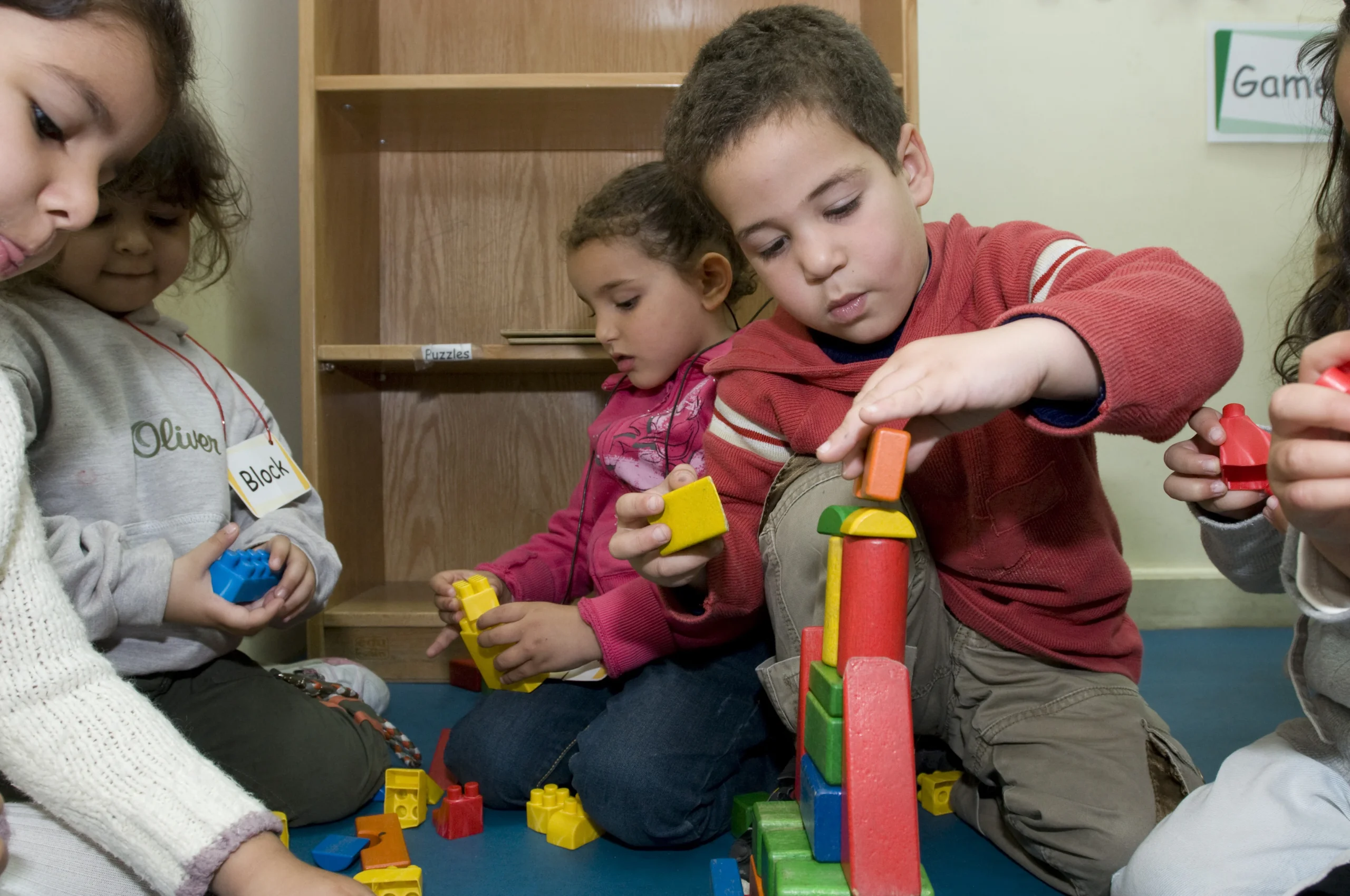
- Redirection & Offering Choices:This is especially effective with toddlers. If a child is throwing blocks, we calmly redirect them to an appropriate activity. “I can’t let you throw the blocks. They are for building. You can throw this soft ball, or we can build a tall tower together. You choose.”
- Natural & Logical Consequences:We allow children to experience the natural outcomes of their actions when it is safe to do so.
- Natural Consequence:“If you don’t eat your sandwich, you will feel hungry later.”
- Logical Consequence:“If you throw the puzzle pieces, you are showing me you are not ready to play with the puzzle. The puzzle will be put away for now, and you can try again later.”
- Positive Reinforcement:We “catch them being good.” We focus our attention on the behaviors we want to see more of. “Thank you so much for using your gentle hands with your friend!” or “I noticed you worked really hard on cleaning up those toys.”
Managing Common Challenges: Tantrums, Hitting, and Not Listening
- For Tantrums:Stay calm and present. We offer comfort without giving in to the demand. We provide a safe space for the child to release their emotions and are there for them when the storm passes.
- For Hitting or Biting:We respond immediately and firmly. “Hitting hurts. I will not let you hit. You can hit this pillow to show me you’re angry, or you can use your words.” We then focus on comforting the hurt child, showing the hitter that kindness gets attention.
- For Not Listening:We ensure we have the child’s attention first. We use clear, one-step instructions. We also use playful tools like songs (“This is the way we wash our hands…”) to make transitions and instructions more engaging.
Partnering with Parents: Strategies for Home
Consistency between nursery and home is powerful. Here are ways to implement these strategies:
- Create “Yes” Spaces:Designate areas at home where your child can explore freely without hearing “no” constantly, reducing power struggles.
- Establish Routines:Predictable routines for meals, bath, and bed give children a sense of control and make them more likely to cooperate.
- Use “When/Then” Statements:This frames a request positively. “When you have put your toys away, then we can read a story.” This teaches responsibility and delayed gratification.
- Model the Behavior You Want to See:Your child is always watching. How you handle your own frustration is the most powerful lesson they will receive.
Building a Foundation for Lifelong Social Skills
At The Baby Academy®, we see every behavioral challenge as a teachable moment. Our goal is not to create obedient children, but to raise empathetic, responsible, and self-disciplined individuals who understand the impact of their actions on others.
If you are looking for a nursery in Cairo that partners with you to guide your child’s behavior with respect and empathy, contact The Baby Academy® in Maadi, Heliopolis, New Cairo, or Mohandesein. Let us show you how gentle guidance can build a strong, cooperative relationship with your child.

Related Posts