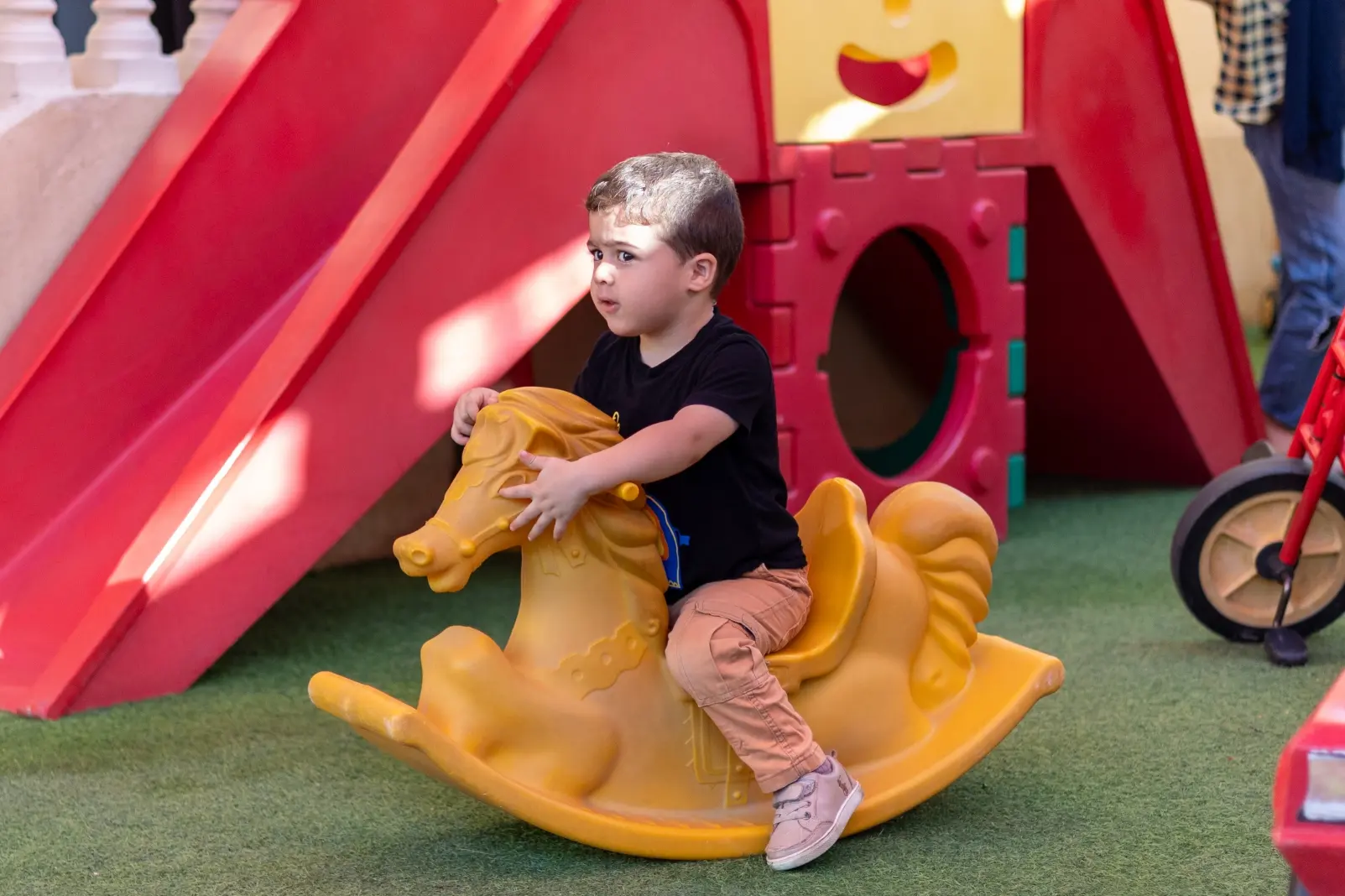








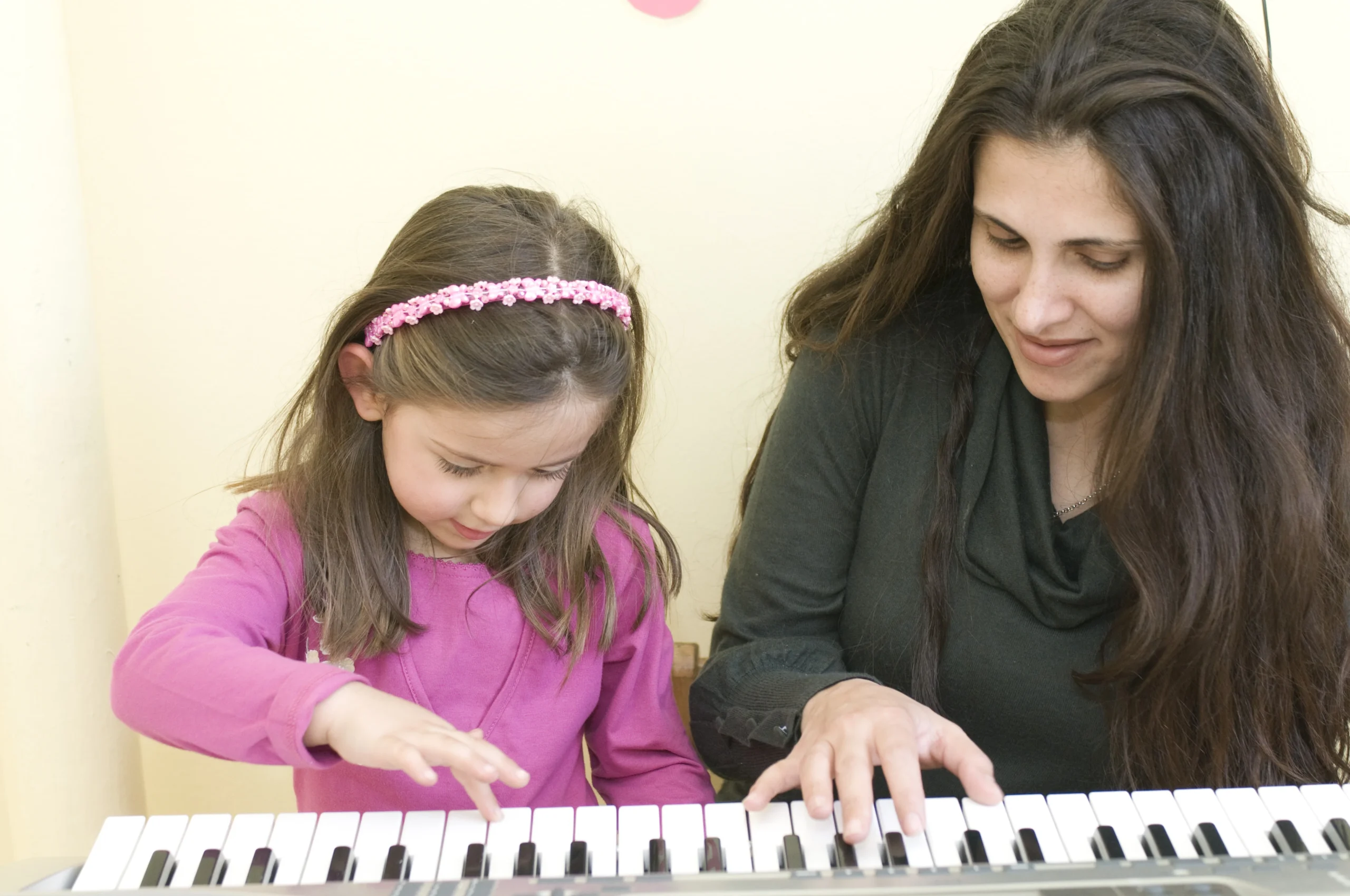

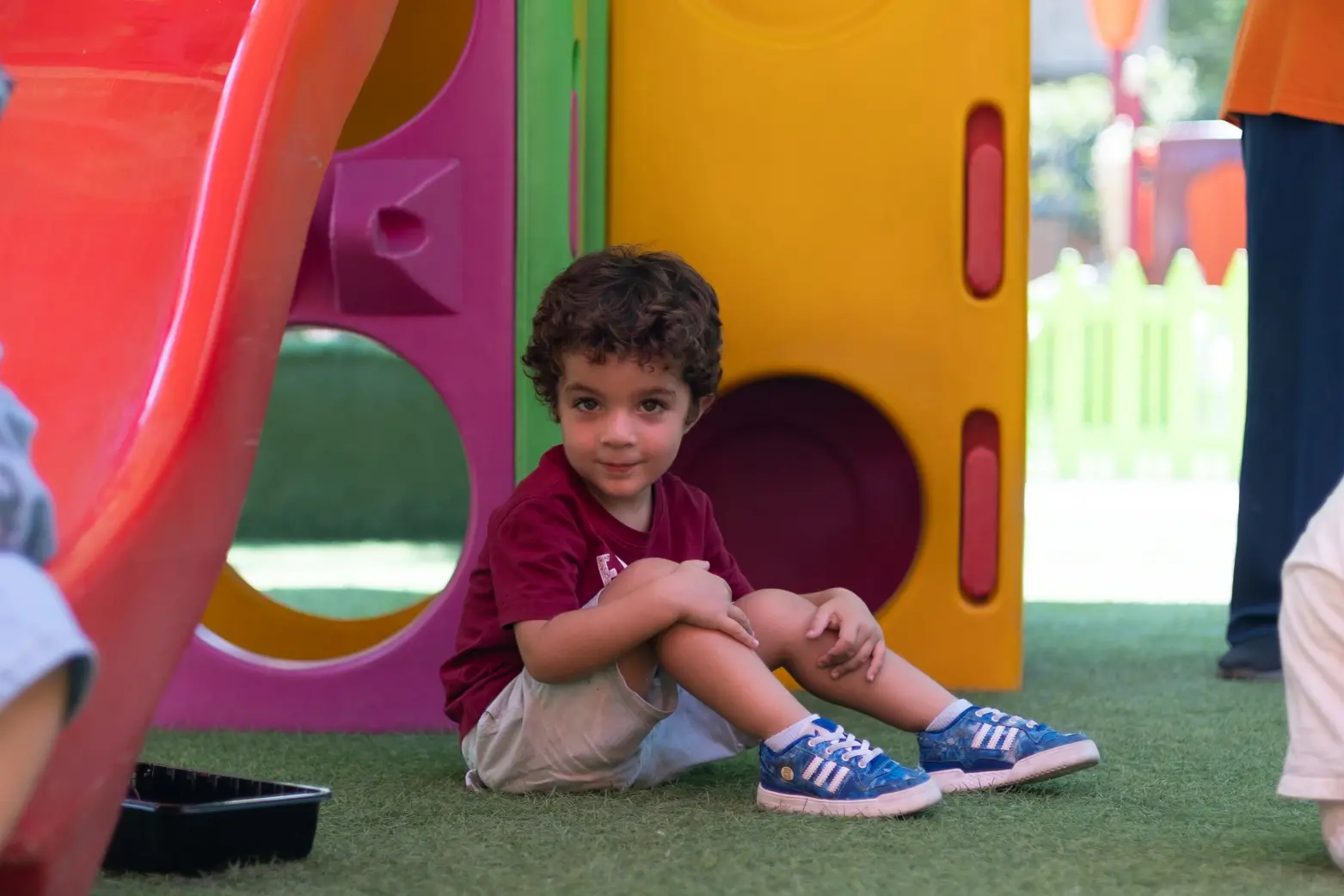
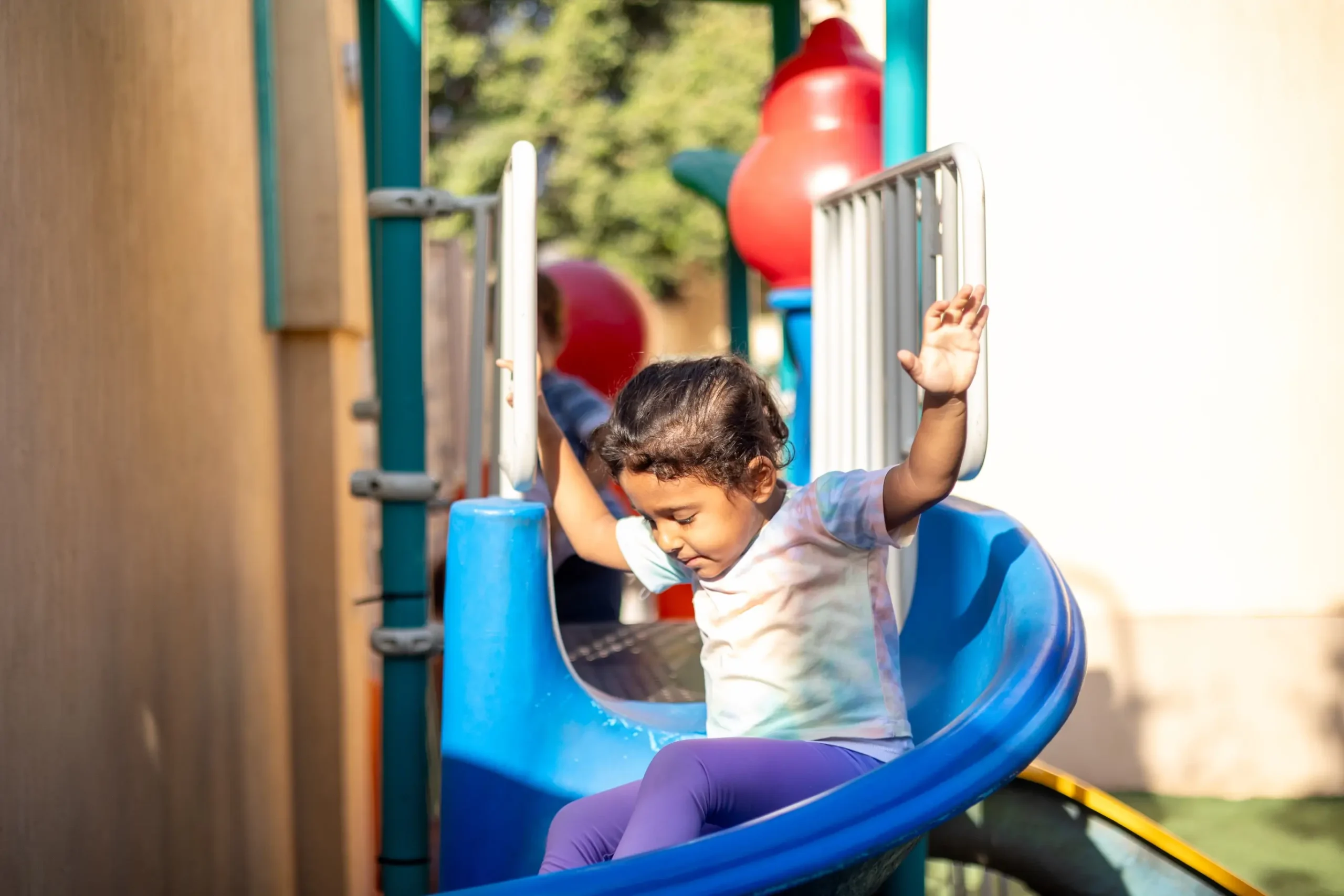
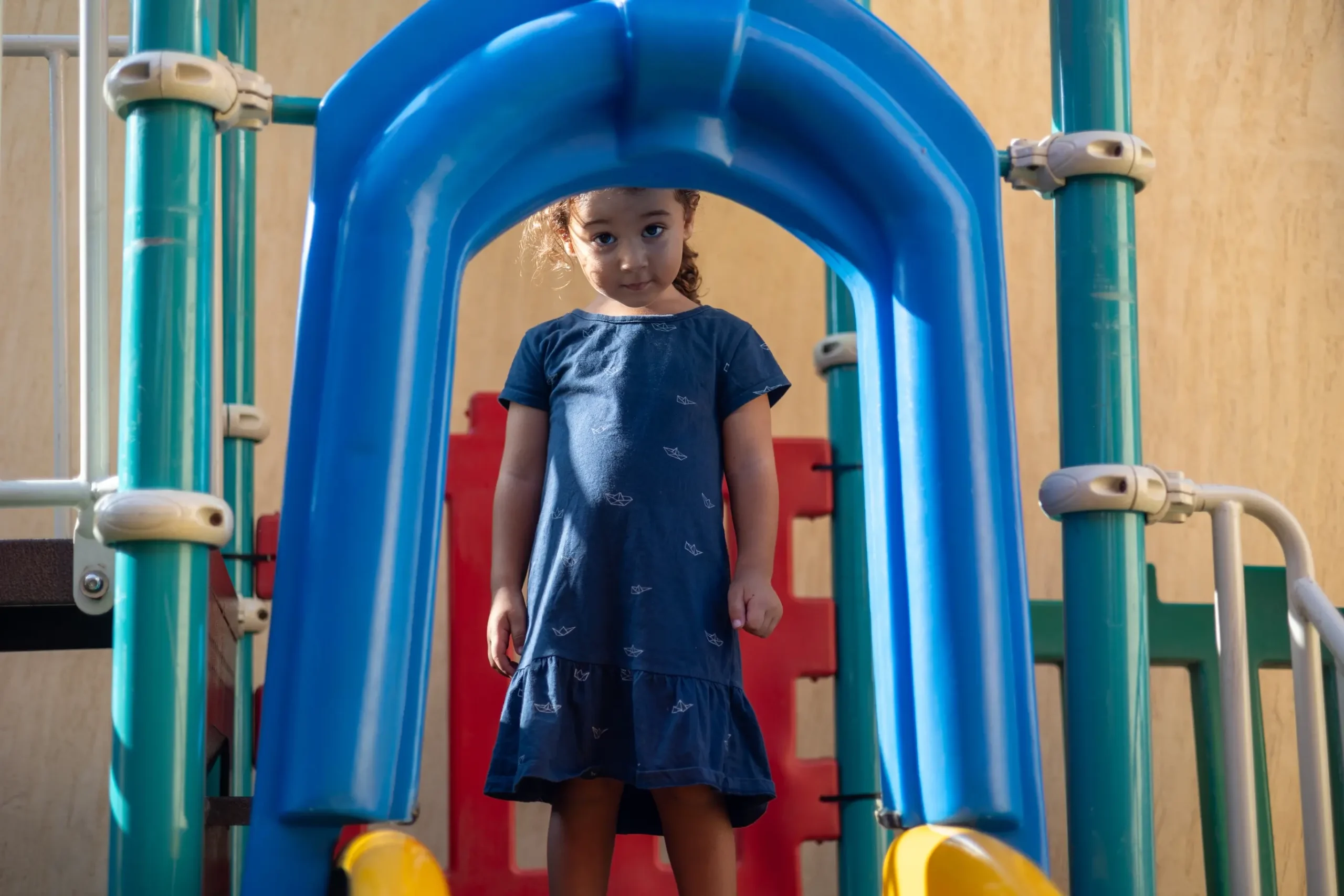
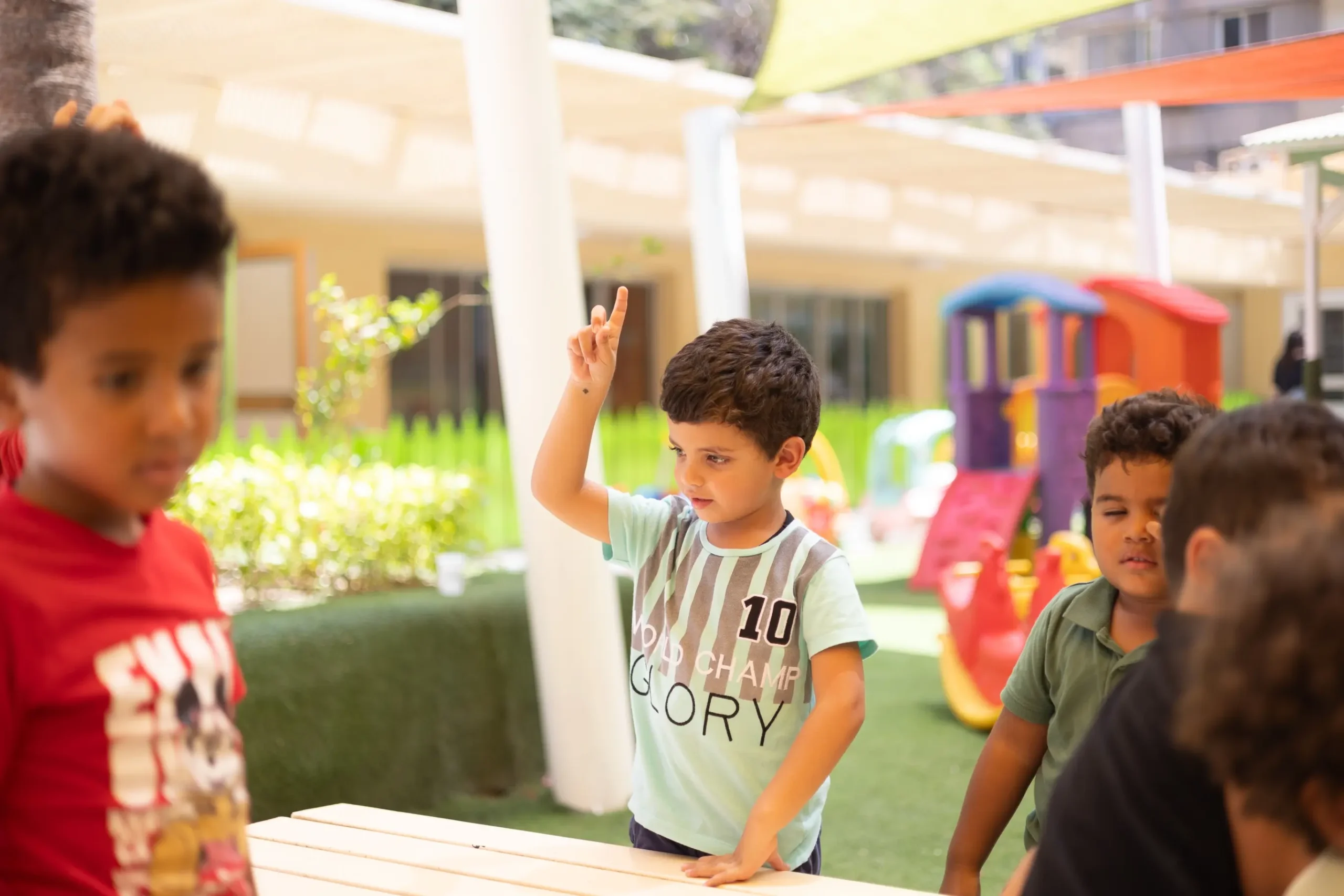
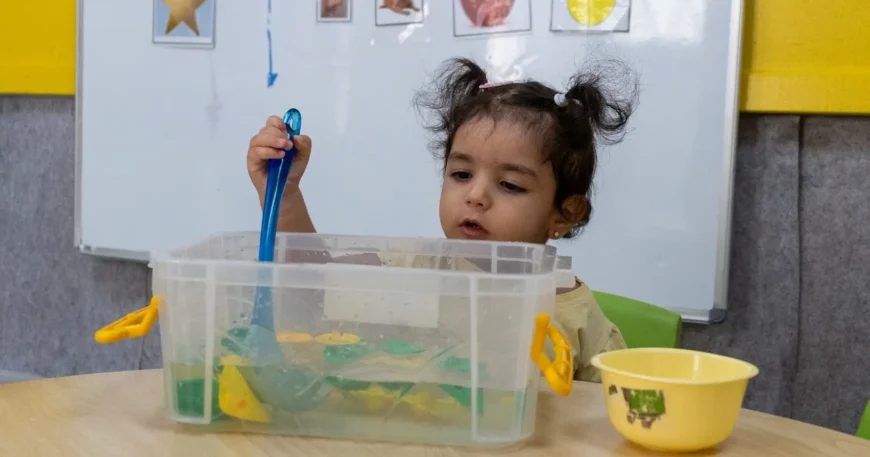
“What did you do at nursery today?” “We just played!” For many parents, this answer might be concerning. But at The Baby Academy®, with campuses in Maadi Degla, Heliopolis, New Cairo, and Mohandesein, “just playing” is the sound of serious learning in action. Play is the universal language of childhood and the most powerful vehicle for development. This article will pull back the curtain on our pedagogical philosophy, revealing the profound science and intentional design behind learning through play.
Why Play is the Work of Childhood
Play is not a break from learning; it is the fundamental way young children learn. It is a self-motivated, enjoyable, and process-oriented activity that builds the bedrock for all future learning. Through play, children:
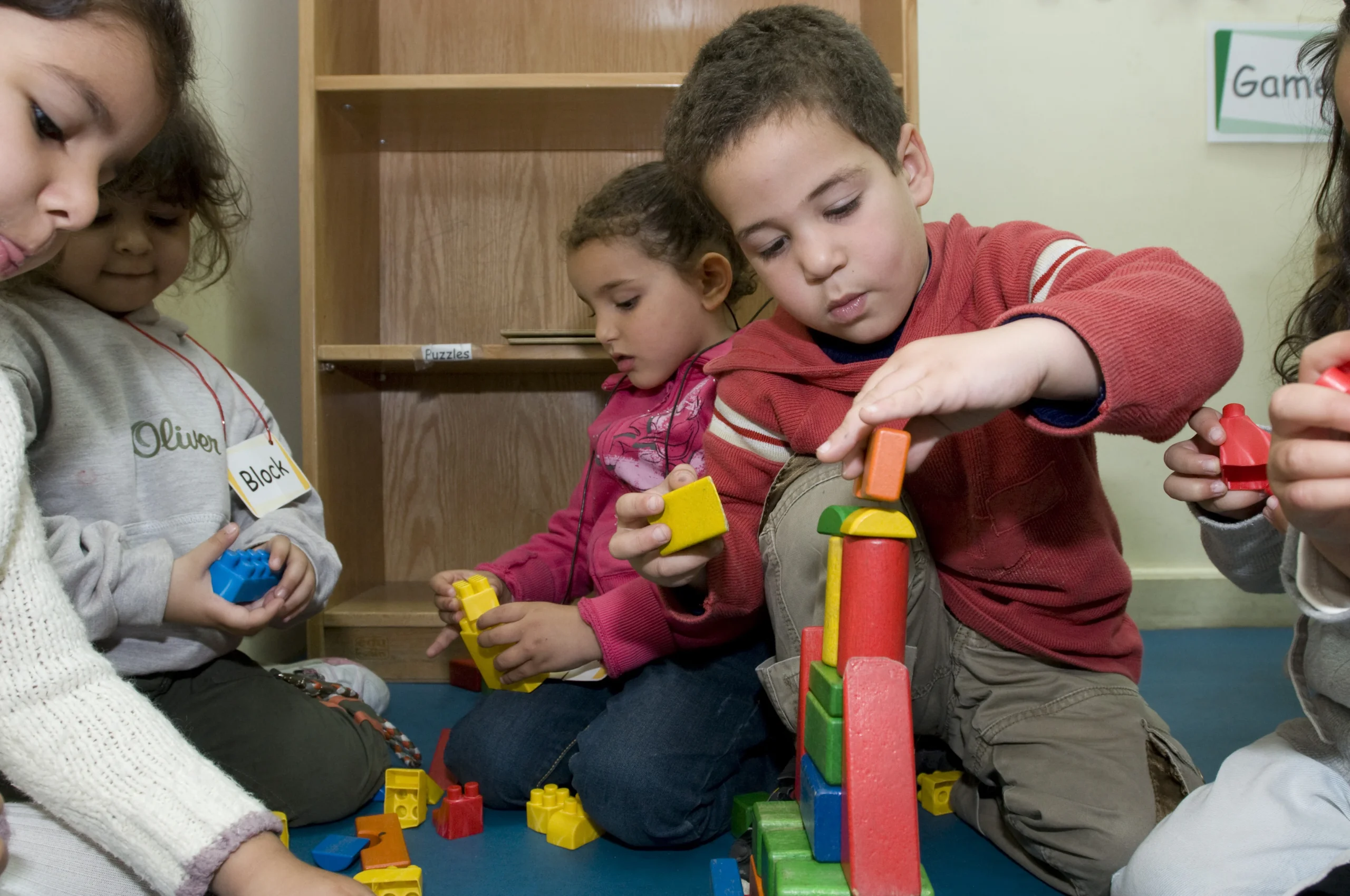
- Develop Cognitive Skills: They learn to solve problems (How do I get this block tower to stay up?), understand cause and effect (What happens if I push this button?), and think creatively.
- Enhance Language & Communication: Whether negotiating roles in a pretend game or describing their creation, play-rich environments are language-rich environments.
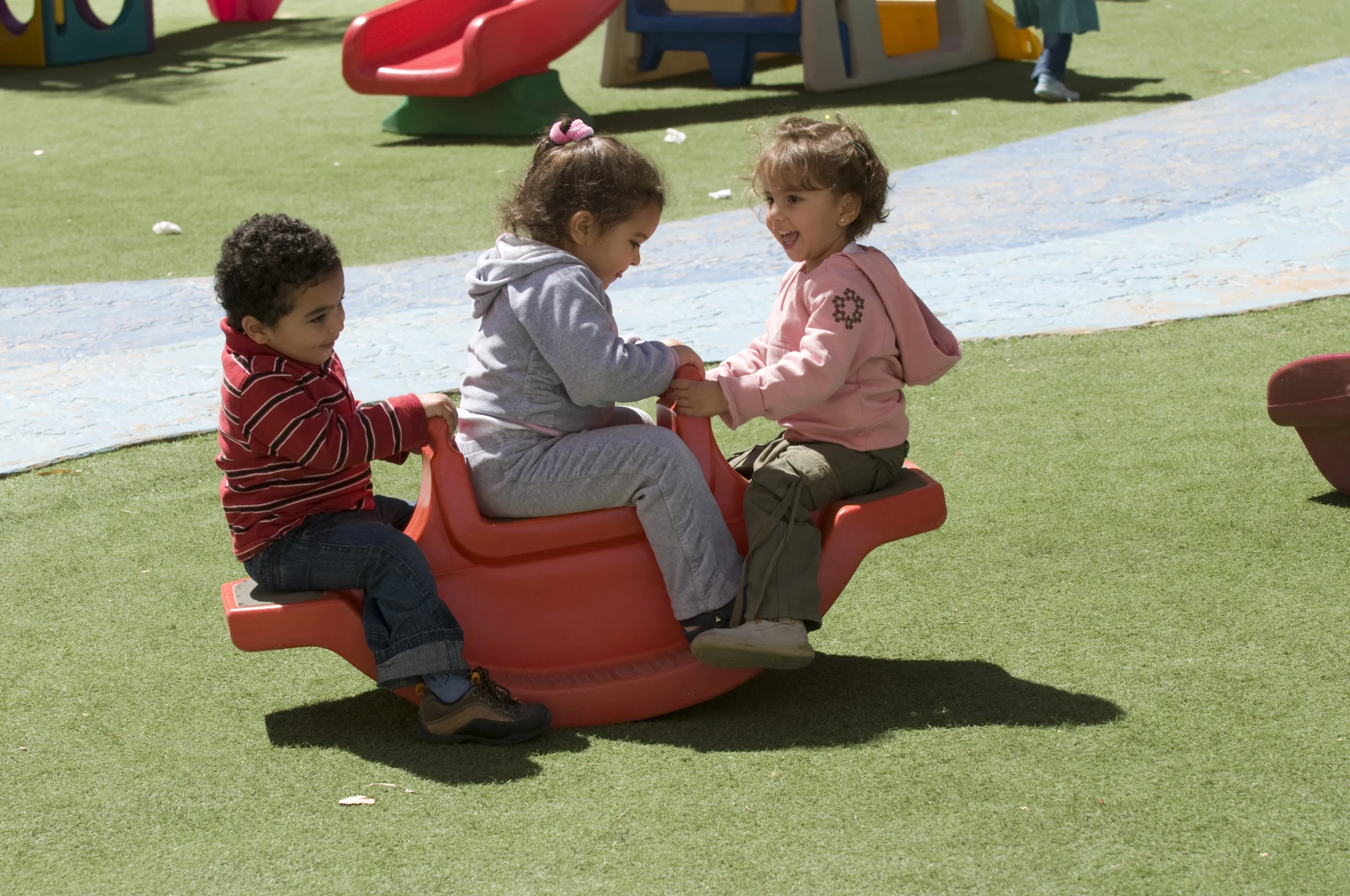
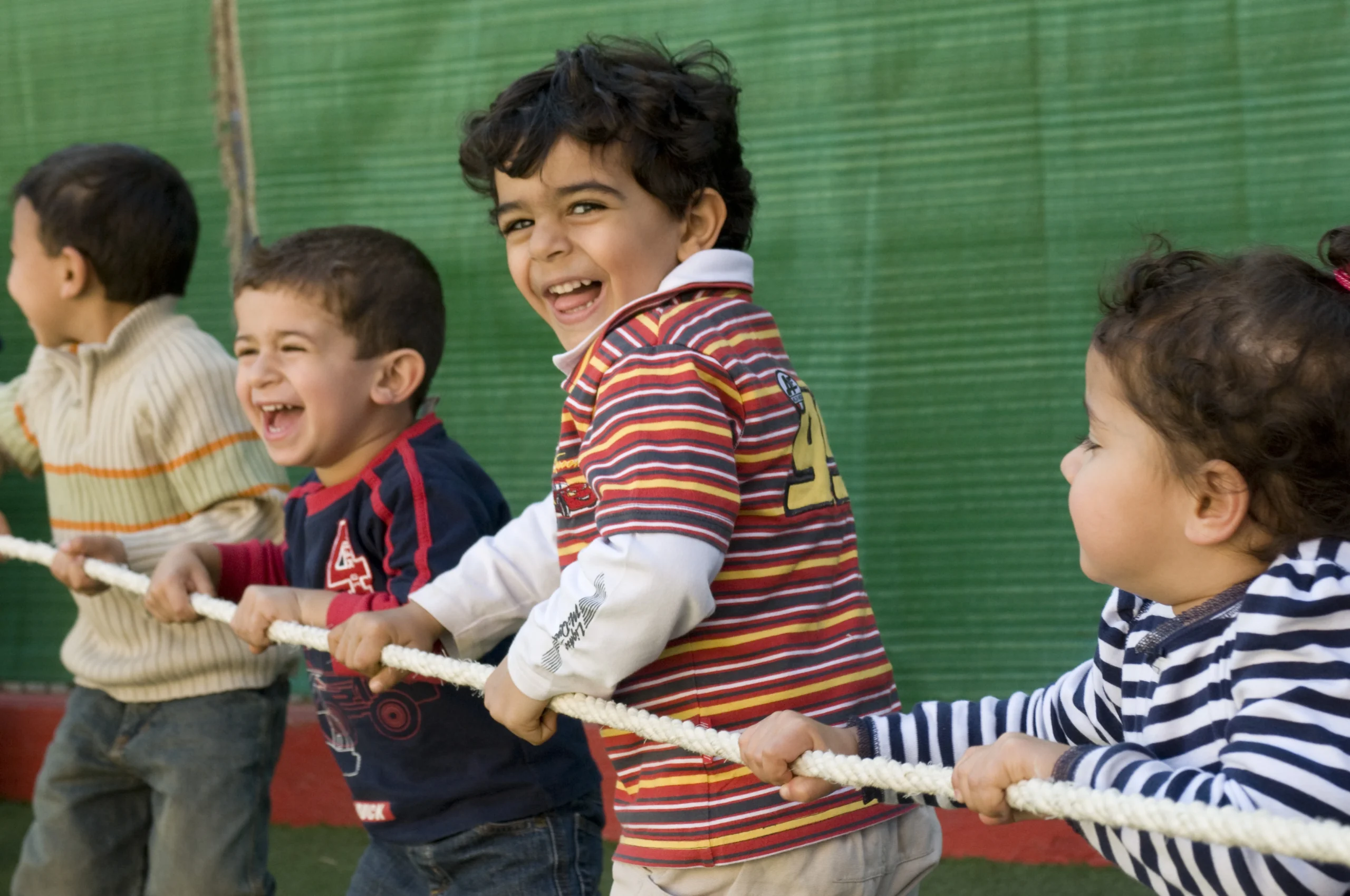
- Foster Social-Emotional Intelligence: Play teaches children how to take turns, share, cooperate, manage conflicts, and understand different perspectives.
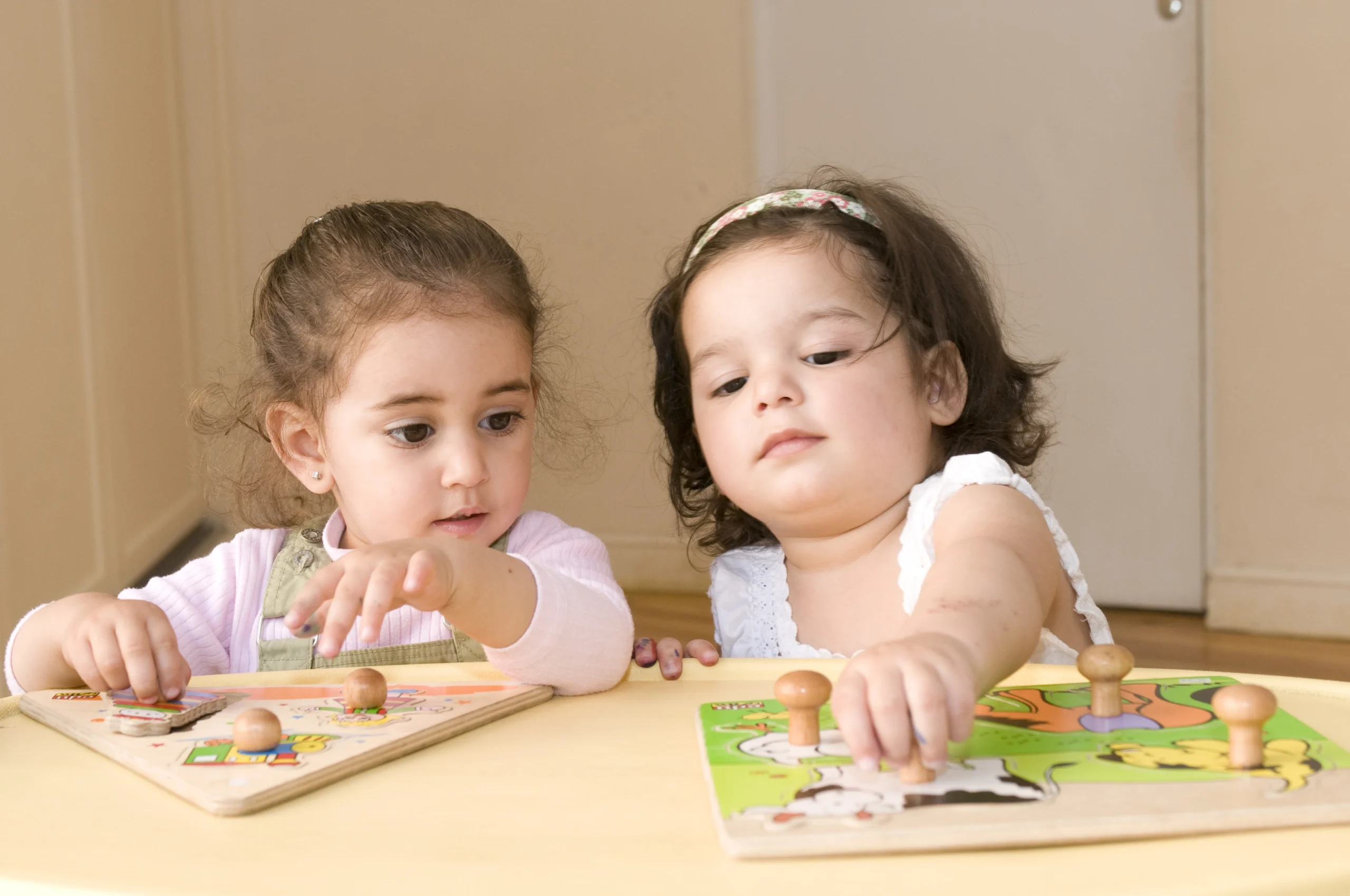
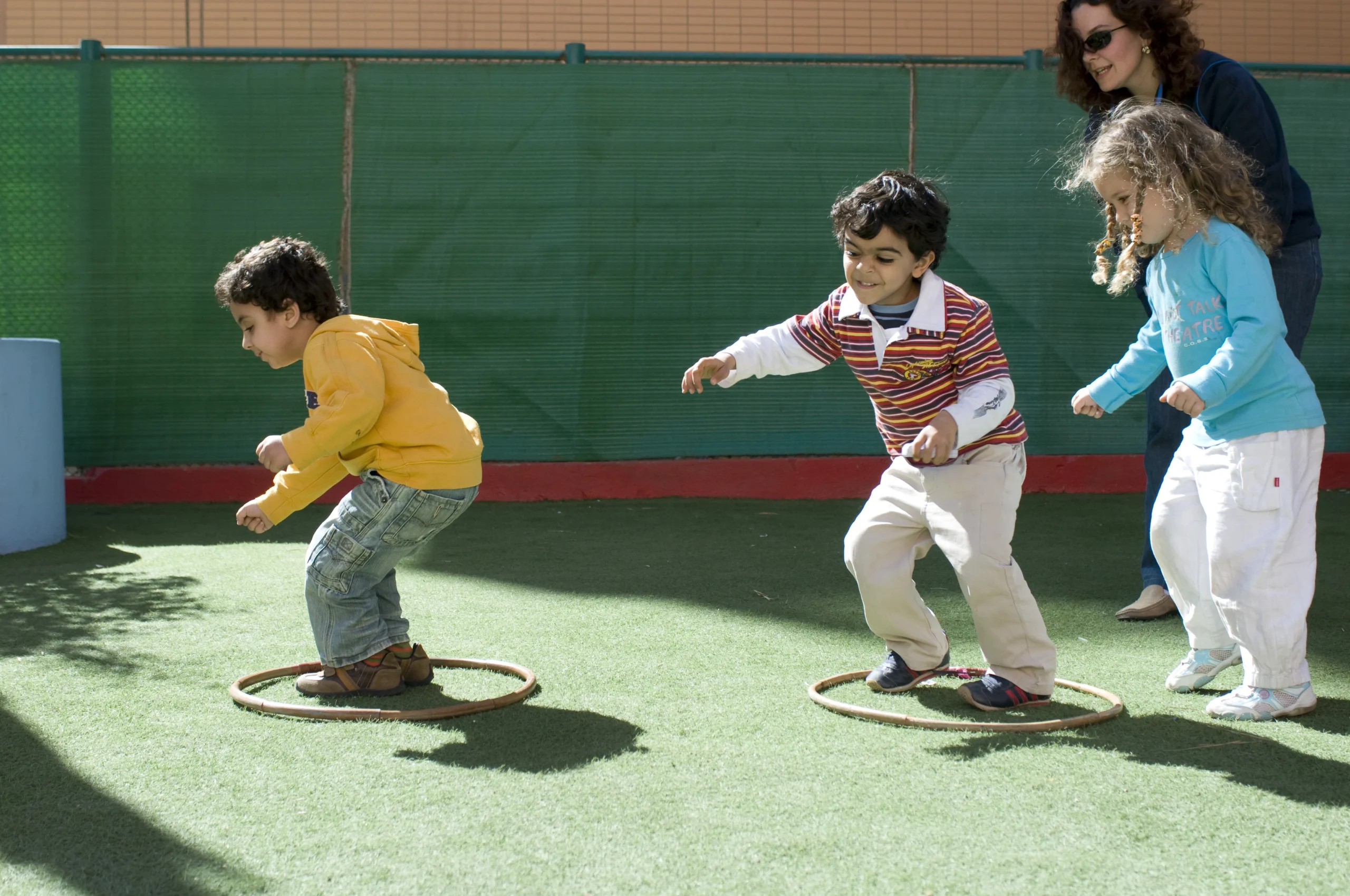
- Refine Physical Abilities: From the gross motor skills of running in our outdoor spaces to the fine motor skills of manipulating puzzle pieces, play builds strong, coordinated bodies.
The Baby Academy®’s Play Pedagogy: Structured and Unstructured Play in Balance
Our curriculum is a carefully crafted blend of different types of play, each serving a unique purpose:
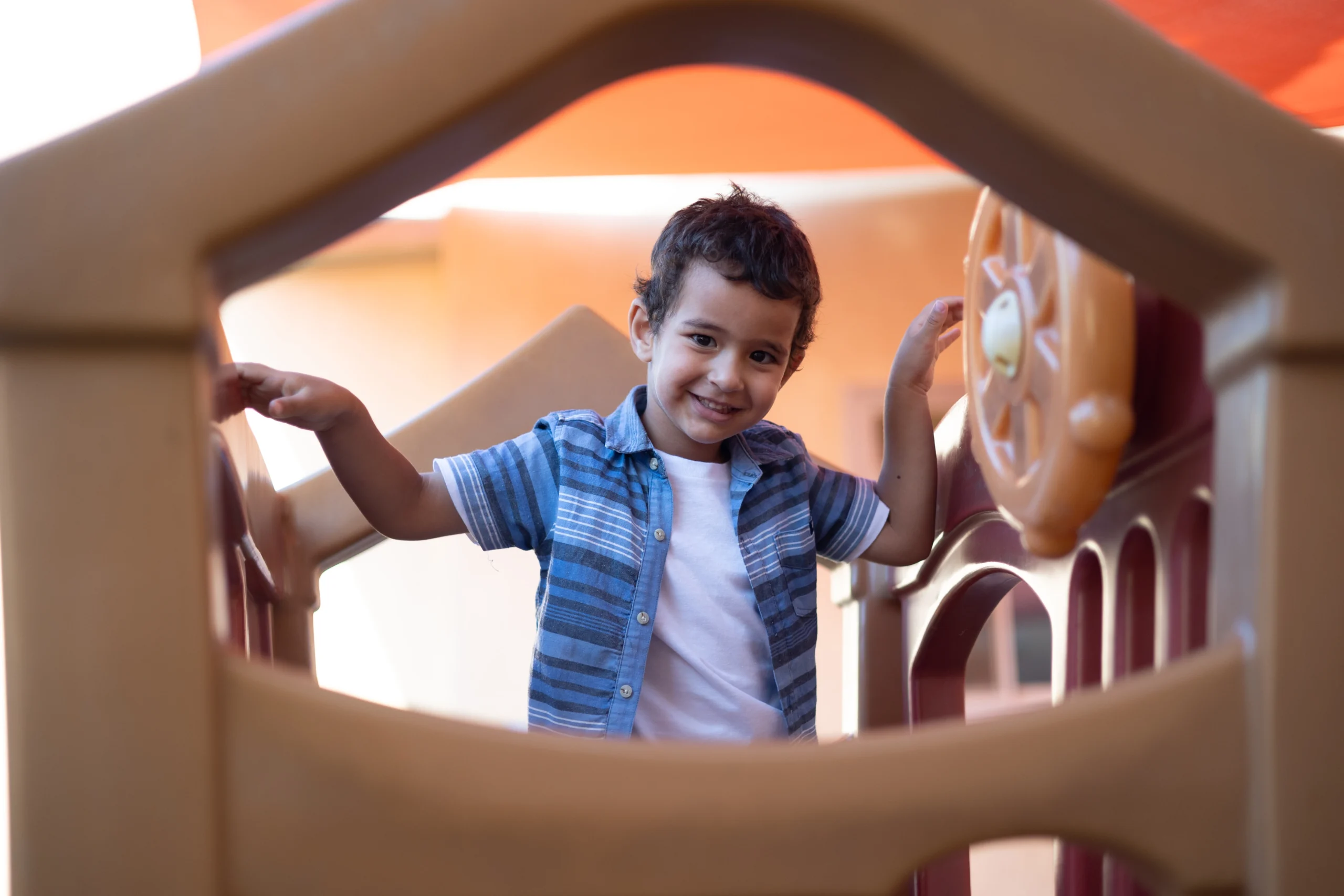
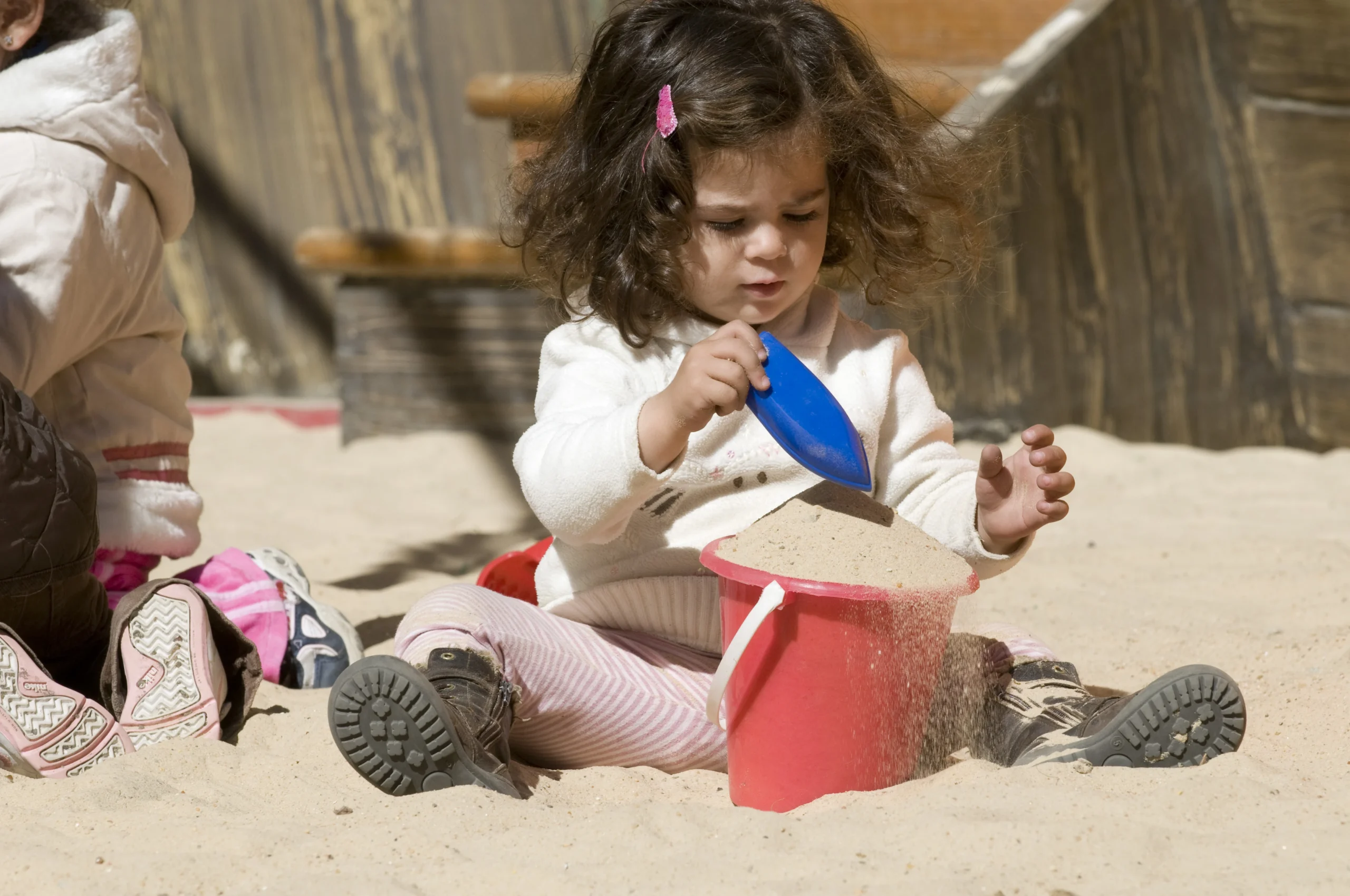
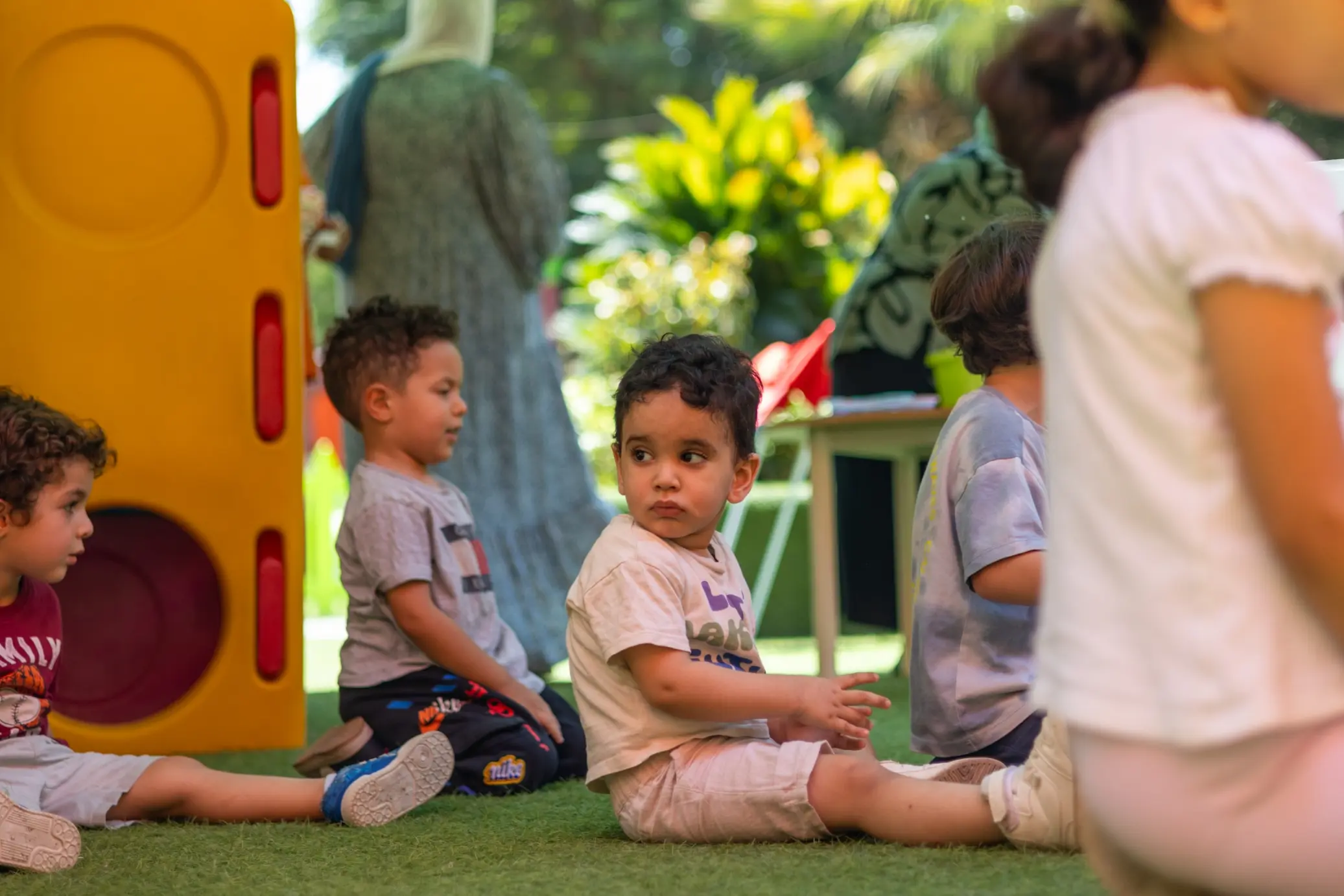
- Free Play (Unstructured Play):This is child-directed play where children choose what to do, how to do it, and with whom. In our classrooms, this might look like:
- Exploring the sensory bin.
- Building with blocks in the construction area.
- Dressing up and engaging in imaginative play in the home corner.
- Benefit:Fosters creativity, independence, decision-making, and intrinsic motivation.
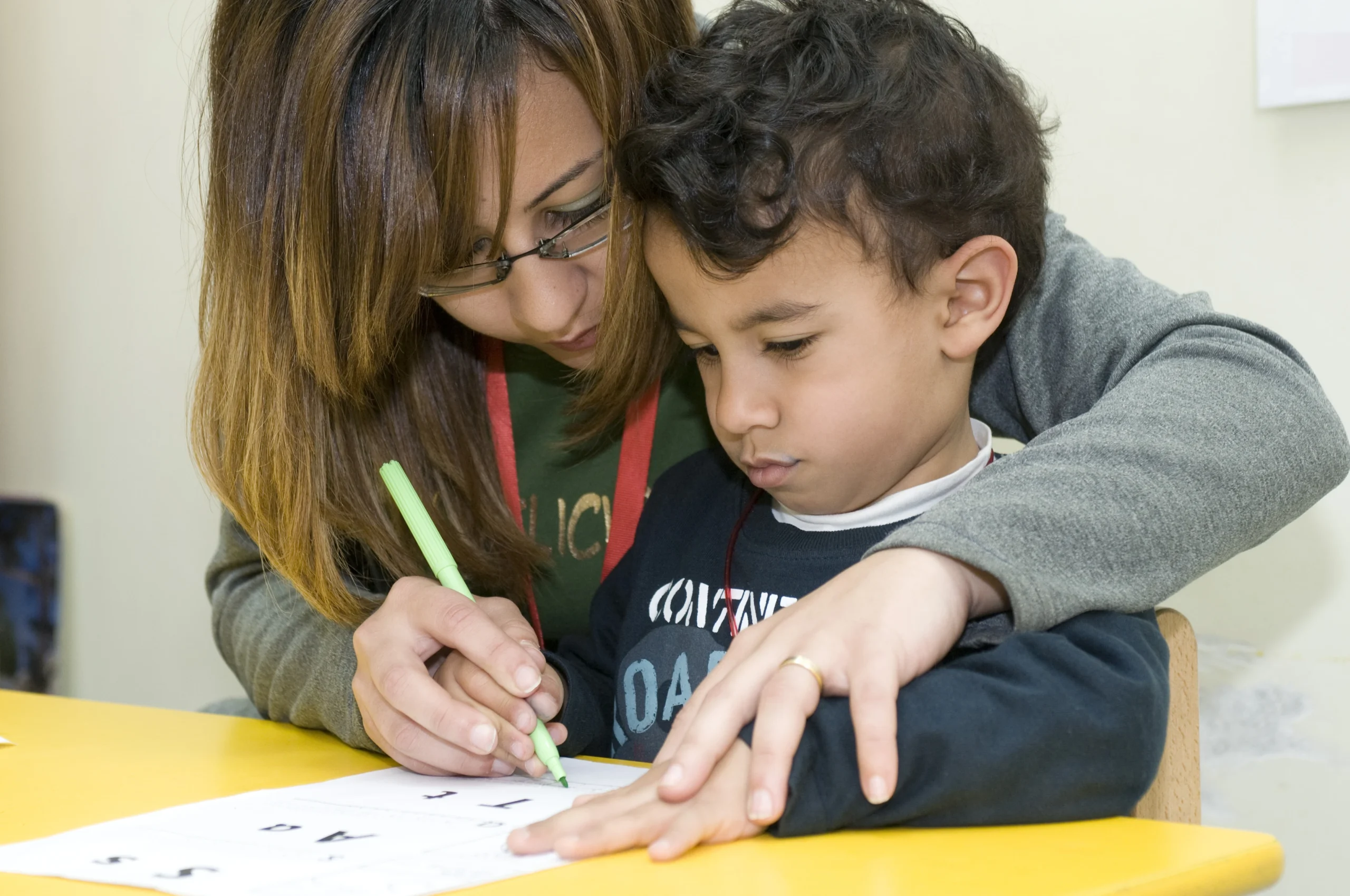
- Guided Play (Structured Play):This is play with a learning objective, gently facilitated by our educators. It sits perfectly between free play and direct instruction.
- Example: A teacher might set up a “grocery store” in the classroom, guiding children to count pretend money, identify fruits and vegetables, and practice polite communication.
- Benefit:Allows educators to introduce specific concepts (math, literacy, science) in a context that is meaningful and engaging for the child.
A Peek Into Our Play-Based Classrooms Across Cairo
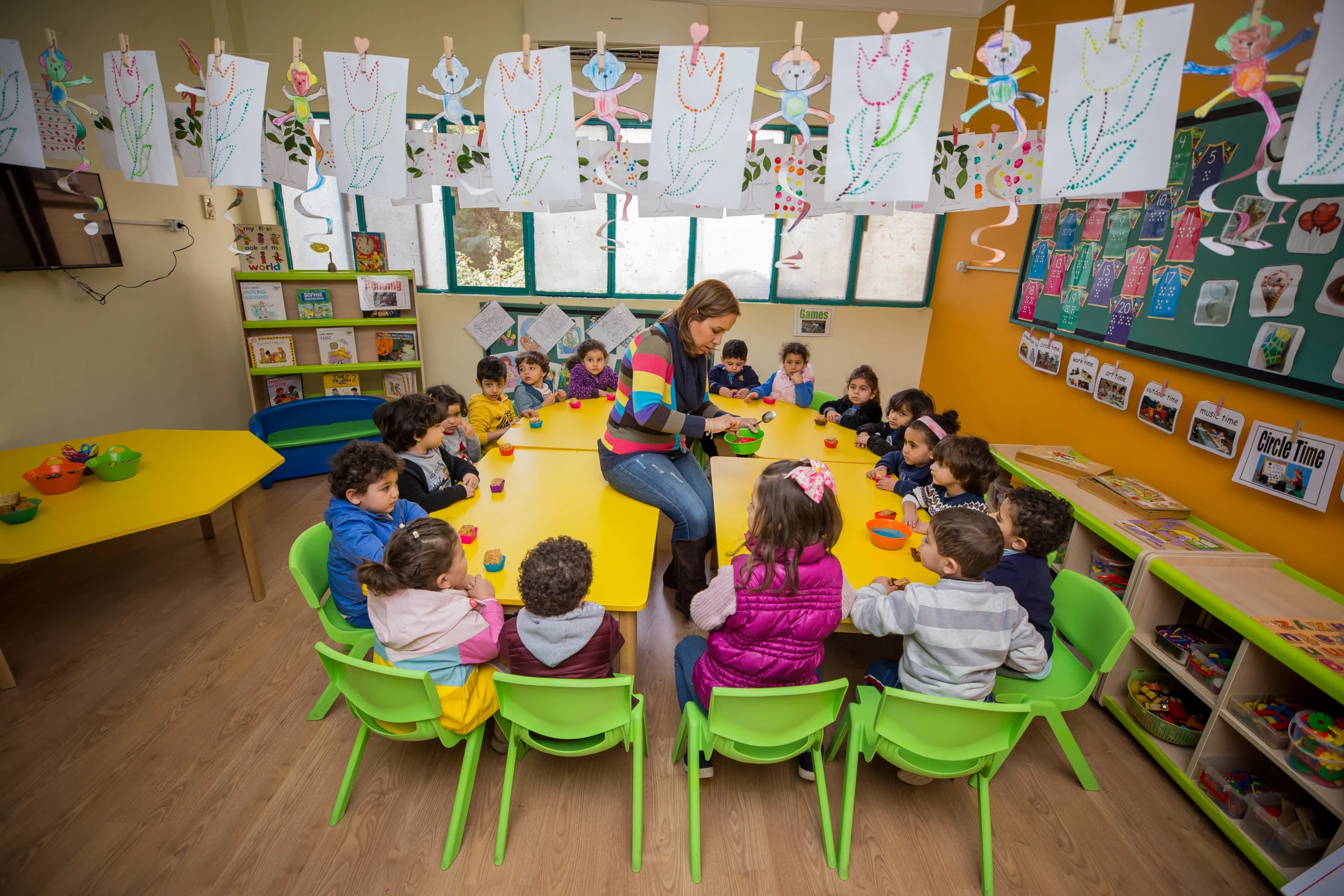
No matter which branch you visit—the vibrant community of Heliopolis or the modern facilities of New Cairo—you will see our play-based philosophy in action.
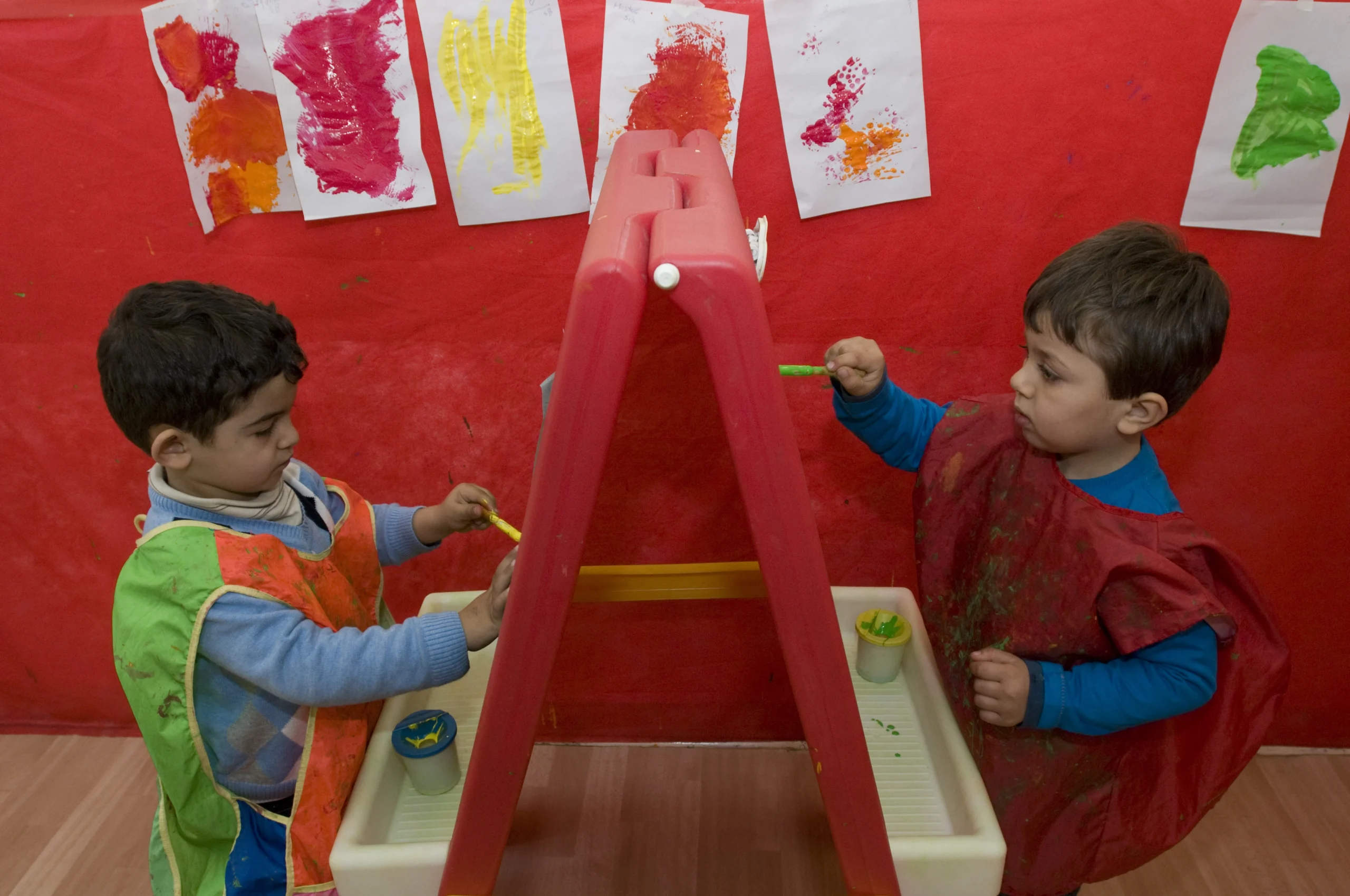
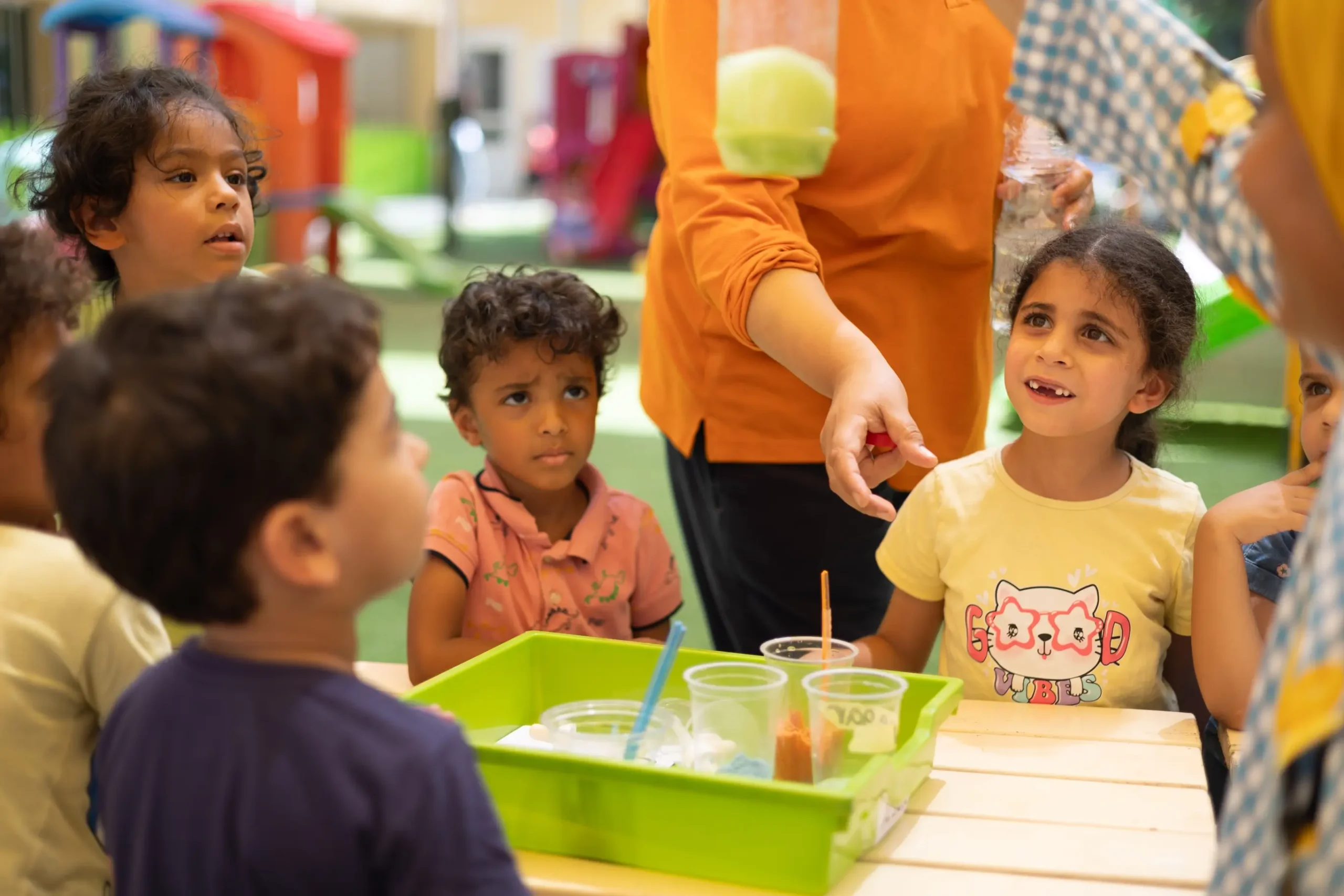
- Provocations and Invitations to Learn: Our teachers set up “invitations” that spark curiosity. A tray with interesting natural objects (pinecones, shells, leaves) and magnifying glasses is an invitation to explore scientific concepts. A table with different colored paints and unusual tools (sponges, string, cotton buds) is an invitation for artistic expression.
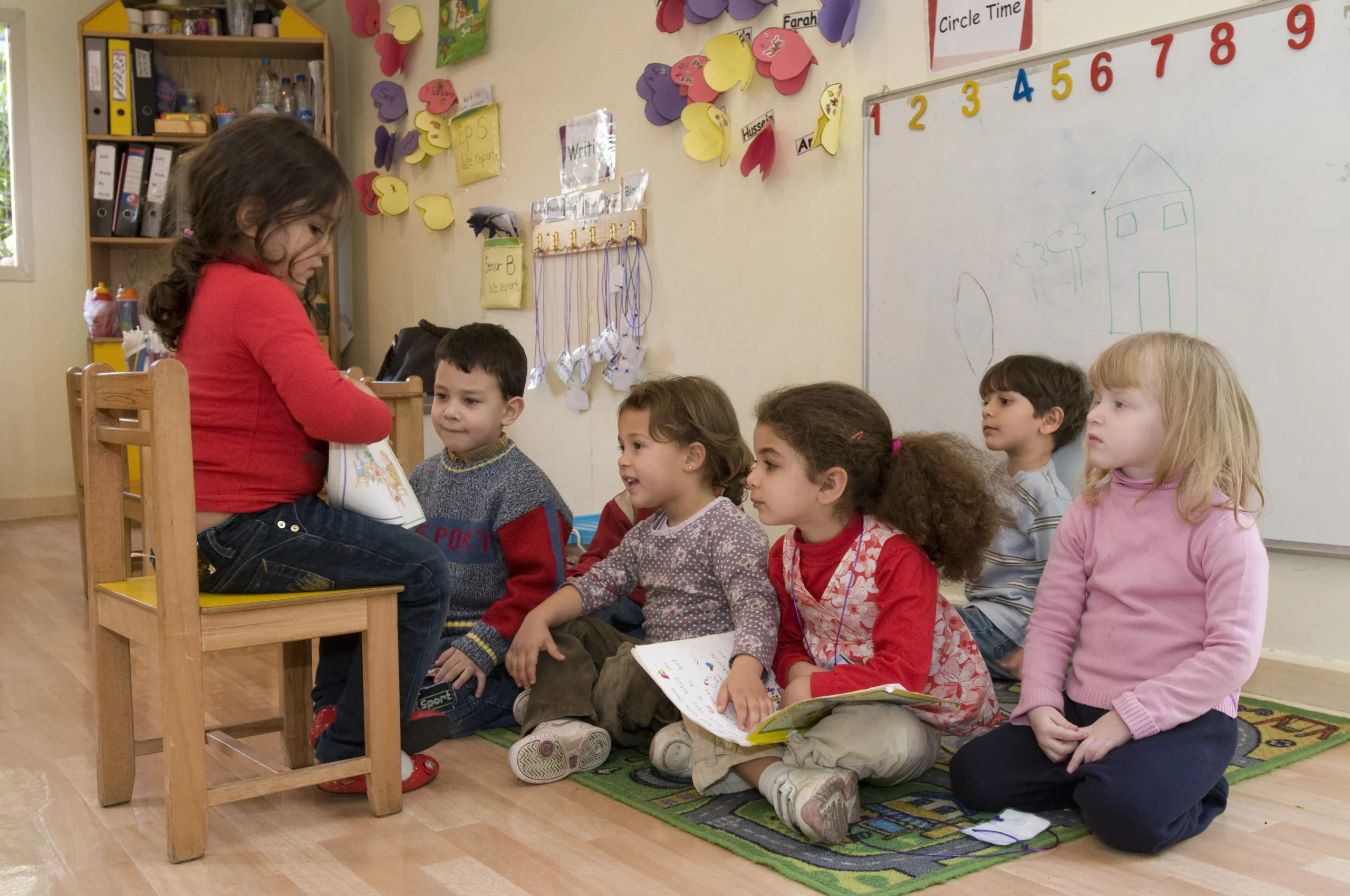
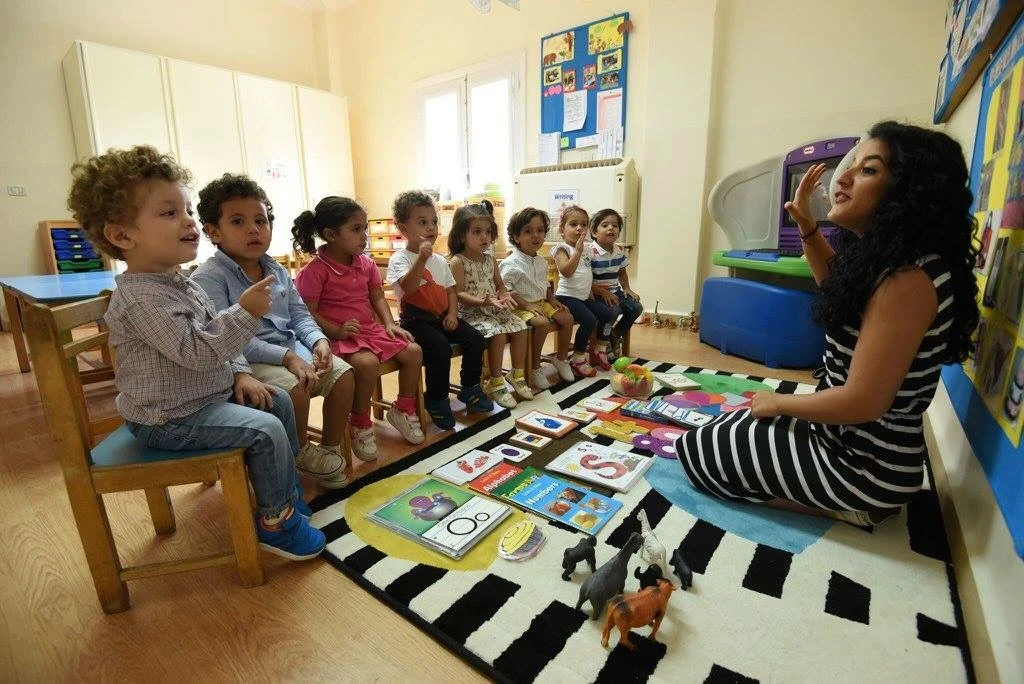
- The Role of the Educator: Our teachers are not passive observers. They are skilled facilitators who observe, ask open-ended questions (“What do you think will happen if…?”), and subtly extend the play to deepen the learning.
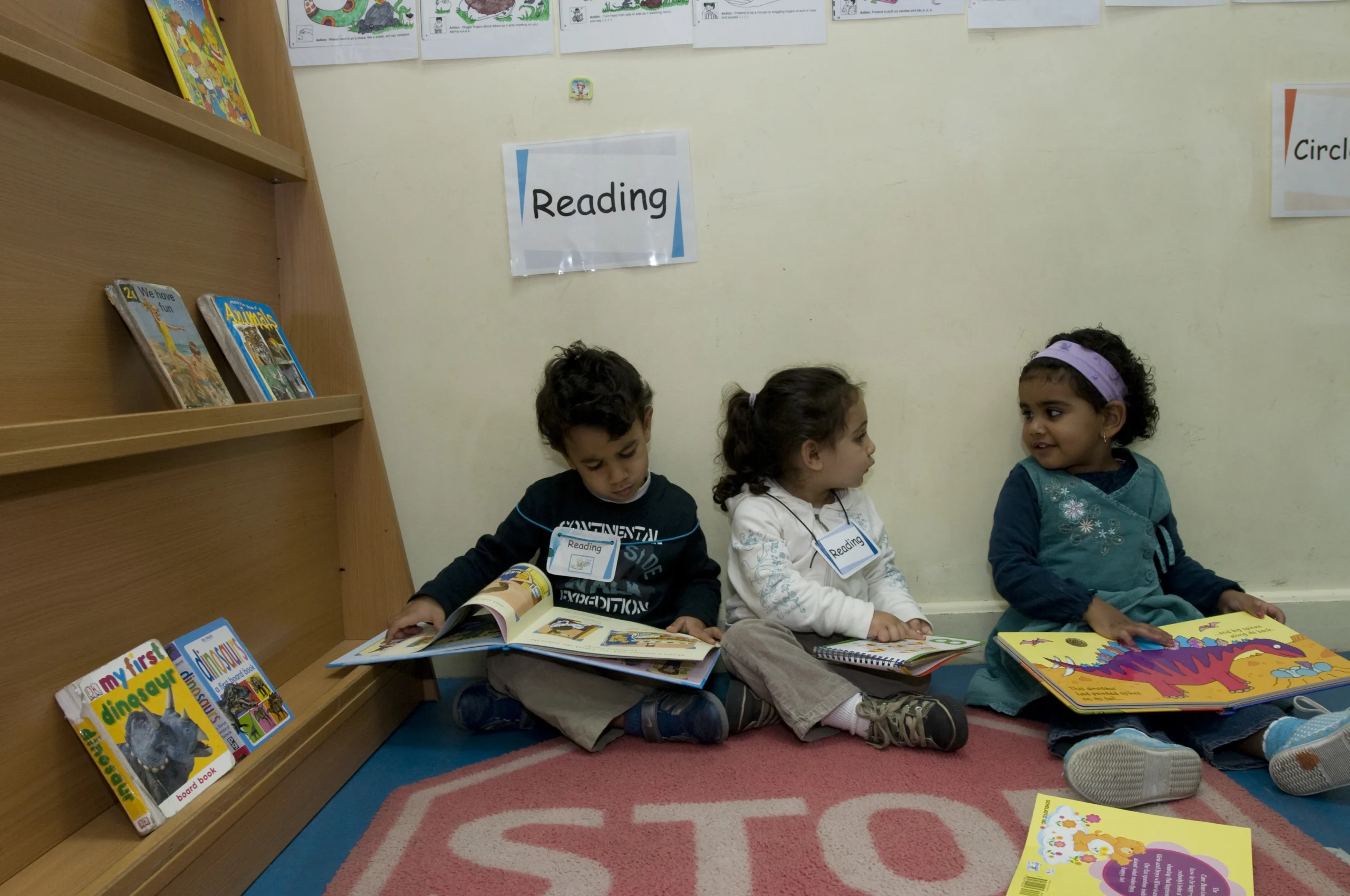
- Learning Through Play for School Readiness: For our preschoolers in Kattameya and Maadi Degla, play is directly linked to “big school” readiness. Playing a board game teaches turn-taking and counting. A project on “building a bridge” introduces basic engineering principles. Writing a menu for their restaurant practice emergent literacy skills.
Bringing Intentional Play Home: Tips for Cairo Parents
You don’t need a classroom full of resources to foster learning through play. Here’s how:
- Embrace “Boredom”: Allowing for unstructured time at home encourages children to use their imagination and create their own fun.
- Follow Their Lead: If your child is fascinated by cars, don’t just race them. Categorize them by color, count them, build a garage out of cardboard boxes. This shows them that their interests are valued.
- Use Everyday Moments: A trip to a local market in Zamalek or a walk along the Nile can be a play-based learning experience. Talk about the smells, colors, and sounds. Count the boats you see.
- Quality Over Quantity of Toys: Often, simple toys like blocks, dolls, and art supplies offer more open-ended play possibilities than single-function, electronic toys.
The Ultimate Foundation for Lifelong Learning
At The Baby Academy®, we are not just preparing children for the next grade; we are nurturing curious, creative, and confident lifelong learners. We believe that a childhood rich in purposeful play is the greatest gift we can give.
Discover the difference a play-based curriculum can make. Visit The Baby Academy® branch in Mohandesein, Maadi, New Cairo, or Heliopolis and see for yourself how we turn play into profound learning every single day.

Related Posts