









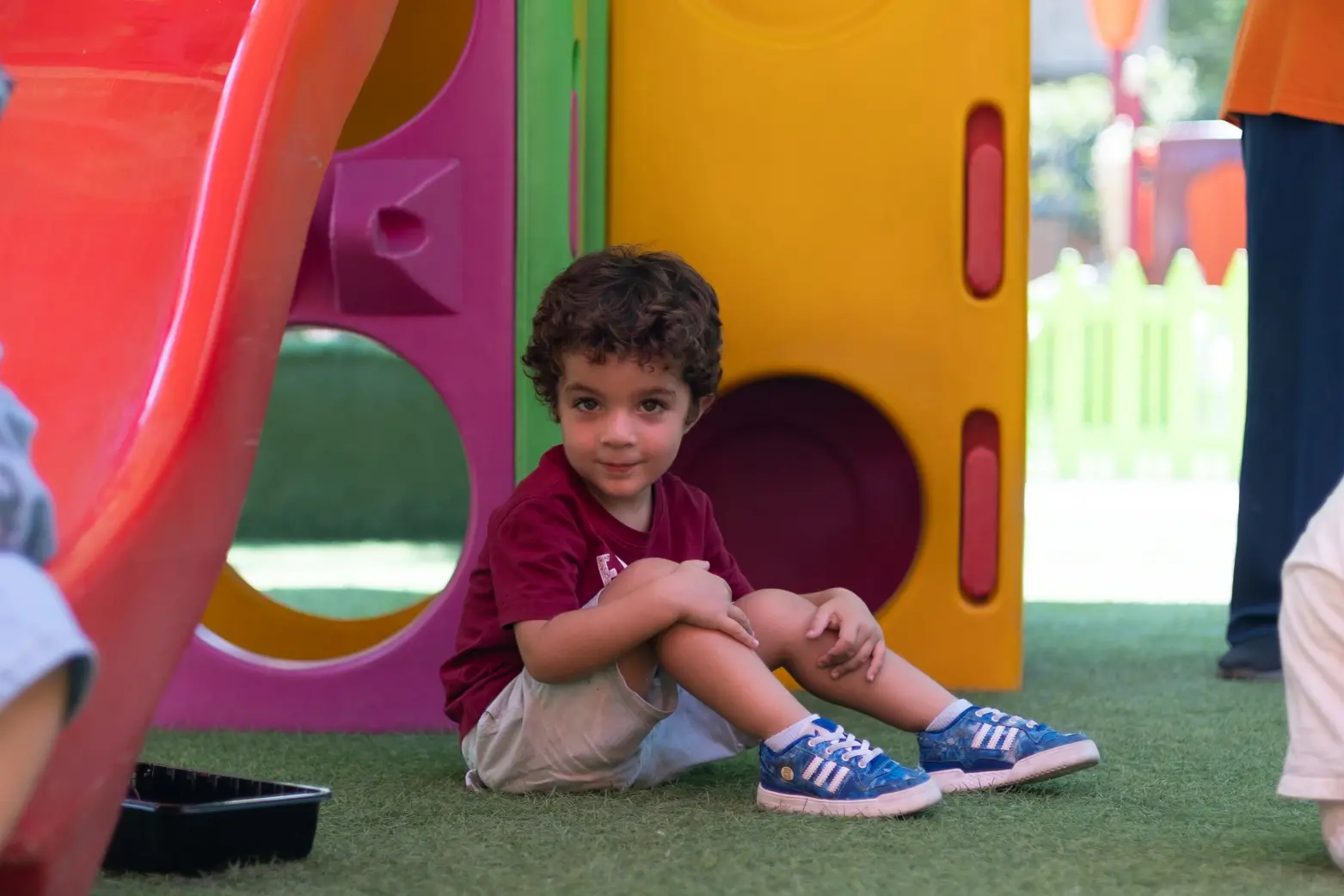
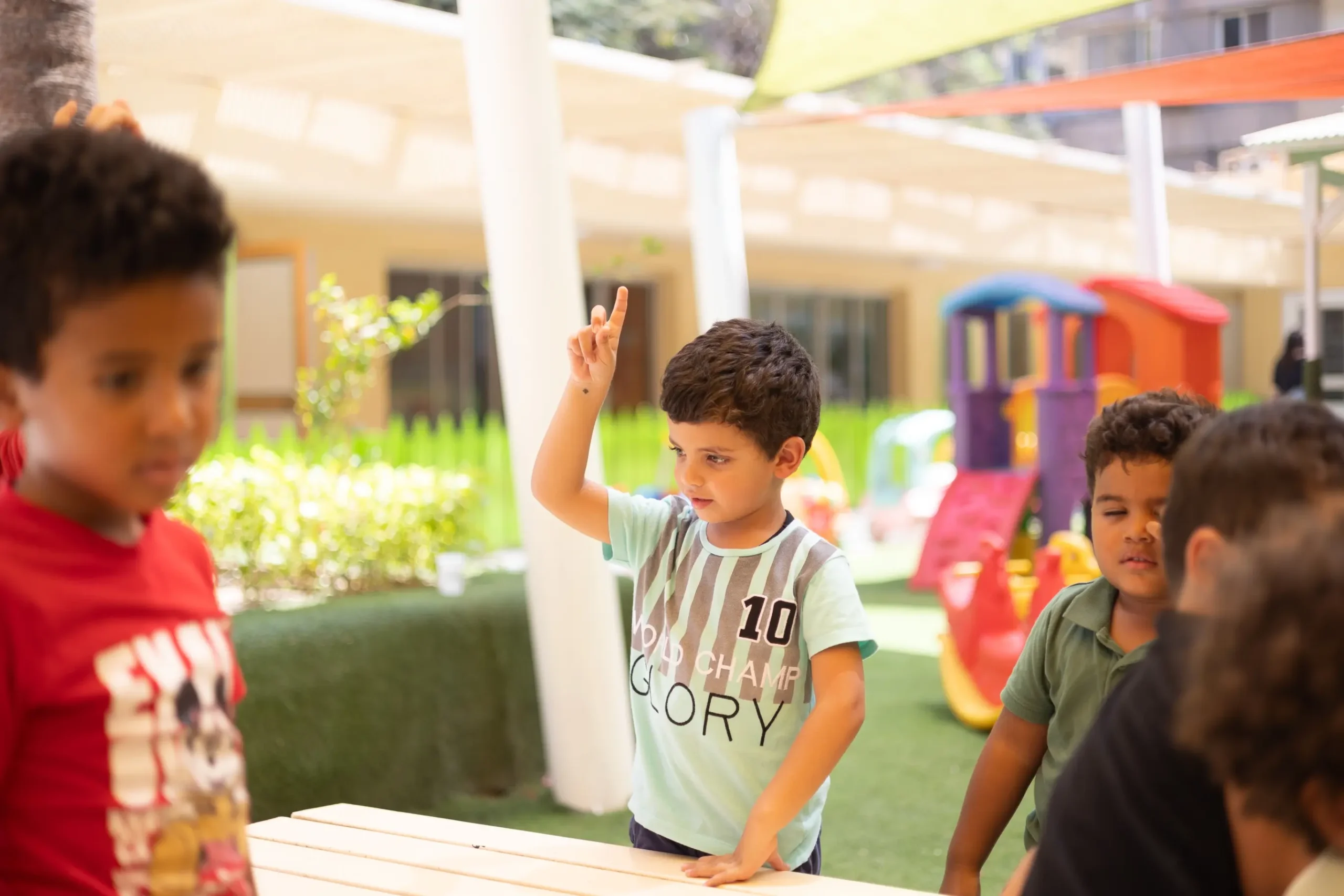

A child’s healthy development is measured not only by their academic or physical milestones but by the strength of their emotional foundation. Emotional well-being—the ability to understand, express, and manage feelings—is the cornerstone of happiness, healthy relationships, and future success. At The Baby Academy®, with campuses in Heliopolis, New Cairo, Maadi Degla, and Mohandesein, we believe that nurturing hearts is just as important as nurturing minds. This article explores the core components of emotional well-being and how we create a safe, supportive environment where every child’s feelings are valued.
Understanding the Building Blocks of Emotional Health
A child with strong emotional well-being is not a child who is always happy. Rather, it is a child who has the tools to navigate the entire spectrum of human emotions. We focus on three key areas:
- Identifying & Understanding Feelings:Before children can manage their emotions, they must first be able to name them. This moves a feeling from an overwhelming, abstract sensation to something concrete that can be understood.
- Self-Regulation:This is the ability to manage powerful emotions like frustration, excitement, anger, and sadness in healthy ways. It’s what helps a toddler wait for a turn or a preschooler use their words instead of hitting when they’re upset.
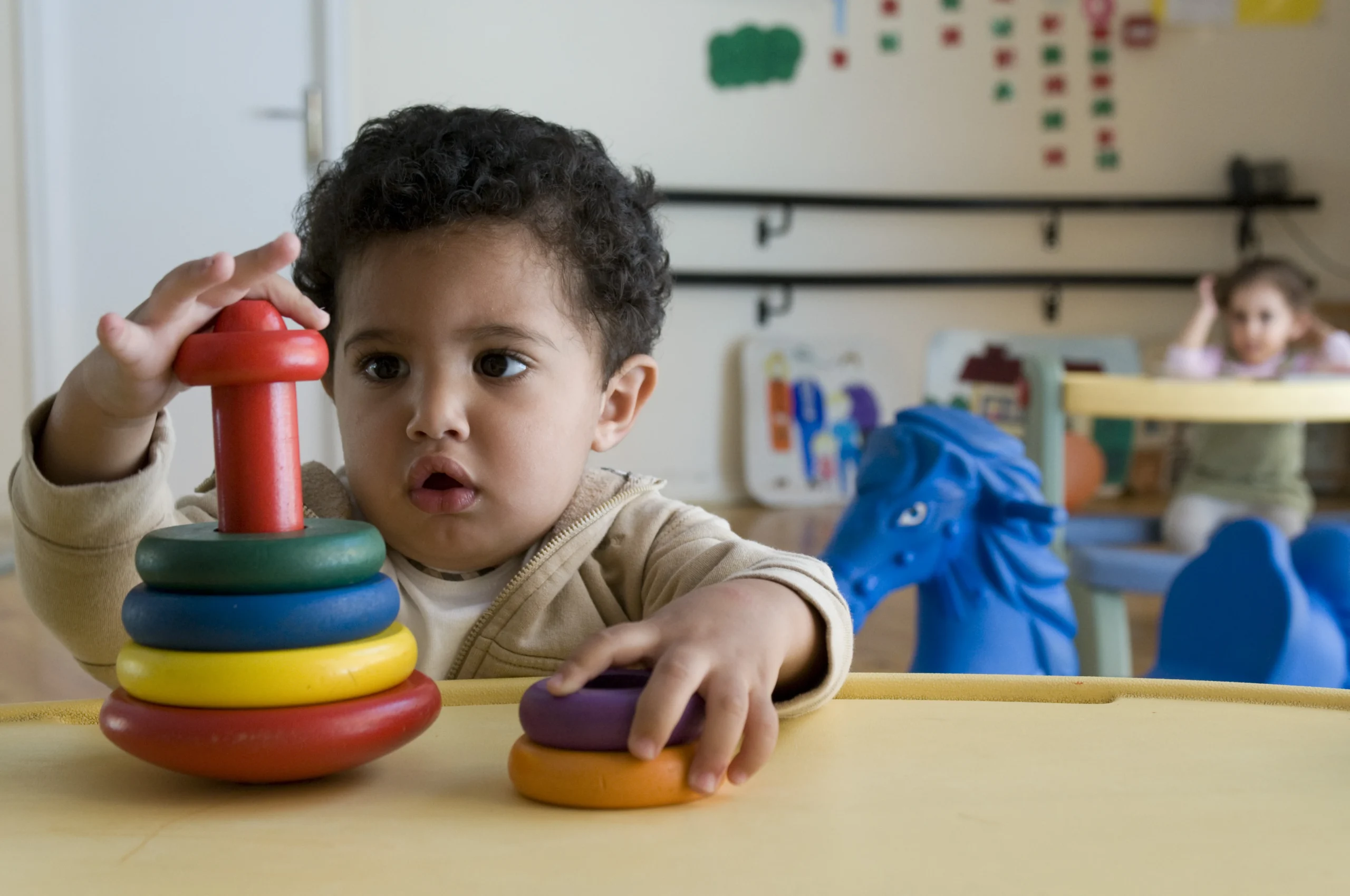
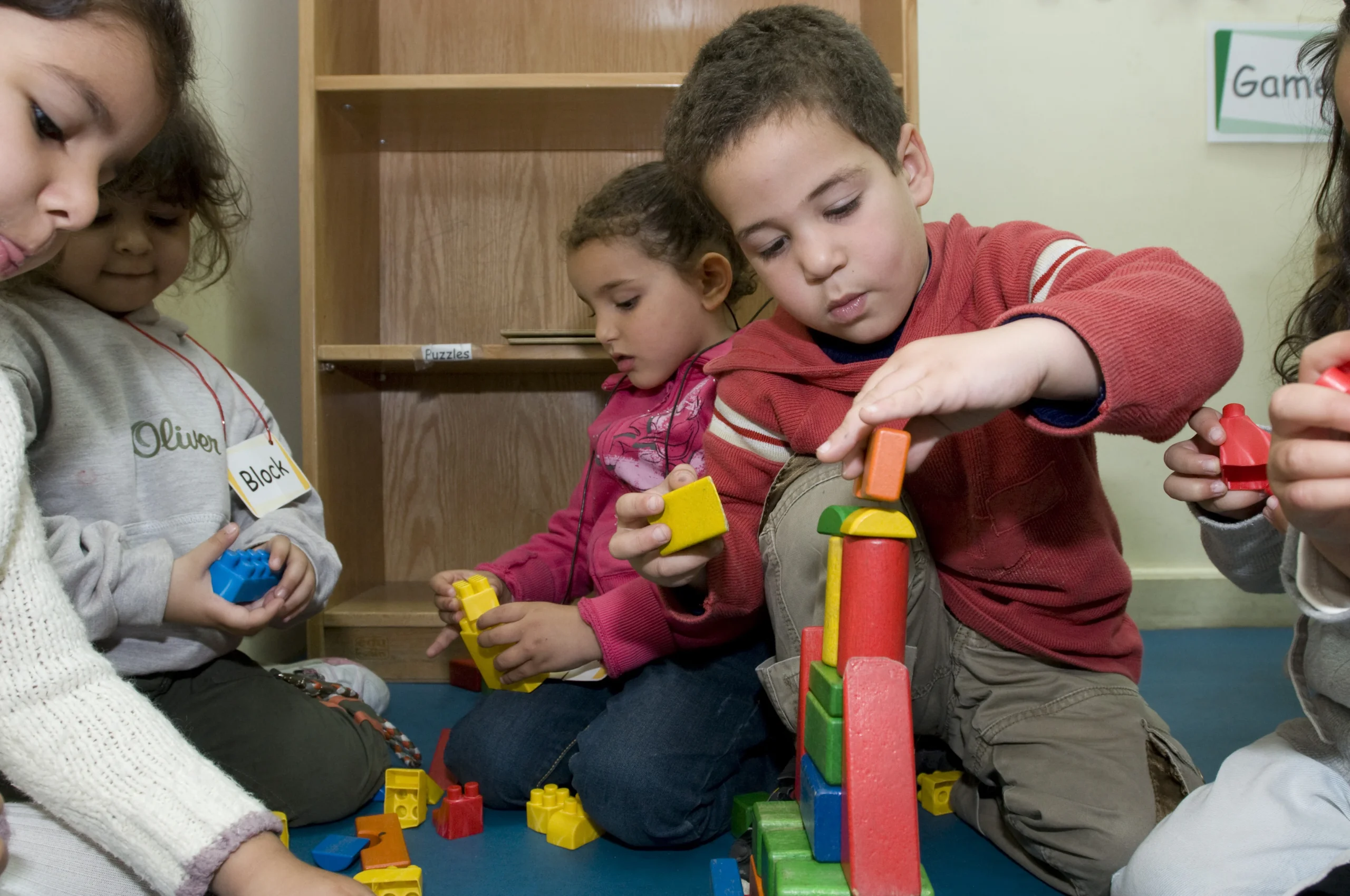
- Resilience:Resilience is the “bounce-back” factor. It’s the capacity to cope with challenges, adapt to change, and try again after a setback. It’s what allows a child to rebuild a knocked-over block tower without a meltdown.
The Baby Academy®’s Emotionally Intelligent Environment
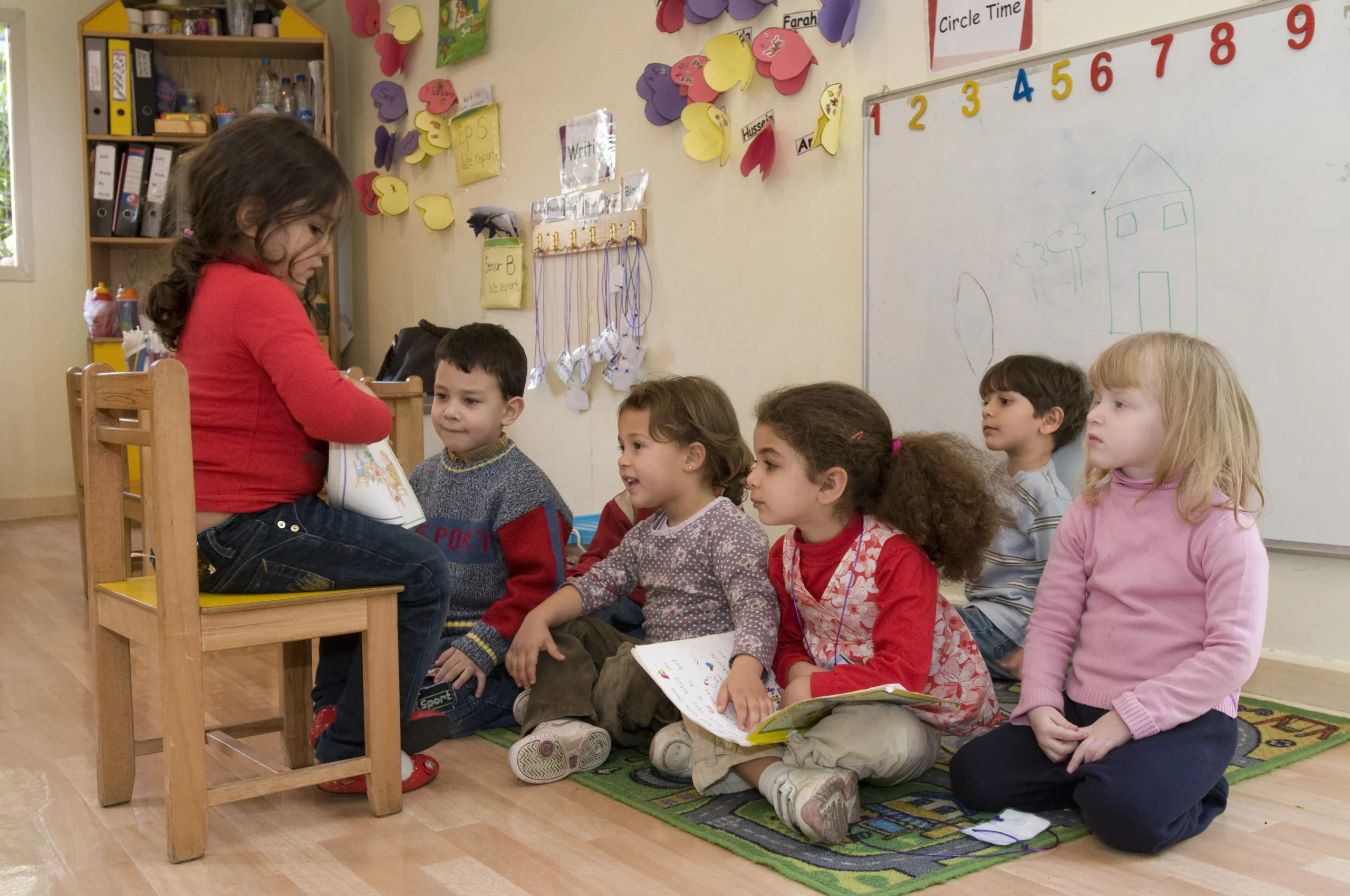
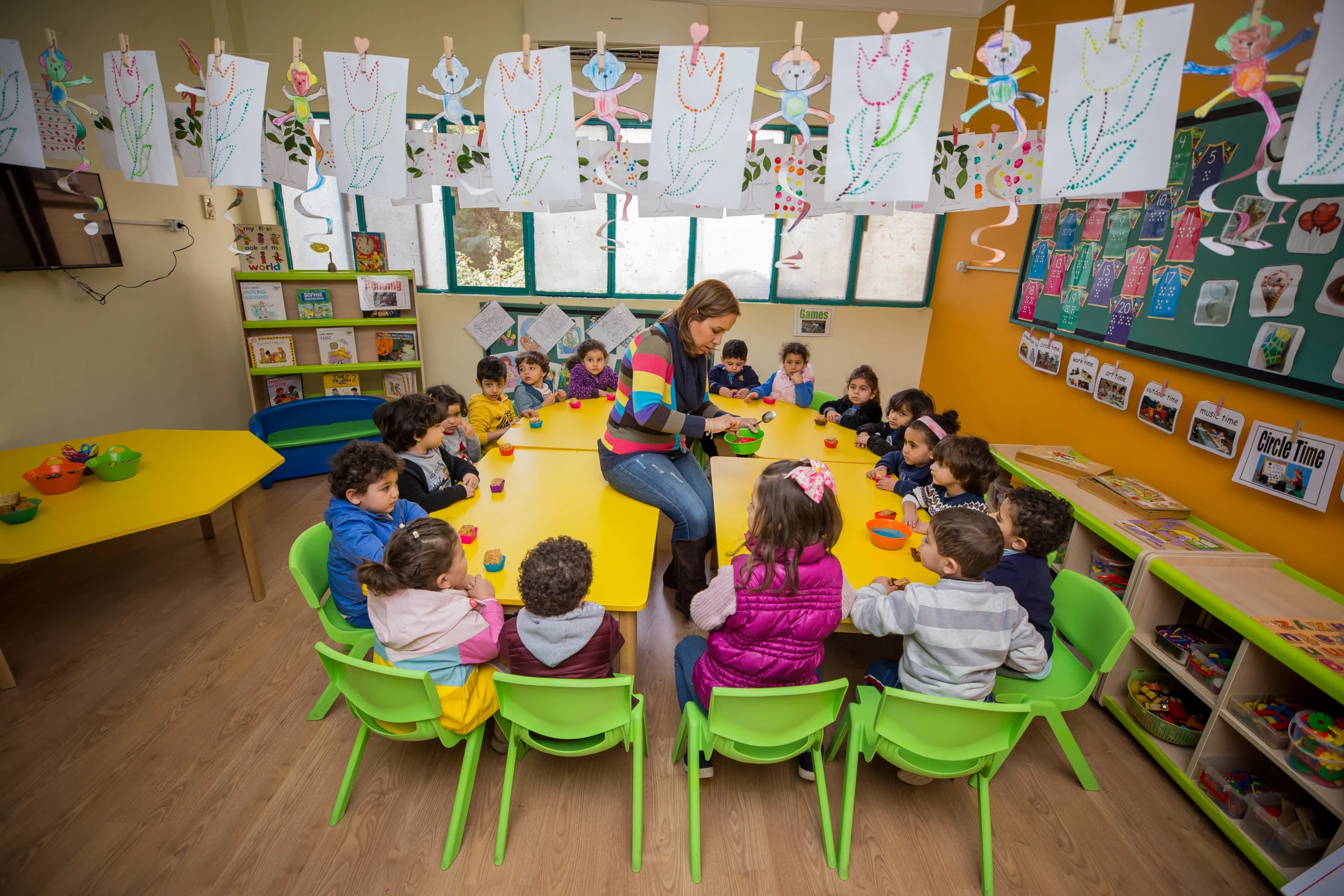
Our nurseries are designed to be emotional sanctuaries where children feel seen, heard, and supported.
- Creating a “Feeling-Vocabulary”:
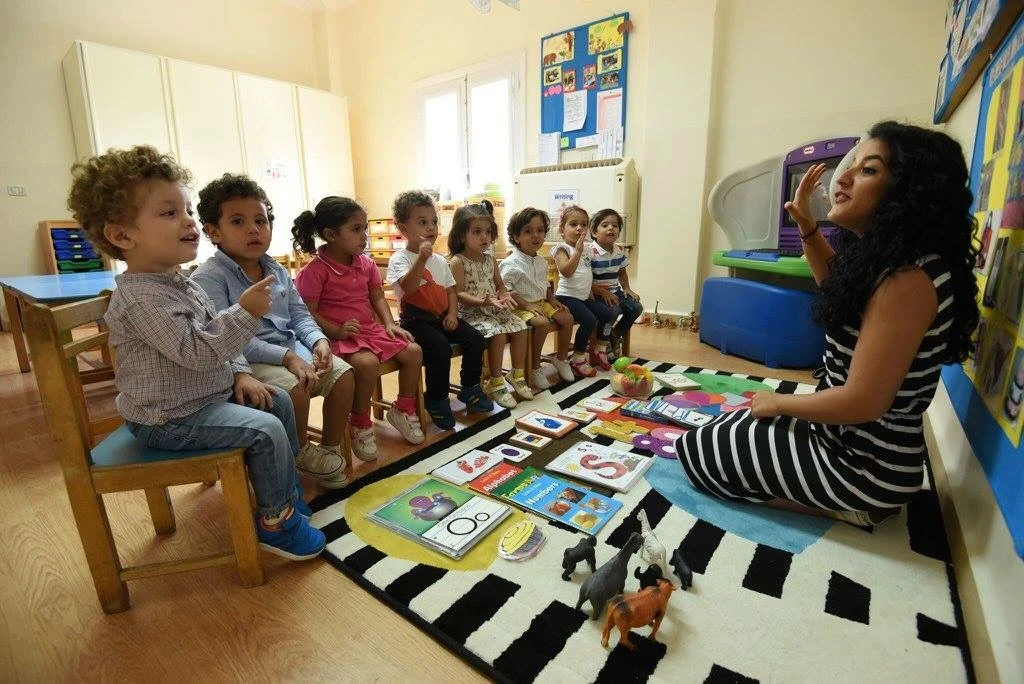
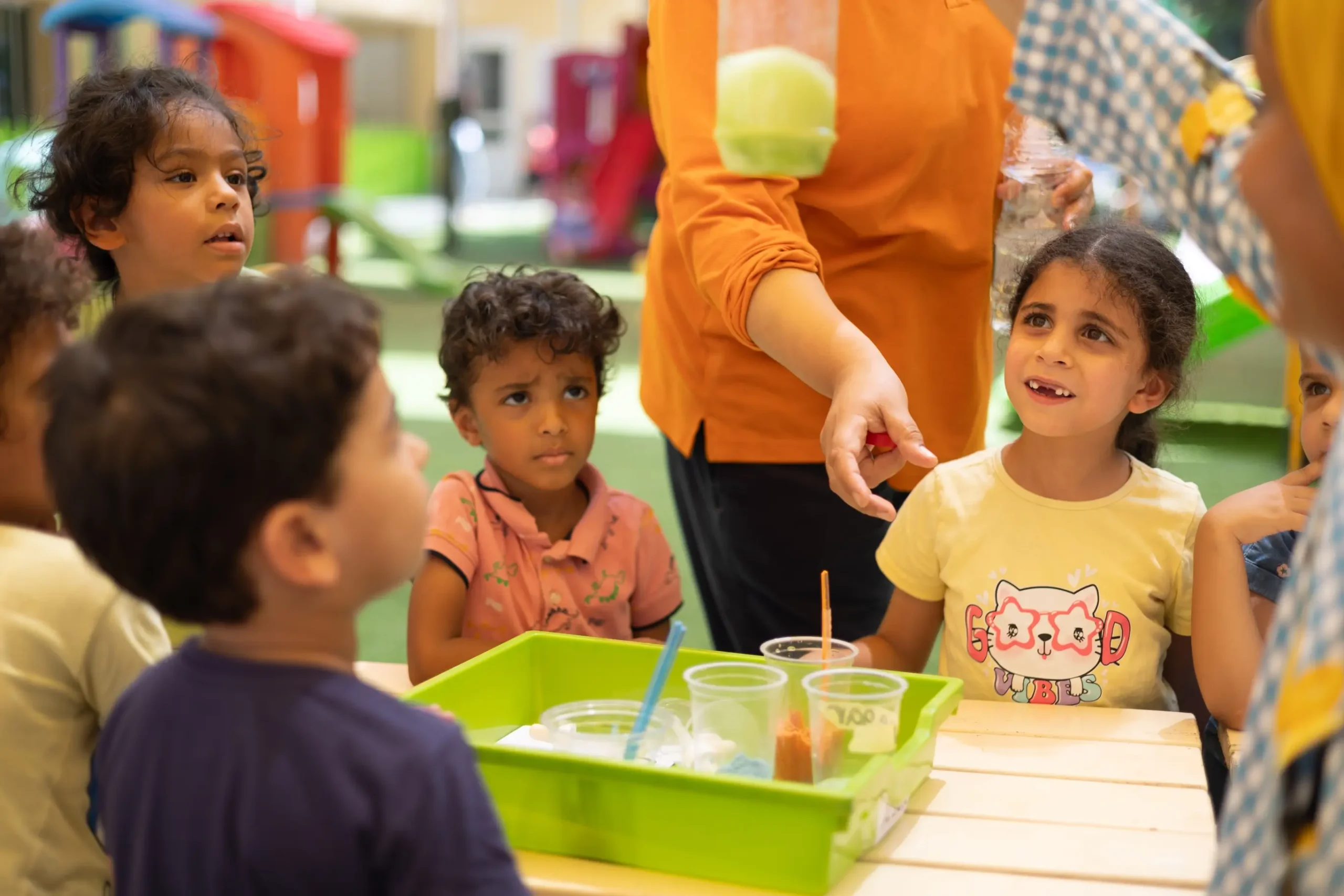
- Emotion-Rich Language: Our teachers constantly narrate emotions. “I see you are smiling, you look so happy with your painting!” or “It looks like you’re feeling frustrated because that piece won’t fit. That can be hard.”
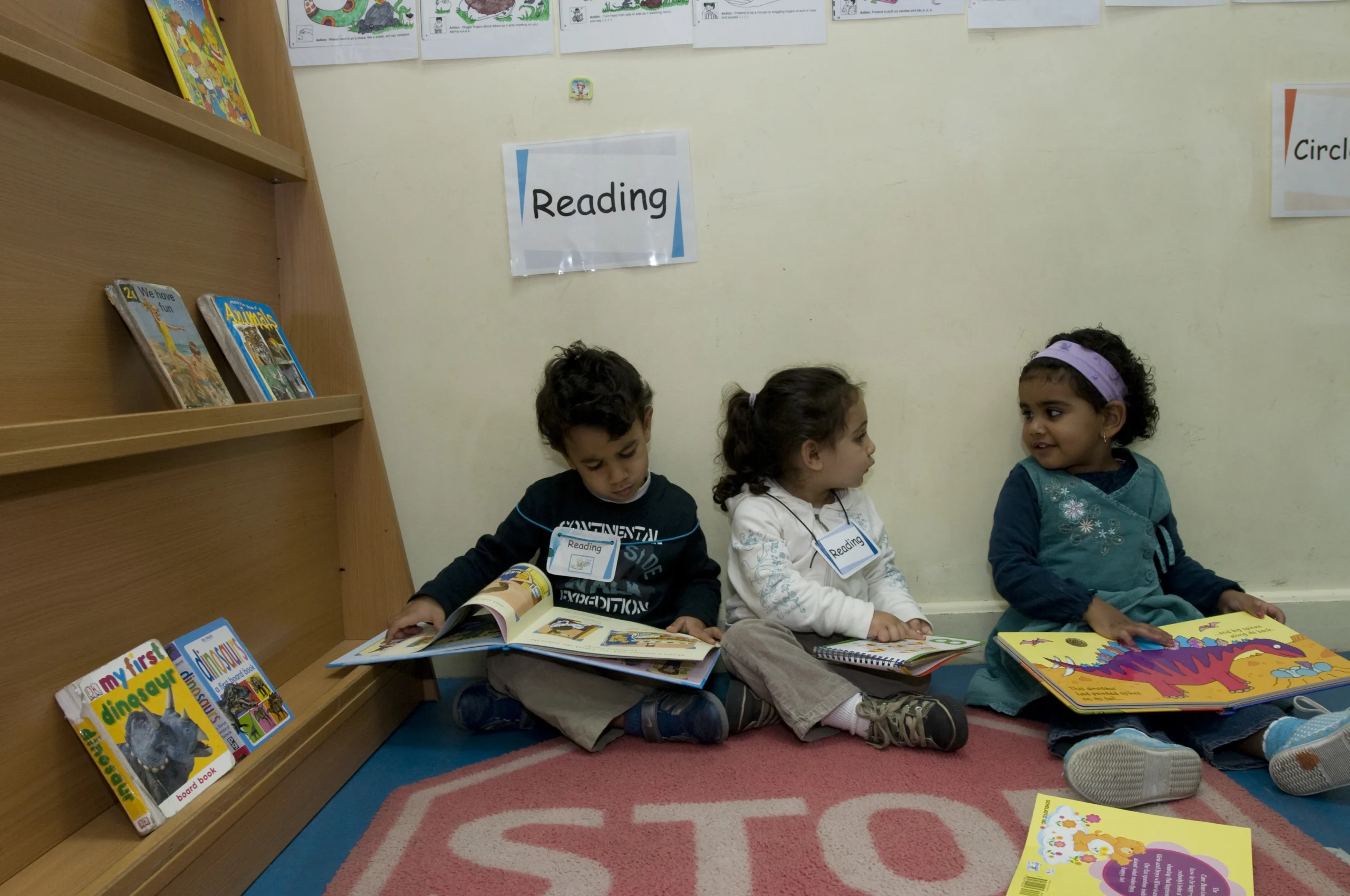
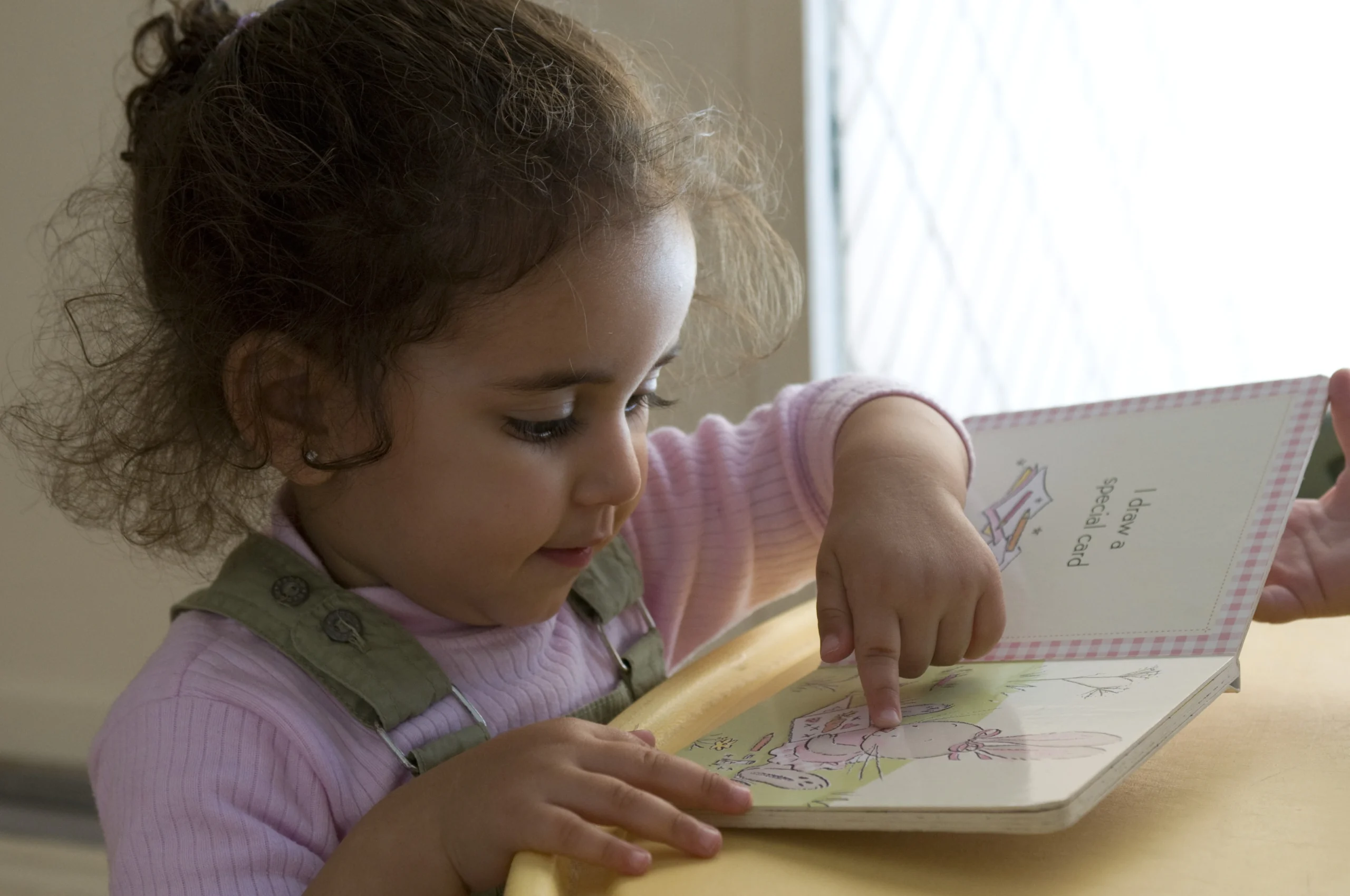
- Books & Stories: We carefully select books that explore a wide range of feelings. Reading about a character who feels scared or jealous helps children understand and normalize their own emotions.
- Feeling Faces Charts: We use visual aids with pictures of children expressing different emotions, giving young children a non-verbal tool to point to how they feel.
- Teaching Tools for Self-Regulation:
- The Calm-Down Corner: Every classroom has a cozy, quiet space filled with soft pillows, sensory bottles, and quiet toys. This is not a “time-out” but a “time-in”—a place a child can choose to go to when they feel big emotions rising, to calm their body and mind.
- Breathing Techniques: We teach simple, child-friendly breathing exercises like “Bunny Breaths” (short, quick sniffs) or “Flower Breaths” (smelling a flower, then blowing out a candle) to help children regain control when upset.
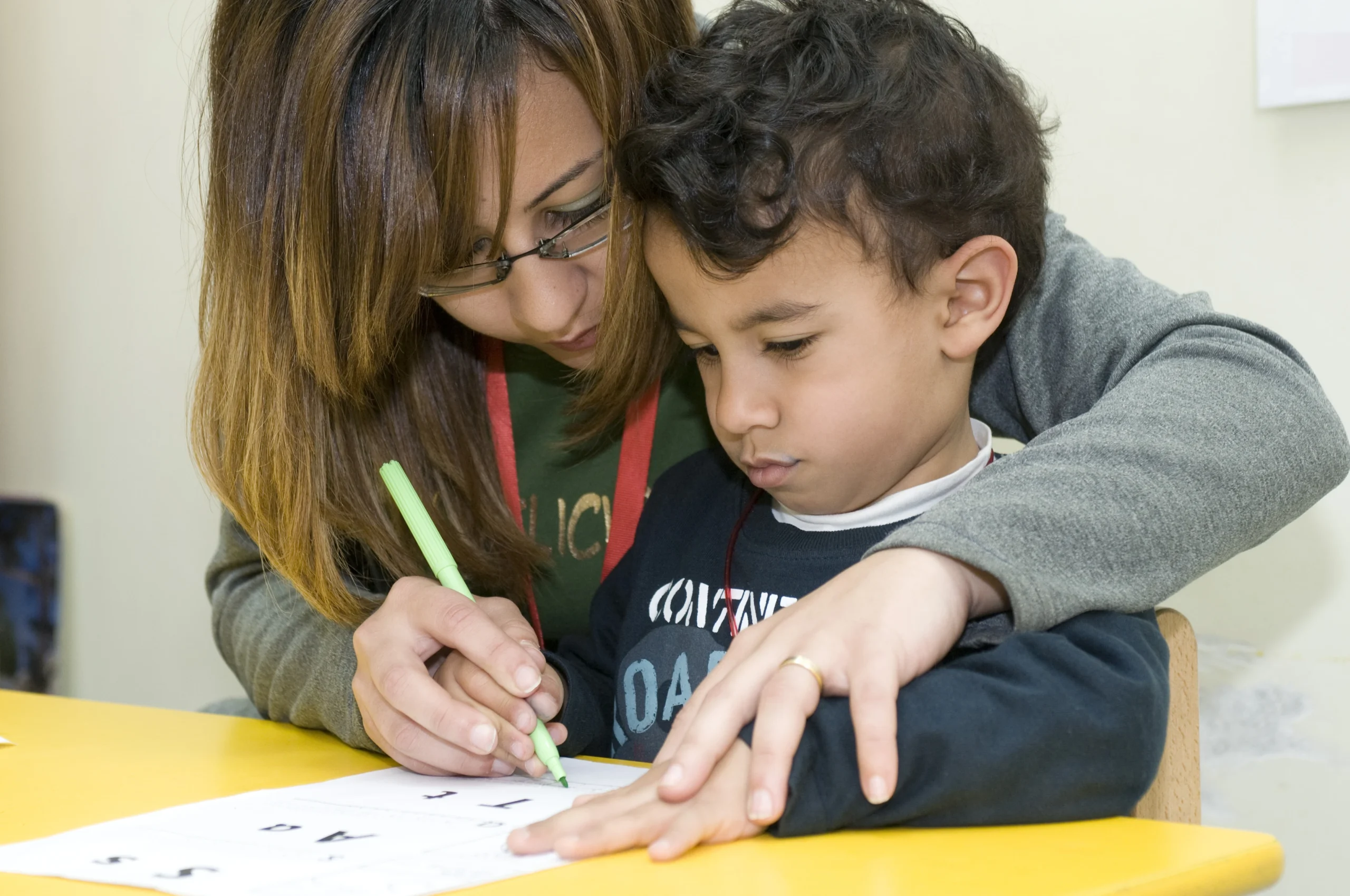
- Modeling Behavior: Our educators are masters of “emotion coaching.” When a conflict arises, they calmly help children navigate their feelings, label them, and find a solution, demonstrating regulation in action.
- Building Resilience Through Challenge:
- The Power of “Yet”: We foster a growth mindset by using the word “yet.” “You can’t tie your shoes yet.” This simple word implies that learning is a process and that effort leads to improvement.
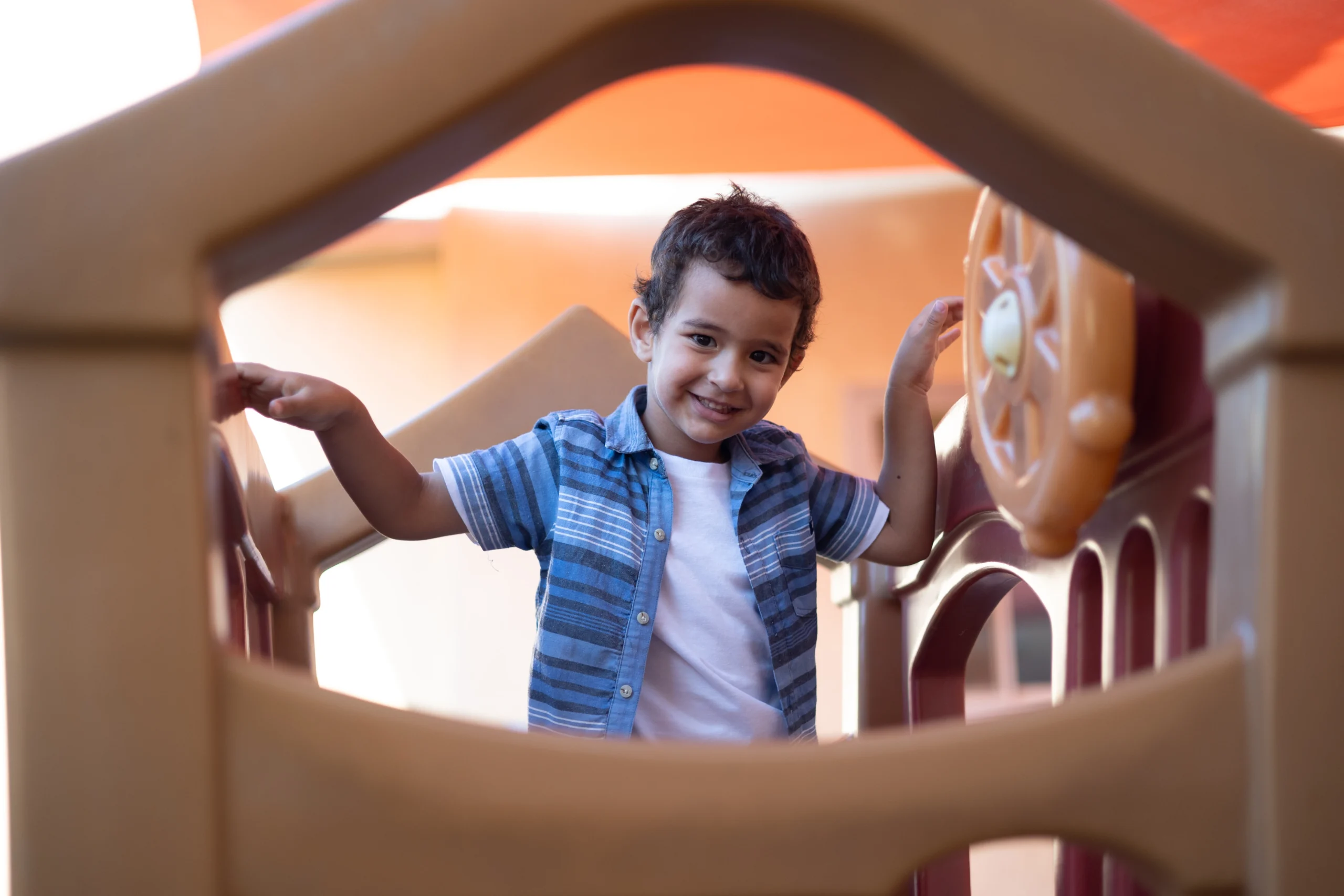
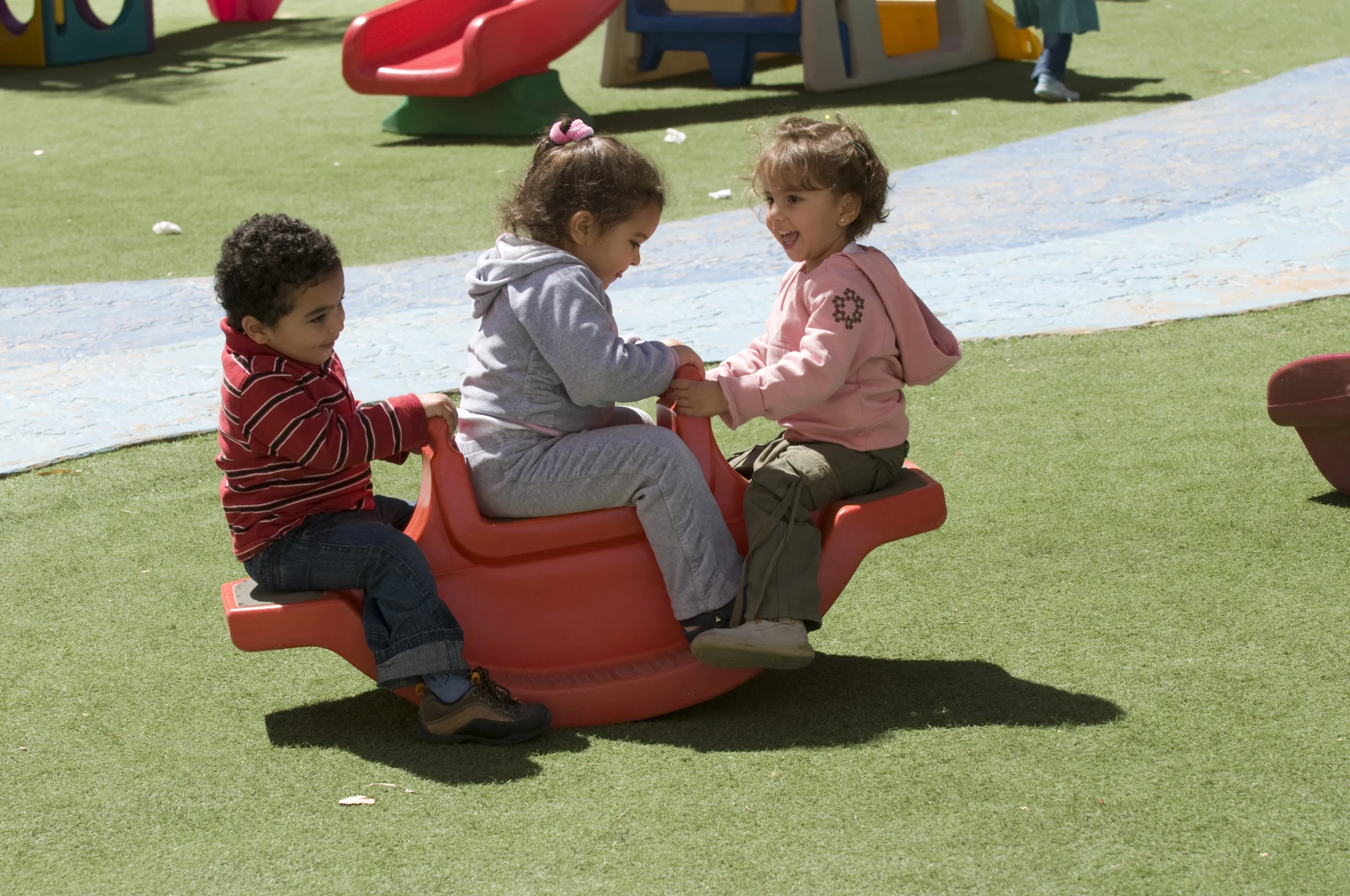
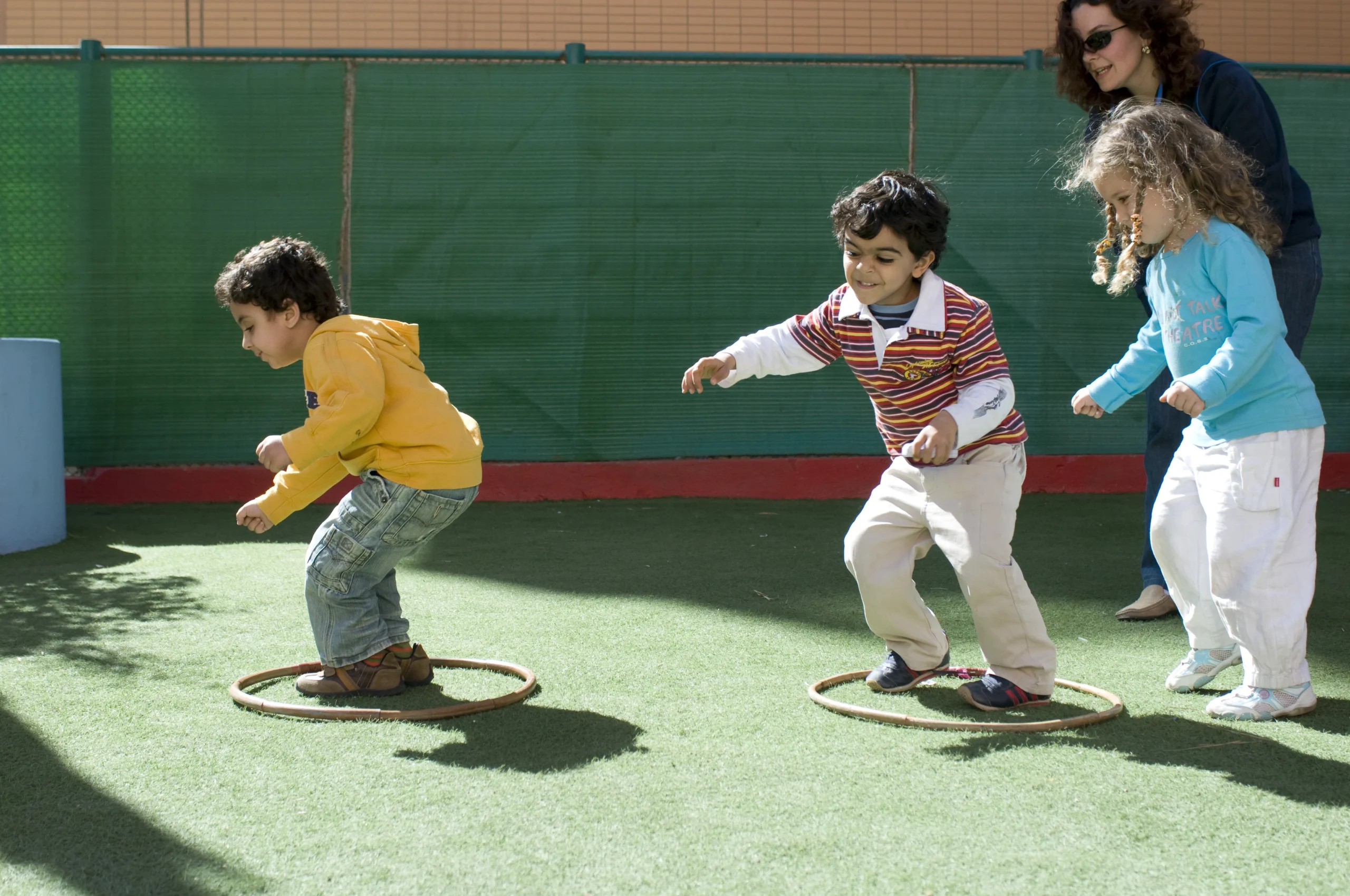
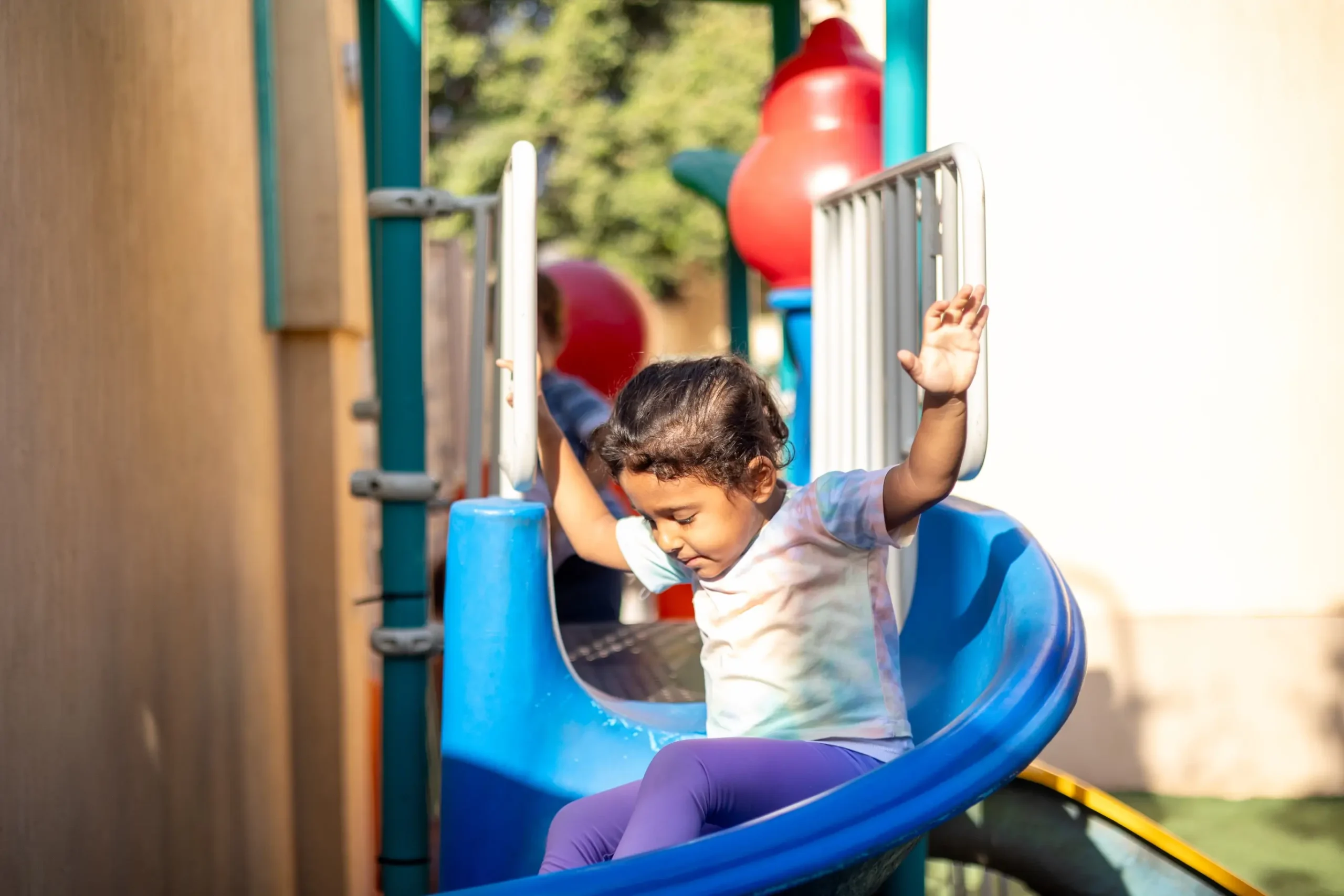
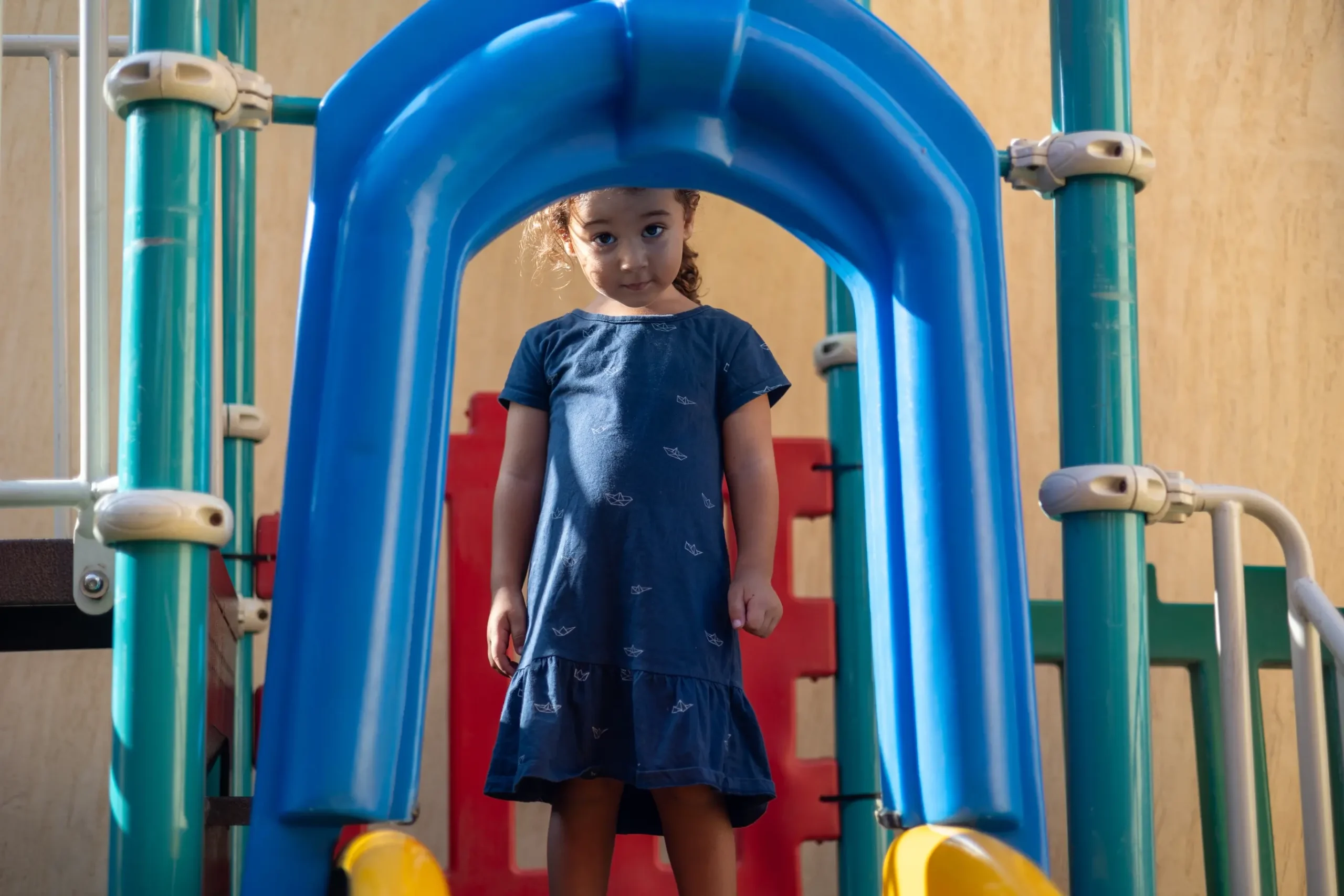
- Risk-Taking in Play: Our safe but challenging play structures allow children to assess risks, experience minor failures in a controlled setting, and build confidence in their physical abilities.
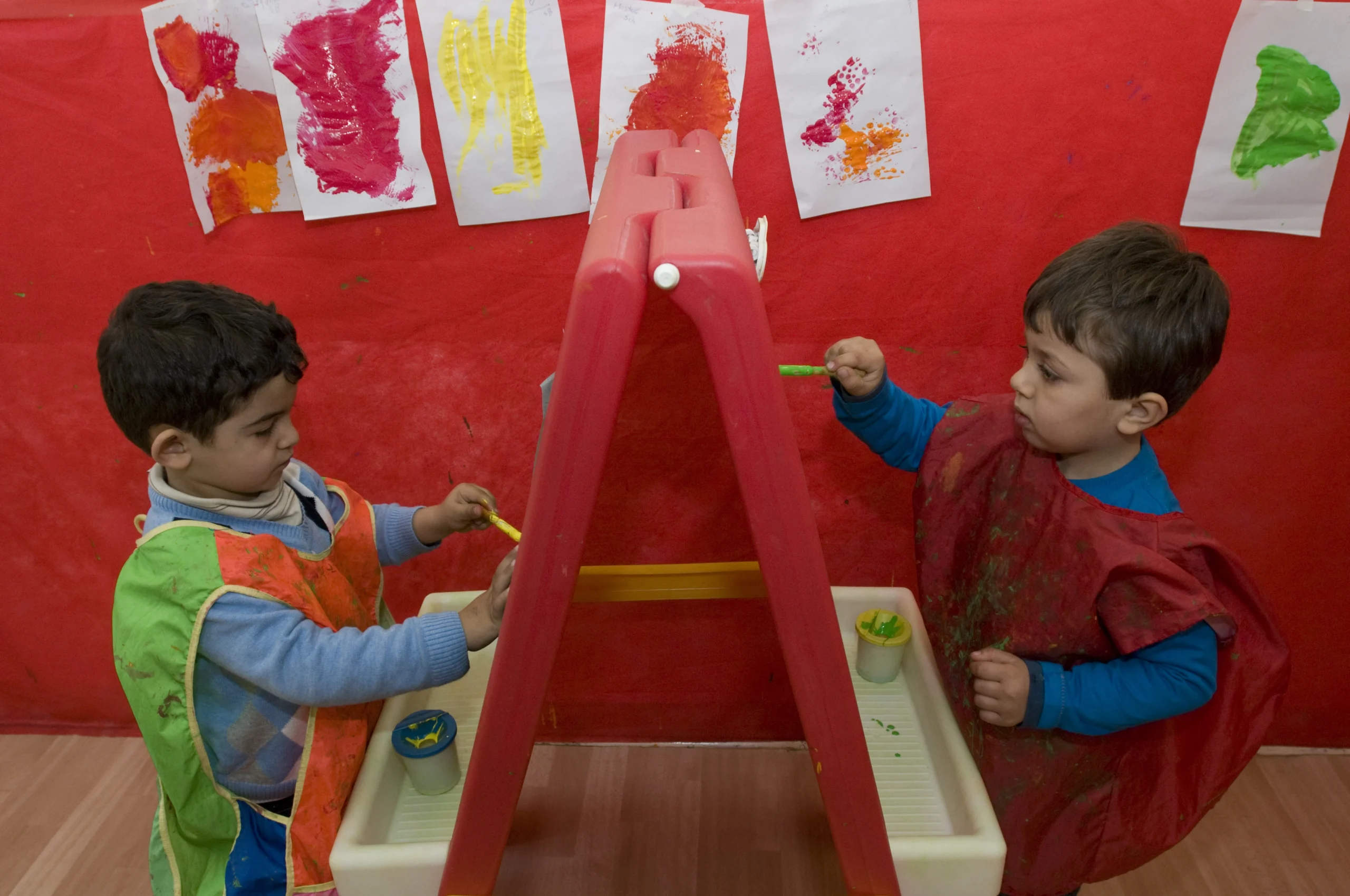
- Process Over Product: In our art and building activities, we praise the effort, strategy, and perseverance, not just the final result. This teaches children that the journey is valuable, even if the outcome isn’t perfect.
Supporting Your Child’s Emotional Well-being at Home
You are your child’s primary emotional guide. Here are ways to extend this learning at home in Cairo:
- Validate All Feelings: Let your child know that all feelings are okay, even if the behavior is not. “I can see you are very angry. It’s okay to be angry, but it’s not okay to hit. Let’s find another way to show your anger.”
- Be a Mirror: Reflect their feelings back to them. “You are jumping up and down! You must be so excited to go to the park.” This helps them connect physical sensations with emotional labels.
- Establish Predictable Routines: Consistent morning and bedtime routines in the hustle of Cairo life provide a sense of security and control, which greatly reduces anxiety in young children.
- Share Your Own Feelings: Model emotional intelligence by talking about your own feelings in an age-appropriate way. “I’m feeling a little stressed because of the traffic, so I’m going to take a deep breath.”
A Partnership for a Happy, Healthy Heart
At The Baby Academy®, we see emotional well-being as the essential soil in which all other learning grows. A child who feels safe, understood, and resilient is a child who is ready to explore, connect, and learn.
If you are looking for a nursery in Maadi, Heliopolis, Mohandesein, or New Cairo that values your child’s heart as much as their mind, we invite you to visit The Baby Academy®. See our nurturing environments and meet our compassionate team to learn how we partner with families to raise happy, resilient kids.

Related Posts